
A cylindrical printer for cosmetic bottles is a useful machine category for shops that serve skincare brands, haircare companies, supplement sellers, boutique packaging studios, private-label labs, and product startups. Cosmetic packaging needs more than a printed logo. It needs accurate alignment, readable ingredients or product names, consistent wrap position, rich color, white ink on dark or transparent packaging, and a repeatable method for bottles, tubes, jars, caps, and sample containers.
This article explains how direct cylindrical UV printing fits cosmetic packaging, where it beats labels or transfers, how to prepare artwork, what fixtures matter, how to quote small runs, and which internal pages buyers should compare. It supports the main cylindrical printer, cylinder UV printer, 360 rotary UV printer, and UV printer pages with a focused, commercial long-tail topic.
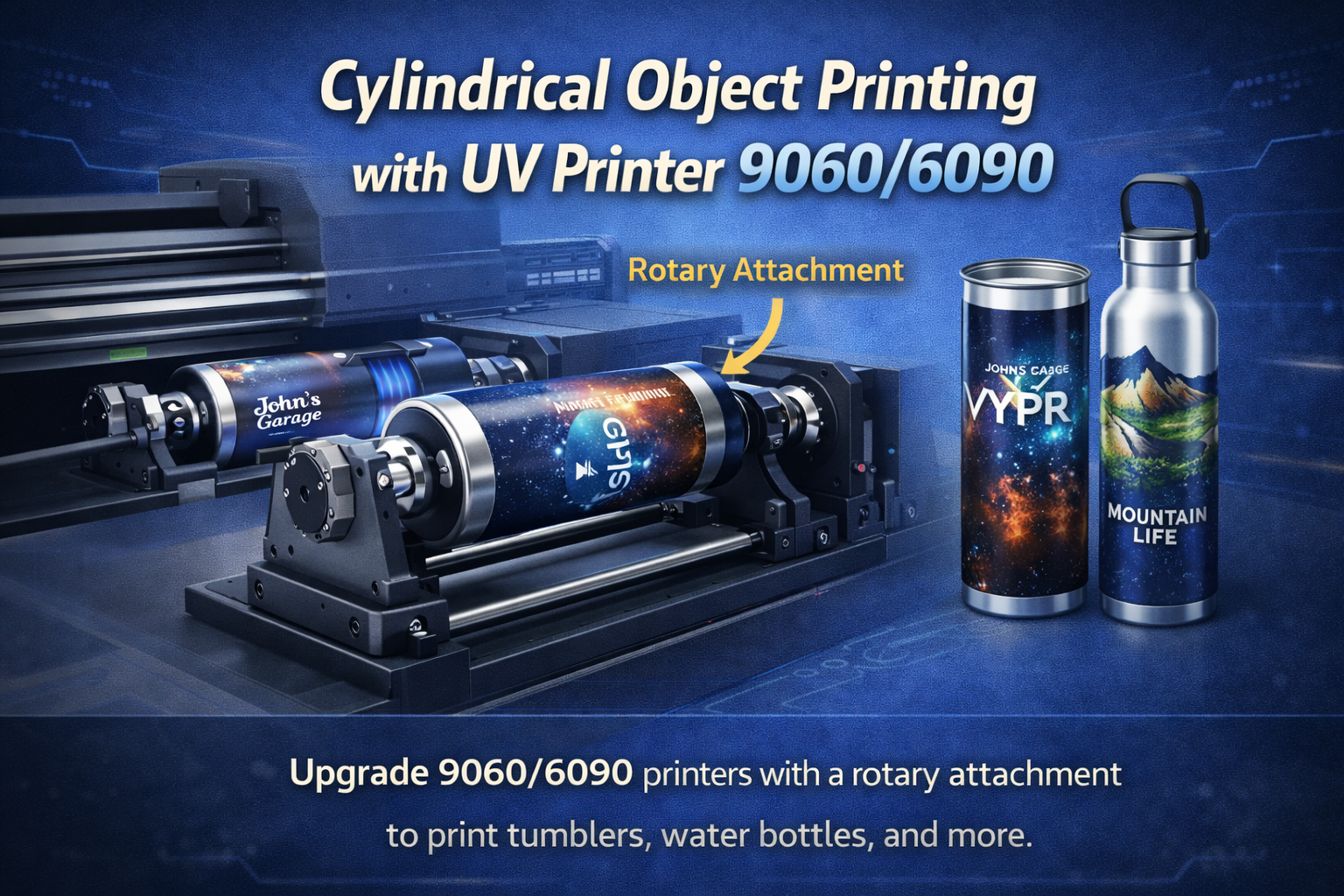
Why Cosmetic Bottles Are a Good Cylindrical Printing Niche
Cosmetic brands are visual, seasonal, and product-line driven. One brand may need 30 samples for a product launch, 100 bottles for a photo shoot, 300 units for a boutique order, and a revised design after testing. Labels can work, but some brands want a direct-printed finish with no label edge. Screen printing and pad printing can work for volume, but setup becomes less attractive when every scent, size, or formula changes.
A cylindrical UV workflow is especially useful for short-run premium packaging. It allows full-color decoration on rigid bottles and tubes, fast design changes, and direct printing on curved surfaces. For a shop, this creates a product menu that can include sample bottles, private-label packaging, boutique skincare containers, event packaging, and small-batch cosmetic launches.
Best Cosmetic Products to Print
- Serum bottles, dropper bottles, and small glass cosmetic containers.
- Lotion bottles, shampoo bottles, conditioner bottles, and haircare packaging.
- Lip balm tubes, mascara-style tubes, sample tubes, and travel containers.
- Candle jars, cream jars, lids, caps, and rigid cosmetic boxes.
- Perfume sample bottles and promotional packaging for launch kits.
- Private-label product lines with frequent artwork or formula changes.
This product menu also links naturally to broader applications content because cosmetic packaging is a clear buyer-intent use case for UV printing.
Direct Cylindrical Printing vs Labels and UV DTF Transfers
| Method | Best Use | Main Limitation |
|---|---|---|
| Direct cylindrical UV printing | Premium short runs, direct-to-container decoration, repeat packaging batches | Requires fixtures and surface testing for each container style. |
| Paper or film label | Lower-cost packaging, large standardized label zones, compliance labels | Visible label edge and less premium appearance on some containers. |
| UV DTF transfer | Hard-surface decals, mixed small batches, products that are hard to fixture | Compare with UV DTF transfers for glass cups and cosmetic bottles. |
| Screen printing | Large stable production runs with simple colors | Setup is less flexible for small changing cosmetic lines. |
| Pad printing | Small logos on irregular curves | Not ideal for larger full-color packaging graphics. |
The right method depends on order size, surface shape, brand look, and durability expectation. A cylindrical printer is strongest when the brand wants a direct-printed finish, small-to-medium batch flexibility, and repeatable graphics on round containers.
Container Materials and Surface Prep
Cosmetic packaging may use glass, PET, acrylic, PP, PE, aluminum, coated plastic, or painted metal. Those materials do not all behave the same. A bottle that accepts UV ink well in one finish may fail in another finish because of coating, mold release residue, silicone contamination, texture, or surface energy.
| Container Type | Typical Use | Preparation Note |
|---|---|---|
| Glass bottle | Serums, perfumes, premium skincare | Clean well and compare with the UV printing on glass and ceramics guide. |
| Frosted glass | Luxury skincare and fragrance | White ink and contrast testing are important because the surface diffuses color. |
| PET bottle | Lotion, haircare, body-care packaging | Test adhesion and bottle flex before volume approval. |
| Aluminum tube or bottle | Premium creams, balms, and travel packaging | Check coating and metal behavior with the UV printing on metal guide. |
| Acrylic jar or cap | Cream jars, sample kits, rigid packaging | Static and dust control matter on glossy clear parts. |
Surface cleaning should be standardized. Use gloves when handling premium containers. Store blanks away from dust. Test the exact cleaner and drying time. Cosmetic packaging is handled closely by customers, so smudges, dust, and weak adhesion are more noticeable than on large industrial parts.
Artwork Setup for Cosmetic Packaging
Cosmetic packaging artwork needs strong hierarchy. The brand name, product type, formula or scent, net quantity, usage cue, and visual identity should not fight for attention. Small containers make this harder because the printable area is limited and curved. The designer should prepare the art at real size, not only as a large mockup on a screen.
Artwork Rules That Prevent Rework
- Keep main product names readable in product photos and shelf viewing distance.
- Do not place critical text too close to the seam, shoulder, cap edge, or taper.
- Use white ink under light colors on dark, amber, frosted, or transparent containers.
- Keep QR codes large enough to scan after printing on the actual curve.
- Separate color, white, varnish, and variable data layers before production.
- Print one real container sample before approving the full batch.
The file preparation guide is a good internal resource for customers who send low-resolution logos, inconsistent margins, or artwork that was built only for paper labels.
Fixtures and Rotary Control
Fixtures decide whether cosmetic bottle printing is profitable. A bottle may look simple, but it can taper, flex, wobble, or shift if the fixture is wrong. Tubes and lightweight containers are especially sensitive because pressure and rotation must be consistent. For repeat orders, a saved fixture setup can reduce labor and make future runs easier to quote.
A 360 rotary UV printer is useful when the job needs controlled rotation and larger wrap-area printing. A cylinder UV printer or cylindrical printer should be compared based on diameter range, taper handling, fixture options, printhead configuration, white ink system, and workflow support.
White Ink, Varnish, and Premium Finish
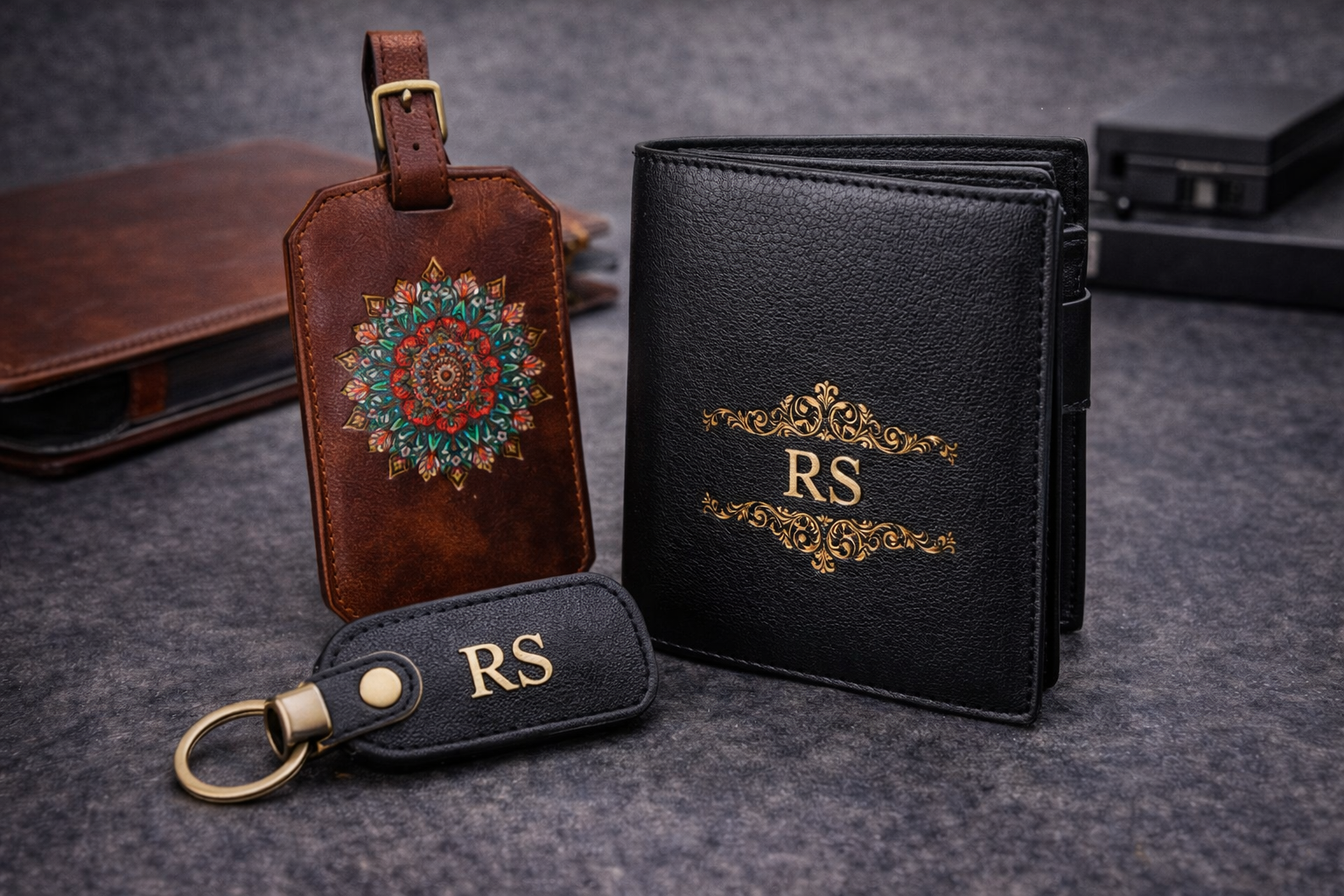
Cosmetic brands often want packaging to feel premium. White ink helps colors show on dark bottles, amber glass, frosted containers, and clear packaging. Varnish can add gloss accents, tactile logo effects, or premium detail. These effects should be sold carefully because they add setup, curing, and quality-control requirements.
For cosmetic bottles, test whether the white layer changes the visual weight of the design. A dense white underbase can make a logo stand out, but it may also make a delicate skincare label look too heavy. Use samples to decide the best balance. The white ink in UV printers article is a useful support link for buyers who are comparing print quality and maintenance.
Curing and Durability Expectations
Cosmetic containers face handling, oils, lotions, moisture, friction during shipping, and shelf display. Direct UV prints can perform well, but every claim should be based on testing. A shop should run rub tests, tape tests, oil-contact checks, and packing simulations for the exact bottle and product use case.
Do not promise luxury retail durability from one untested sample. A better approach is to define the use: prototype samples, ecommerce short runs, boutique retail packaging, or higher-volume production support. Each use case needs a different approval standard. For outdoor or high-contact use, refer to broader durability guidance such as durable UV print practices.
Batch Workflow for Cosmetic Brands
- Confirm bottle material, diameter, taper, print area, finish, and quantity.
- Prepare artwork at real size with separate color, white, varnish, and data layers.
- Clean and test the exact container before quoting a larger production run.
- Select or build the fixture and document the setup.
- Print a proof container and check alignment, color, readability, and adhesion.
- Save the approved profile, fixture notes, and artwork version.
- Run the batch in controlled groups with inspection points.
- Pack bottles so printed surfaces do not rub during shipping.
Short-Run Packaging Offer Structure
A shop can make this service easier to buy by packaging it into clear options. The first option can be sample-pack printing for product development or photography. The second can be boutique batch printing for small ecommerce sellers. The third can be private-label repeat production, where the bottle, artwork, fixture, and print profile are saved for future orders.
This structure matters because cosmetic buyers often launch product lines, not single products. Once a serum bottle is approved, the same customer may need toner bottles, cream jars, sample tubes, gift boxes, and seasonal sets. A cylindrical printer for cosmetic bottles can become a repeat-business engine if the shop treats artwork, fixtures, and approvals as assets.
Pricing Considerations
Cosmetic packaging should not be priced only by print area. The quote should include artwork review, proofing, fixture setup, material testing, white ink, varnish, container cleaning, alignment time, rejects, inspection, and packing. A customer who supplies expensive glass bottles also creates risk because a misprint costs more than ink and machine time.
For small brands, explain the difference between a sample run and a production run. A sample run is slower because the shop is discovering the bottle behavior. A production run should be more efficient because the workflow is approved. This helps the customer understand why the first order may carry setup cost while reorders can move faster.
When Direct Cylindrical Printing Is Not the Best Fit
Direct cylindrical UV printing is not perfect for every cosmetic product. Flexible squeeze tubes, highly textured containers, very oily surfaces, unstable low-cost packaging, or extremely large commodity runs may be better served by other decoration methods. If the container shape is too irregular, a UV DTF transfer or label may be more practical.
This honest comparison builds trust and also improves SEO because the page answers real buyer questions. The UV printer vs UV DTF printer comparison can help buyers understand whether direct printing or transfer printing is the better workflow for their product line.
Common Cosmetic Bottle Printing Problems
- Text wraps into the seam: adjust artwork placement and define the visible front panel before printing.
- Color looks weak on amber glass: test a white underbase and increase contrast.
- Bottle shifts during rotation: improve the fixture and reduce slip before the full run.
- Print rubs during shipping: adjust curing, test adhesion, and use separators in packaging.
- Brand line looks inconsistent: save templates for each bottle size and repeat the same print position.
- QR code does not scan: increase size, avoid high curve distortion, and test after printing.
Internal Link Strategy
This article should not replace the main cylindrical printer page. It should capture a specific cosmetic packaging query and then move serious buyers to the right commercial page. The primary internal links should point to the cylindrical printer, cylinder UV printer, and 360 rotary UV printer pages. Supporting links should connect to UV printing on curved surfaces, white ink, glass, metal, file preparation, and machine comparison content.
For topical authority, this post helps the site show depth around round-product printing beyond drinkware. It adds cosmetic bottles, tubes, jars, caps, and short-run packaging as a clear cluster, which can support rankings for cylindrical printer and cylinder UV printer terms.
What to Monitor After Publishing
After publishing, watch for impressions around cylindrical printer for cosmetic bottles, bottle UV printer, UV printer for cosmetic packaging, printer for bottles and tubes, and direct printing on cosmetic bottles. Early impressions may appear before clicks. If the post gains impressions but weak clicks, tighten the meta title around cosmetic bottles and short-run packaging. If visitors land but do not move to commercial pages, add a stronger comparison link near the top.
Compliance and Product Information
Cosmetic packaging often carries more responsibility than a decorative gift item. A bottle may need product name, net contents, usage directions, warning text, ingredients, batch code, company details, barcode, recycling mark, or other market-specific information. The print shop should not provide legal advice, but it should ask whether the customer has approved copy before printing. This prevents a beautiful bottle from becoming unusable because the required information was missing or too small.
For many brands, the cleanest approach is to separate front branding from required details. The cylindrical printer can create a premium front design, while a back zone, bottom label, or secondary packaging can carry longer compliance information. When direct printing is used for both, the operator should test whether small type remains readable around the curve. The UV print resolution guide is useful support content for explaining why tiny packaging text needs careful setup.
How to Build a Cosmetic Packaging Sample Kit
A good sample kit makes the sales conversation easier. Include a frosted glass bottle, an amber bottle, a clear jar, a white tube, a dark cap, and a small box or rigid accessory. Print each sample with a different practical feature: white ink under color, white-only text, varnish logo accent, QR code, small ingredient-style text, and a wrap alignment example.
This kit does two things. First, it helps cosmetic buyers choose the right finish before paying for a full batch. Second, it helps the shop qualify serious customers. Brands that care about packaging quality will notice the difference between direct printing, labels, and transfers. That makes it easier to move the buyer from a general blog article to the cylindrical printer and machine comparison pages.
FAQ
Can a cylindrical printer print on cosmetic bottles?
Yes. A cylindrical printer can print on many cosmetic bottles, jars, tubes, and caps, but the exact material, coating, shape, and durability requirement must be tested.
Is direct UV printing better than labels for cosmetics?
Direct UV printing is better when the brand wants a no-label-edge premium look, short-run flexibility, and repeat direct decoration. Labels may still be better for very low-cost or high-volume standardized packaging.
Which machine should cosmetic brands compare?
Compare the cylindrical printer, cylinder UV printer, and 360 rotary UV printer pages, then use the machine comparison page to match the product size and workflow.
Final Recommendation
A cylindrical printer for cosmetic bottles is a strong long-tail topic because it connects specific packaging demand with machine-buying intent. The best content angle is practical: container testing, artwork setup, fixture control, white ink, curing, pricing, and repeat production. With correct internal links, this article can rank for cosmetic packaging searches and pass authority to the main cylindrical printer pages.