
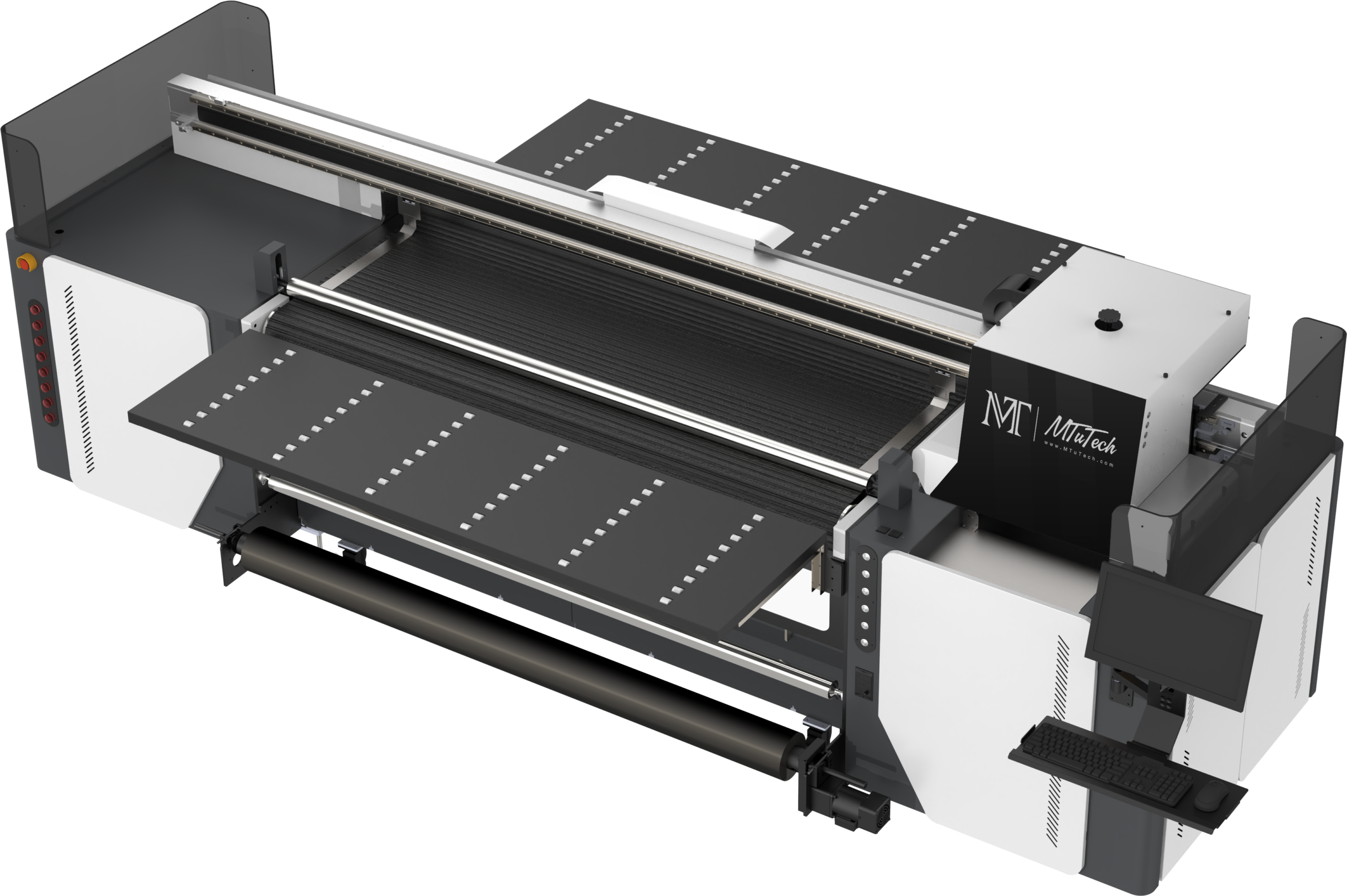
A hybrid UV printer for packaging is useful when a shop needs both rigid-board printing and roll-media flexibility. Packaging prototypes, short-run corrugated displays, retail signs, hanging graphics, product launch boards, shelf displays, window graphics, and point-of-purchase campaigns often move between flat sheets and flexible material. A pure flatbed or pure roll-to-roll printer can handle part of that demand, but a hybrid workflow can cover more job types in one production area.
This article is designed for sign shops, packaging sample makers, retail display producers, and print businesses comparing whether a hybrid UV printer fits their workflow. It supports the existing hybrid commercial page with a narrower long-tail topic that can rank for packaging and POP display intent.
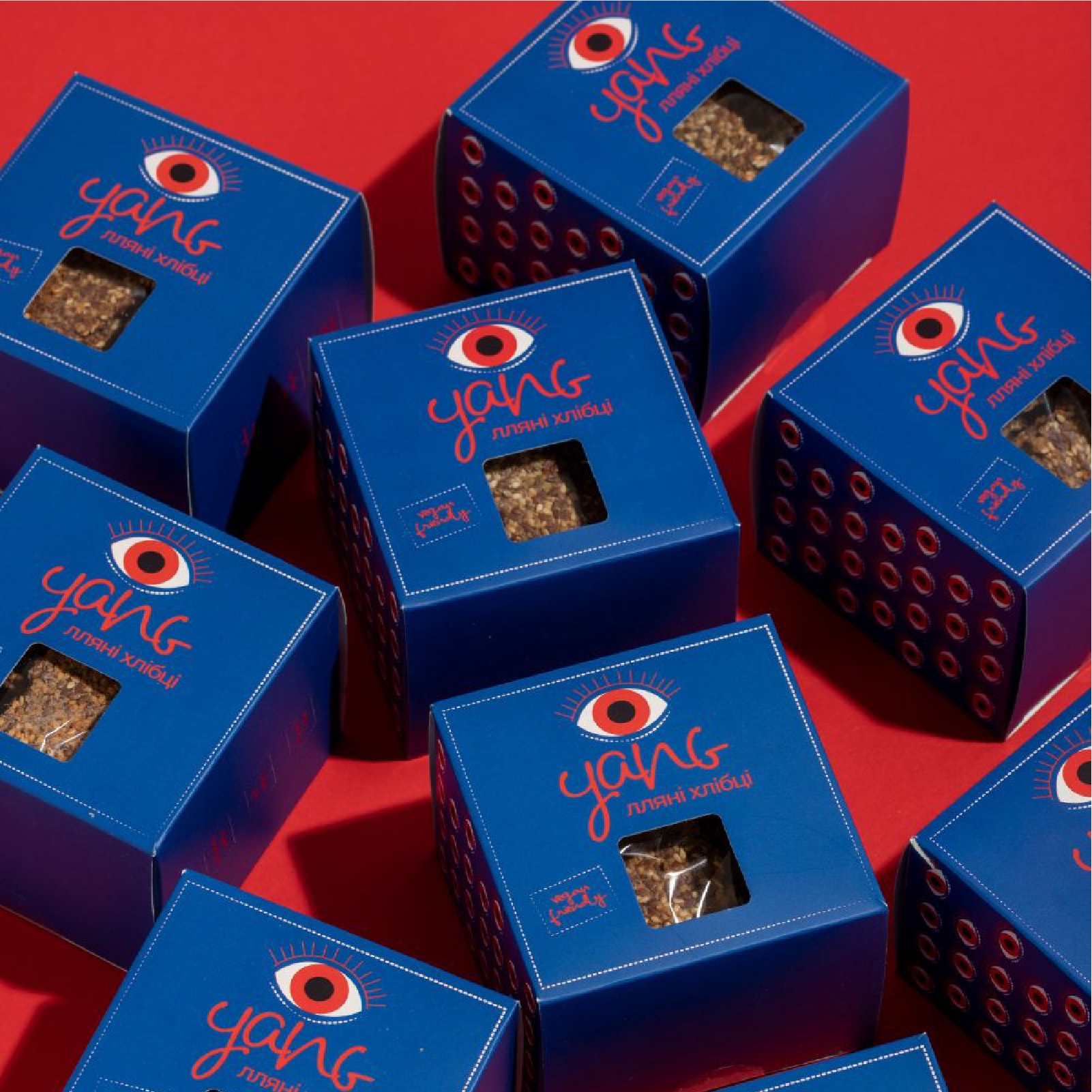
Why a Hybrid UV Printer for Packaging and POP Displays Fits Sign Shops
Packaging and retail display jobs are rarely limited to one material. A product launch may need corrugated display boards, shelf strips, rigid header cards, adhesive graphics, roll banners, window decals, and prototype boxes. A sign shop that can produce multiple pieces in-house can quote faster and keep color more consistent across the campaign.
Hybrid UV printers are attractive because they reduce the gap between flatbed and roll production. The shop can print rigid boards for prototypes and display structures, then switch to roll media for banners or flexible graphics. For smaller campaigns, this can be more practical than outsourcing part of the job or maintaining separate dedicated machines.
Best Jobs to Target First
- Short-run corrugated display boards for product launches.
- Packaging prototypes for boxes, sleeves, inserts, and sample kits.
- POP header cards, shelf talkers, retail signs, and campaign boards.
- Window graphics, roll banners, posters, and temporary promotion media.
- Foam board, PVC board, acrylic panels, and paperboard display samples.
- Mixed retail campaigns that need both rigid and flexible graphics.
This use case links naturally to the broader UV printer applications page and helps clarify why a buyer might choose the hybrid category instead of a standard flatbed.
Hybrid UV vs Flatbed vs Roll-to-Roll
The choice depends on the shop’s job mix. A flatbed is strong for rigid boards, panels, and thick sheets. A roll-to-roll printer is strong for flexible media. A hybrid UV printer is most useful when the shop regularly handles both and needs a practical compromise.
| Workflow | Best For | Limit |
|---|---|---|
| Flatbed UV | Rigid boards, acrylic, panels, packaging sheets | Less efficient for long roll-media work. |
| Roll-to-roll UV | Banners, vinyl, flexible graphics, long runs | Not designed for rigid sheets or thick boards. |
| Hybrid UV | Mixed rigid and flexible display work | Requires disciplined setup when switching material types. |
For deeper comparison, use the hybrid UV printer vs flatbed vs roll-to-roll article and the flatbed vs roll-to-roll UV printer guide.
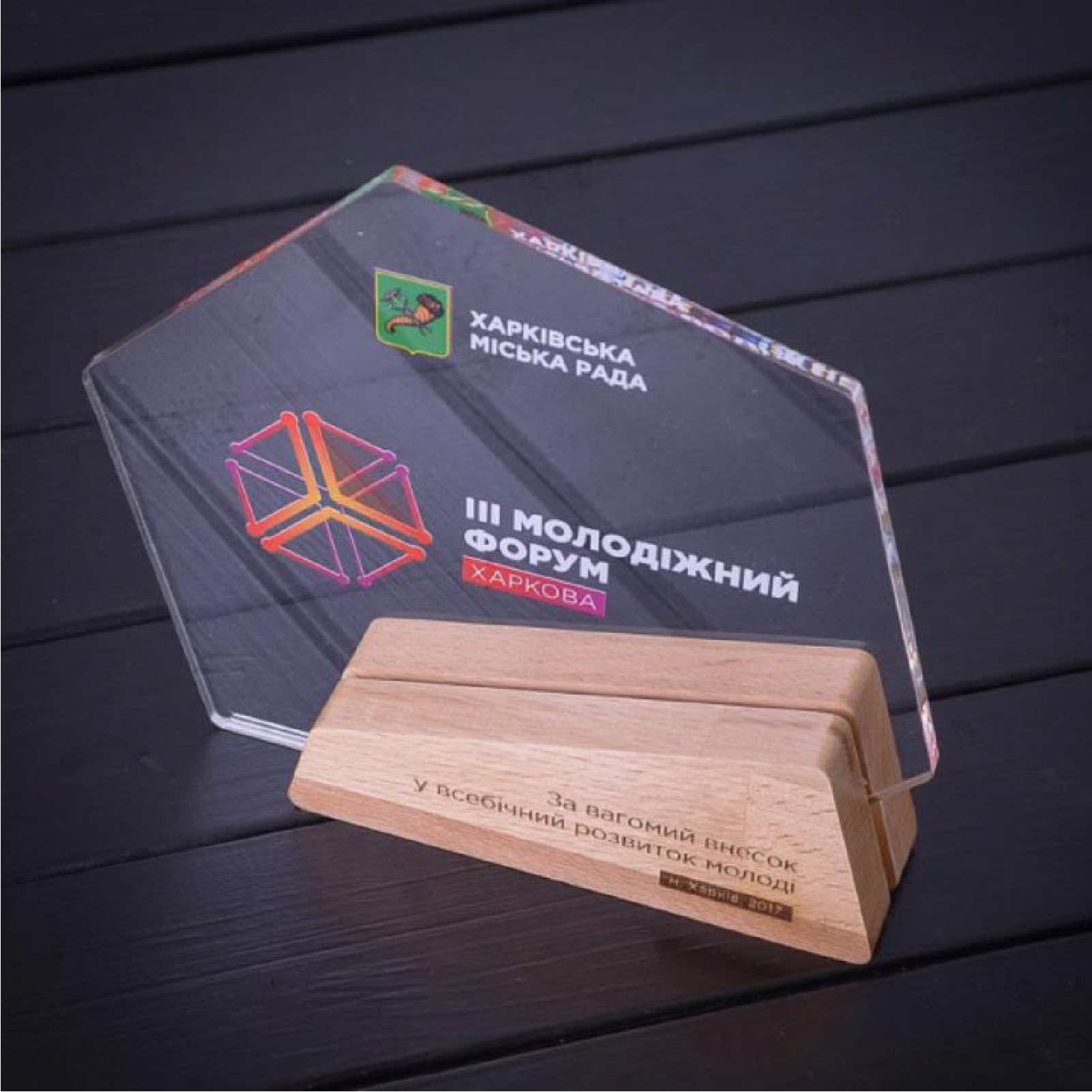
Packaging Prototype Workflow
Prototype packaging is different from mass packaging. The customer usually wants speed, visual accuracy, material feel, and revision flexibility. They may not need thousands of boxes yet. They need samples for a product pitch, retail meeting, internal approval, or launch photography. This is where hybrid UV printing can create value.
- Confirm the packaging style, material, size, fold lines, and visual goal.
- Prepare artwork with bleed, safe areas, cut lines, and color references.
- Choose board or roll media that resembles the final product enough for approval.
- Print a first proof and check color, text, fold alignment, and surface finish.
- Revise quickly without rebuilding a screen or outsourcing a full batch.
- Save settings when the customer requests more samples or a related display piece.
The file preparation article is useful for customers who send dielines, PDF artwork, layered files, or incomplete packaging assets.
POP Display Workflow
Point-of-purchase display work is deadline-driven. Retail campaigns often involve multiple pieces, changing artwork, and strict visual consistency. A hybrid UV printer helps when one campaign includes rigid display boards and roll graphics. The shop can use one color workflow and keep production under one roof.
Typical POP jobs include header boards, counter cards, shelf strips, directional signs, foam board displays, window posters, product backdrops, and temporary campaign graphics. A shop should build presets for common materials and document how each behaves under ink load, curing, cutting, and mounting.
Material Planning
| Material | Packaging/Display Use | Notes |
|---|---|---|
| Corrugated board | Display boards, prototype packaging, retail mockups | Check crush resistance and surface flatness. |
| Foam board | POP signs, presentation boards, indoor displays | Lightweight and easy to finish; handle dents carefully. |
| PVC board | Durable retail signs and reusable display pieces | Good rigidity; test ink adhesion and cutting. |
| Paperboard | Sample sleeves, box prototypes, inserts | Watch ink load, curl, and fold behavior. |
| Roll media | Banners, posters, decals, flexible campaign graphics | Keep tension and curing consistent. |
The substrate compatibility guide can help buyers compare material behavior before quoting a campaign.
Color and White Ink Control
Retail and packaging buyers care about color consistency. A display board, sample box, and roll poster should look like part of the same campaign. This requires consistent profiling, stable curing, and careful file handling. When printing on colored or clear materials, white ink may be necessary for opacity and brand color accuracy.
White ink can improve packaging prototypes, clear display panels, and colored boards, but it also adds setup time. Shops should build repeatable presets rather than adjusting white ink casually for every job. For technical background, connect the workflow to the white ink in UV printers article.
When a Hybrid UV Printer Makes Commercial Sense
A hybrid printer is strongest when the shop has recurring mixed-material work. It may be harder to justify if 95% of jobs are rigid boards or 95% are roll banners. The machine makes more sense when the sales pipeline includes packaging samples, rigid POP displays, roll graphics, and short-run campaign pieces.
| Business Situation | Hybrid Fit |
|---|---|
| Sign shop adding packaging prototypes | Strong fit because it expands rigid and roll campaign options. |
| Packaging sample shop adding display graphics | Strong fit when customers need launch displays. |
| Only rigid acrylic and metal panels | Flatbed UV may be simpler. |
| Only banner and roll media production | Roll-to-roll UV may be more efficient. |
| Mixed short-run campaigns with frequent changes | Hybrid UV can reduce outsourcing and turnaround time. |
Pricing Packaging and Display Work
Packaging prototypes and POP displays should be priced by project value, not only ink area. Include file setup, dieline repair, proofing, material waste, fixture time, test prints, finishing, packaging, and rush deadlines. Prototype buyers often pay for speed and flexibility; retail display buyers pay for campaign reliability.
A practical pricing structure separates concept samples, approved prototypes, small display runs, and repeat campaign pieces. This lets sales quote clearly while preserving margin.
Material Planning for Packaging Prototypes
Packaging prototype work usually starts with uncertainty. The buyer may know the product size but not the final board, finish, fold structure, or retail display format. A hybrid UV workflow can support that discovery process because the shop can test several materials quickly: paperboard for box mockups, corrugated board for structural displays, foam board for presentation pieces, PVC board for durable signage, and roll media for flexible campaign graphics.
The shop should keep a small library of tested materials and print notes. For each material, record thickness, print side, surface texture, curing behavior, cutting behavior, and finishing limitations. This library becomes a sales tool because customers can touch actual samples instead of making decisions from a screen. It also supports SEO because the content can be internally connected to substrate, application, and commercial machine pages.
Color Consistency Across Rigid and Roll Media
One reason retailers use professional print shops is consistent brand color. A campaign can look weak if a header board, shelf strip, and window graphic all show slightly different reds, blues, or skin tones. Hybrid UV printing can simplify color control because more campaign parts stay inside one workflow, but the operator still needs material profiles, proofing discipline, and realistic expectations.
For important campaigns, print a small proof set across the main materials before the full run. The buyer can approve the practical color result, not only the PDF file. This prevents expensive reprints and gives the shop a professional process that competitors may not offer. For repeat customers, save the approved material, mode, and finishing notes so the next campaign starts from a known standard.
Shop Floor Setup for Hybrid Packaging Work
Hybrid UV packaging work becomes profitable when the shop organizes materials and presets instead of treating every job as a new experiment. Store common rigid boards, foam board, PVC board, and roll media in labeled zones. Keep a short note for each material that includes print side, thickness, curing behavior, feed settings, and finishing notes. This reduces operator guesswork when a deadline-driven campaign arrives.
Material switching is the main operational challenge. A shop should schedule similar media together where possible, then group roll jobs and board jobs logically. Even if the machine can switch workflows, production still benefits from planning. A sales team that understands setup time can quote rush work more accurately and avoid overpromising same-day mixed-material campaigns.
Campaign Planning for Retail Buyers
Retail display buyers often think in campaigns, not individual prints. A product launch may need one hero display, several shelf cards, window graphics, a tabletop sign, and replacement pieces for different store locations. When quoting, ask about the full campaign before pricing the first board. The shop may be able to bundle rigid and roll pieces into one production plan.
This is where a hybrid UV printer can be positioned clearly. The benefit is not just “prints on many materials.” The benefit is faster campaign control: consistent color, fewer vendors, faster revisions, and easier repeat production. That message is stronger for ranking and conversion than a generic machine-spec article.
Finishing and Installation Considerations
Packaging prototypes and POP displays usually need trimming, scoring, mounting, folding, grommets, adhesive backing, or protective packing. These finishing steps affect the quote and the production timeline. A prototype box that needs accurate fold lines is not the same job as a flat poster. A foam board display that needs clean edges and stand support is not the same as a temporary banner.
Build finishing assumptions into the sales form. Ask whether the job needs cutting, creasing, laminating, mounting, or packing by store. If the display will ship to multiple locations, include sorting labels and packing instructions. These details make the shop look more professional and protect production time.
How to Decide If Hybrid UV Is the Right Machine
A hybrid UV printer for packaging is not automatically the right choice for every sign business. It becomes the stronger option when mixed work is normal, not occasional. If a shop prints rigid display boards every day and roll media only once a month, a flatbed-first strategy may be better. If the shop mainly prints flexible banners and decals, a roll-to-roll machine may be more efficient. Hybrid UV makes the most sense when packaging samples, boards, displays, and roll graphics regularly move through the same production calendar.
Buyers should review the last three to six months of quotes before choosing equipment. Count how many jobs required rigid board, how many required roll media, and how many could have been won if both were available in-house. Also check whether outsourcing caused delays, margin loss, or inconsistent color. Those numbers make the machine decision more practical than comparing specifications alone.
Content Cluster Opportunity
This post can support a larger hybrid UV content cluster. The main commercial page should target machine-level buying intent. This article targets packaging and POP display use. Related articles can target flatbed vs roll-to-roll comparison, product prototype printing, sign-shop workflow, corrugated display printing, and application-specific buying questions. Together, these pages make the site look more complete than a single product page trying to rank by itself.
From an internal-linking view, the article should pass authority upward to the hybrid UV printer page, sideways to the hybrid UV printer comparison, and outward to application content. That structure helps users find the right machine while giving search engines a cleaner map of the topic.
Internal Link Strategy for Hybrid Authority
This article should work as a support asset for the main hybrid UV printer page. It targets packaging and POP display intent, then routes qualified readers to the commercial page when they are ready to compare machine capability. It also links to comparison content so buyers can understand why hybrid equipment is different from flatbed-only or roll-only workflows.
The supporting links matter because hybrid keywords often overlap with flatbed, roll-to-roll, packaging, and sign-shop searches. A clear internal structure helps Google understand that the hybrid page is the commercial destination, while this article explains one use case in detail.
What to Monitor After Publishing
For this topic, early SEO value may show through impressions for hybrid UV printer packaging, POP display printer, corrugated display printing, packaging prototype printer, and sign-shop UV printer searches. Clicks may take longer because the main keyword group is competitive and many buyers compare several machine categories before contacting a supplier.
Use the article as a bridge page. If it starts getting impressions but low clicks, improve the title and meta description around the exact use case. If it gets clicks but weak engagement, add more campaign examples, finished display photos, and clearer links to the hybrid UV printer commercial page. If the article gets impressions for flatbed-only terms, reinforce the hybrid comparison section so Google understands the intended machine category.
Sales Questions This Page Should Answer
- Can one machine support both packaging samples and retail display graphics?
- When is hybrid UV better than flatbed-only equipment?
- Which materials should a shop test before quoting packaging prototypes?
- How does a hybrid printer help with short-run product launches?
- What should be included in a packaging or POP display quote?
Common Mistakes
- Buying a hybrid UV printer without enough mixed-material demand.
- Ignoring color consistency between board and roll media.
- Failing to test fold lines, cutting, and finishing on packaging prototypes.
- Quoting prototypes like commodity posters instead of approval samples.
- Skipping saved presets for common display materials.
FAQ
Is a hybrid UV printer good for packaging prototypes?
Yes. It can print short-run packaging samples, prototype boards, inserts, and campaign graphics with fast revisions and low setup compared with traditional high-volume packaging processes.
Can a hybrid UV printer print POP displays?
Yes. POP displays often use rigid boards and flexible graphics, making hybrid UV printing useful for mixed campaign production.
Which MTuTech page should buyers compare?
Start with the main hybrid UV printer page, then compare alternatives using the machine comparison page.
Final Recommendation
A hybrid UV printer for packaging and POP displays is a rankable, commercially useful topic because it answers a real buying question: when does one machine make sense for both rigid and roll work? Shops should compare their actual job mix, build material presets, document proofing workflow, and link packaging/display content back to the main hybrid UV printer page.