
360 rotary UV printer price is not just the number written on a quote. The real cost depends on the printer body, printhead configuration, rotary fixture, ink system, white ink circulation, UV curing, RIP software, installation support, spare parts, shipping, and the type of bottles or tumblers you plan to print. Two machines can look similar in a photo and still produce very different output once they are asked to print full-wrap bottles every day.
This guide is for buyers comparing a 360 rotary UV printer for drinkware, bottles, cylindrical packaging, cosmetic containers, promotional products, and short-run custom gifts. Instead of chasing the lowest machine price, use this as a practical buying checklist: what changes cost, what should be included in a quote, how to think about consumables, and how to estimate whether the machine can pay for itself.
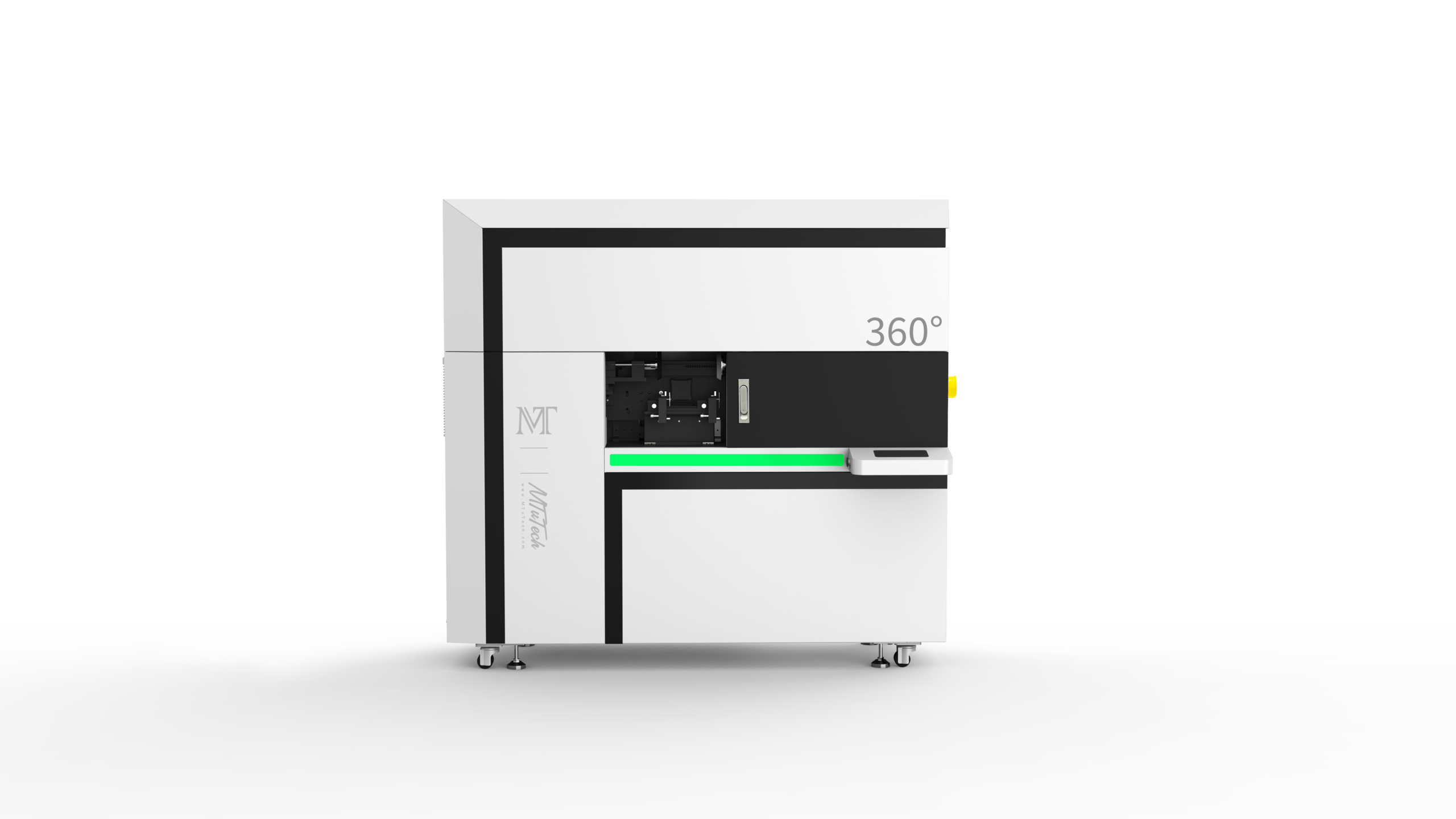
What Affects 360 Rotary UV Printer Price?
The biggest price differences usually come from machine size, printhead choice, build quality, rotary accuracy, ink system, software, and support. A low quote may only include the base machine. A more complete quote may include rotary tooling, RIP software, starter ink, training, shipping support, and spare parts. The second quote can look higher at first and still be the better purchase if it helps the shop start production faster.
When comparing a 360 rotary UV printer, check whether the supplier is quoting a complete production setup or just the machine shell. The production setup is what matters. A printer cannot generate revenue if the fixture does not hold your bottles, the RIP software is unclear, or operators do not know how to maintain white ink.
1. Printhead Configuration
The printhead is one of the most important cost drivers. It affects speed, droplet control, maintenance habits, and long-term replacement cost. A configuration aimed at hobby-level output will not behave the same as a production setup used for daily bottle and tumbler orders. Buyers should ask what printhead is used, how many heads are included, what color channels are supported, and what the replacement cost is.
Do not judge printhead value only by advertised resolution. For round-object printing, stable rotation, correct ink laydown, and clean curing matter just as much as DPI. A machine with a sensible printhead and good fixture control can outperform a machine that claims high resolution but slips during full-wrap printing.
2. Rotary Fixture and Product Handling
The rotary fixture is the heart of the workflow. It controls how bottles, cups, tubes, and tumblers rotate under the printhead. The fixture must hold different diameters securely, reduce wobble, and keep the print area aligned from start to finish. If your products include tapered cups or uneven containers, fixture adjustability becomes even more important.
A serious quote should explain the supported diameter range, maximum length, weight limit, and whether extra tooling is needed for special items. If you print tapered products, also review the guide to a printer for conical surfaces. A small fixture difference can decide whether a product is easy to run or becomes a slow custom setup every time.
3. White Ink, Varnish, and Ink Circulation
Many drinkware and packaging jobs require white ink because bottles, tumblers, and cosmetic containers are often dark, transparent, metallic, or colored. White ink gives the print a bright base. Varnish can add gloss, texture, or premium effects. These features add value, but they also require a stable ink system and operator discipline.
White ink circulation is one of the details buyers should not ignore. Poor circulation can create settling, nozzle issues, and weak output. Ask whether the printer includes automatic circulation, agitation, or recommended daily routines. The cheapest quote is not cheap if it leads to constant white ink problems.
4. UV Curing System
UV curing affects durability and handling speed. Bottles and tumblers are touched, packed, shipped, and sometimes washed. If curing is weak, the print may look good at first and fail during handling. A strong curing system helps ink bond properly and reduces post-print waiting time.
Ask the manufacturer how curing is controlled for cylindrical products, whether cure intensity is adjustable, and what settings are recommended for stainless steel, coated plastic, glass, and powder-coated drinkware. For high-touch products, curing is not an accessory. It is part of quality control.
5. RIP Software and Artwork Setup
RIP software controls white ink, varnish, print passes, color output, and production modes. It also affects how easily operators can repeat settings. A complete quote should state which RIP software is included, whether it is licensed, and what training comes with it. If your artwork includes wrap seams, QR codes, fine text, or variable names, software setup matters even more.
The RIP software page is useful if your team is new to UV workflows. Good software habits reduce reprints because operators can save templates, repeat settings, and avoid rebuilding a job from memory.
6. Service, Training, and Spare Parts
After-sales support is part of 360 rotary UV printer price. A supplier that helps with setup, training, maintenance, and troubleshooting can save days of lost production. Ask how training is delivered, who handles support, what time zone they cover, and which spare parts should be kept in stock.
A production shop should not wait until something breaks to learn where parts come from. Ask about printhead protection, capping station, dampers, filters, UV lamps, belts, sensors, and routine consumables. Good support is rarely the cheapest line item, but it protects uptime.
What Should Be Included in a Complete Quote?
A clean quote makes comparison easier. If one supplier lists only the machine price and another lists a full startup package, the two numbers are not equal. Ask every supplier to show the same details so you can compare fairly.
| Quote Item | Why It Matters | Question to Ask |
|---|---|---|
| Machine model | Defines size, print area, speed, and product fit | Why is this model right for my bottles or tumblers? |
| Printhead | Affects quality, speed, and replacement cost | What printhead is included and what is the spare cost? |
| Rotary fixture | Controls alignment and repeatability | What diameter and product length can it hold? |
| Ink system | Controls color, white ink, and varnish performance | Is white ink circulation included? |
| RIP software | Controls layers, color, and print modes | Is licensed software included? |
| Training | Reduces launch mistakes | How will operators be trained after delivery? |
| Warranty and parts | Protects uptime | Which parts are covered and how fast can parts ship? |
Consumables That Affect Real Cost
The machine price is only the beginning. Daily cost also includes ink, cleaning fluid, wipes, primer or coating when needed, test products, reject blanks, and occasional replacement parts. If the workflow includes stainless tumblers, coated bottles, or glass, adhesion testing may add a small cost before a product becomes production-ready.
Keep a simple cost sheet for every product type. Track ink estimate, blank cost, labor time, setup time, packaging, waste rate, and selling price. The tumbler printer startup cost guide is helpful if your business model is built around drinkware pricing and profit planning.
How to Estimate ROI
ROI depends on production volume, order value, setup time, and waste rate. A shop selling one-off personalized bottles has a different model from a factory producing repeat packaging SKUs. Do not use one generic ROI number. Build a small scenario based on your actual product mix.
For example, list your top five products and estimate average selling price, blank cost, ink cost, labor, and daily capacity. Then estimate how many orders are needed each month to cover the printer payment, rent, operator time, and consumables. A slightly more expensive machine can pay back faster if it reduces setup time and reprints.
Simple ROI Questions
- How many bottles or tumblers can the operator print per day after setup?
- What is the average profit per finished product?
- How many rejects should be expected during the first month?
- How much time is spent changing products or artwork?
- Can the machine support repeat orders without rebuilding every setting?
These answers are more useful than a generic promise that the printer pays for itself quickly. The goal is a practical machine that fits your real sales channel.
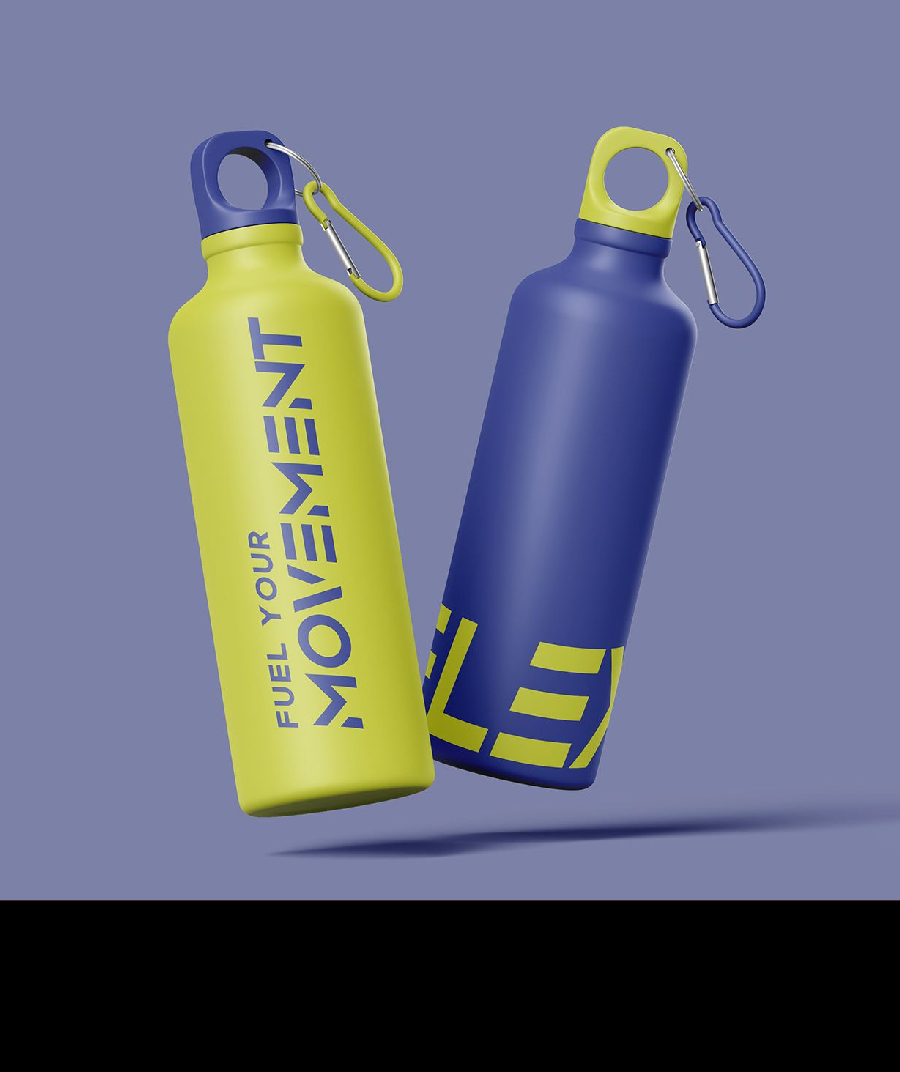
360 Rotary UV Printer vs Cylindrical Printer vs Tumbler Printer
Machine names can be confusing because suppliers use similar terms differently. The best decision starts with the product. A dedicated tumbler printer is useful when drinkware personalization is the core business. A cylindrical printer can suit round objects and startup workflows. A cylinder UV printer may fit bottle, tube, and packaging production. A 360 rotary UV printer is strongest when full-wrap round-object printing is a central revenue line.
If you are still comparing machine categories, the cylinder UV printer vs cylindrical printer vs tumbler printer guide can help clarify the differences. If bottles and tumblers are already confirmed as your main products, focus on fixture quality, rotation accuracy, and cure reliability.
Sample Testing Before Paying a Deposit
Always test your real products before finalizing a purchase. Send the supplier your bottle, tumbler, cup, jar, or tube. Include real artwork with small text, logos, solid color, white ink, and any full-wrap requirement. If the product is tapered, include that product instead of a straight bottle.
A useful sample should answer these questions:
- Does the print stay sharp around the curve?
- Does the seam meet acceptably for a full-wrap design?
- Does the ink adhere after handling?
- Is white ink bright enough on dark or transparent products?
- Can the supplier explain the settings used to create the sample?
One beautiful sample is not enough if the setup cannot be repeated. Ask for a short batch when possible, especially if your business will sell repeat orders.
When a Cheaper 360 Rotary UV Printer Becomes Expensive
A cheaper machine can become expensive when it creates reprints, wastes blanks, needs constant adjustment, or lacks support. The cost is not always visible on the invoice. It appears as operator frustration, late orders, weak adhesion, poor color consistency, and spare parts delays.
The biggest hidden costs usually come from unstable fixtures, unclear software, weak training, and poor support. If the quote does not explain these areas, ask for clarification before paying. A lower machine price is only valuable when the whole workflow can produce saleable prints consistently.
Best Buyers for a 360 Rotary UV Printer
A 360 rotary UV printer is a strong fit for businesses that already have demand for round products or can sell them through a focused channel. It is especially useful for promotional product suppliers, drinkware startups, personalized gift shops, bottle decorators, packaging sample teams, and factories that need short-run cylindrical marking.
If your business still prints many flat products, compare the rotary setup with a general UV printer or UV Printer 9060. Some shops need one dedicated round-object printer; others need a flatbed first and a rotary machine later.
Buyer Checklist Before Requesting Price
- List the exact products you plan to print.
- Measure diameter, length, taper, and printable area.
- Decide whether you need white ink, varnish, or texture.
- Ask which rotary fixture is included.
- Request sample printing on your real products.
- Confirm RIP software, training, and warranty.
- Ask for spare part pricing before purchase.
- Calculate monthly order volume needed for ROI.
Price Ranges Should Be Compared by Use Case
Buyers often ask for a single 360 rotary UV printer price, but the better question is which configuration fits the revenue plan. A small shop printing personalized tumblers at low daily volume does not need the same setup as a packaging supplier printing bottle samples and repeat corporate orders. A machine used for occasional gifts can be simpler. A machine expected to run every day needs stronger fixture control, better training, faster support, and a clearer spare-parts plan.
Build your comparison around use case. If you sell premium drinkware, check print quality, full-wrap alignment, and white ink density. If you sell cosmetic packaging prototypes, check fine text, label placement, and repeatability. If you mark industrial tubes or cylindrical parts, check fixture security and whether the product surface needs cleaning or coating. The right price is the one that matches the work you will actually sell.
Shipping, Installation, and Import Costs
Do not forget shipping and delivery planning. A printer quote may not include freight, insurance, customs, unloading, installation support, or local electrical preparation. These costs can change the real startup budget. Ask whether the machine is shipped by sea or air, how it is packed, what documentation is provided, and what the buyer must prepare before arrival.
Installation also has value. A remote training session, startup checklist, maintenance videos, and sample print walkthrough can reduce the learning curve. If an operator loses a week because setup instructions are unclear, that time has a cost. Treat launch support as part of the buying decision.
Maintenance Cost and Operator Time
Rotary UV printing is productive only when maintenance is consistent. Daily nozzle checks, wiping, capping, white ink circulation, fixture cleaning, and film or product dust control all protect output. These tasks are not difficult, but they must be scheduled. A machine that is ignored for several days can become expensive through blocked nozzles or poor white ink performance.
When calculating cost, include operator time for setup and maintenance. A well-trained operator can load products faster, spot issues earlier, and reduce waste. A poorly trained operator may blame the printer when the real issue is height, fixture pressure, artwork layout, or curing setup.
How to Talk to a Supplier About Price
Send the supplier a short but specific brief. Include product photos, product measurements, surface material, expected monthly volume, design examples, and whether you need full wrap, partial logo, white ink, varnish, or texture. Ask them to recommend the right model and explain what is included. This makes the conversation more useful than asking for a generic price list.
You can also use the UV inkjet printer manufacturer checklist to compare supplier answers. A good supplier should be able to explain the machine, fixture, software, ink, warranty, training, and sample process without vague promises.
FAQ
Why do 360 rotary UV printer prices vary so much?
Prices vary because printheads, fixtures, ink systems, curing, software, training, and support can be very different even when machines look similar online.
Is the lowest quote a bad choice?
Not always, but it must be complete. If the low quote excludes fixtures, software, training, ink, or support, it may cost more after purchase.
Can a 360 rotary UV printer print tapered cups?
Some tapered products can be printed, but the fixture and artwork setup matter. Test your real tapered cup before buying.
What products give the fastest ROI?
Personalized tumblers, branded bottles, corporate drinkware, cosmetic packaging, and repeat promotional orders can perform well when the shop has a clear sales channel.
Before deciding, compare at least two sample runs: one simple logo job and one difficult production-style job with small text, white ink, and a curved surface. The difficult sample is usually where the real value of the machine becomes visible.
Bottom line: 360 rotary UV printer price should be judged as a full production investment, not just a machine number. Compare the fixture, printhead, ink system, software, support, samples, and ROI plan before deciding which quote is truly the better value.