
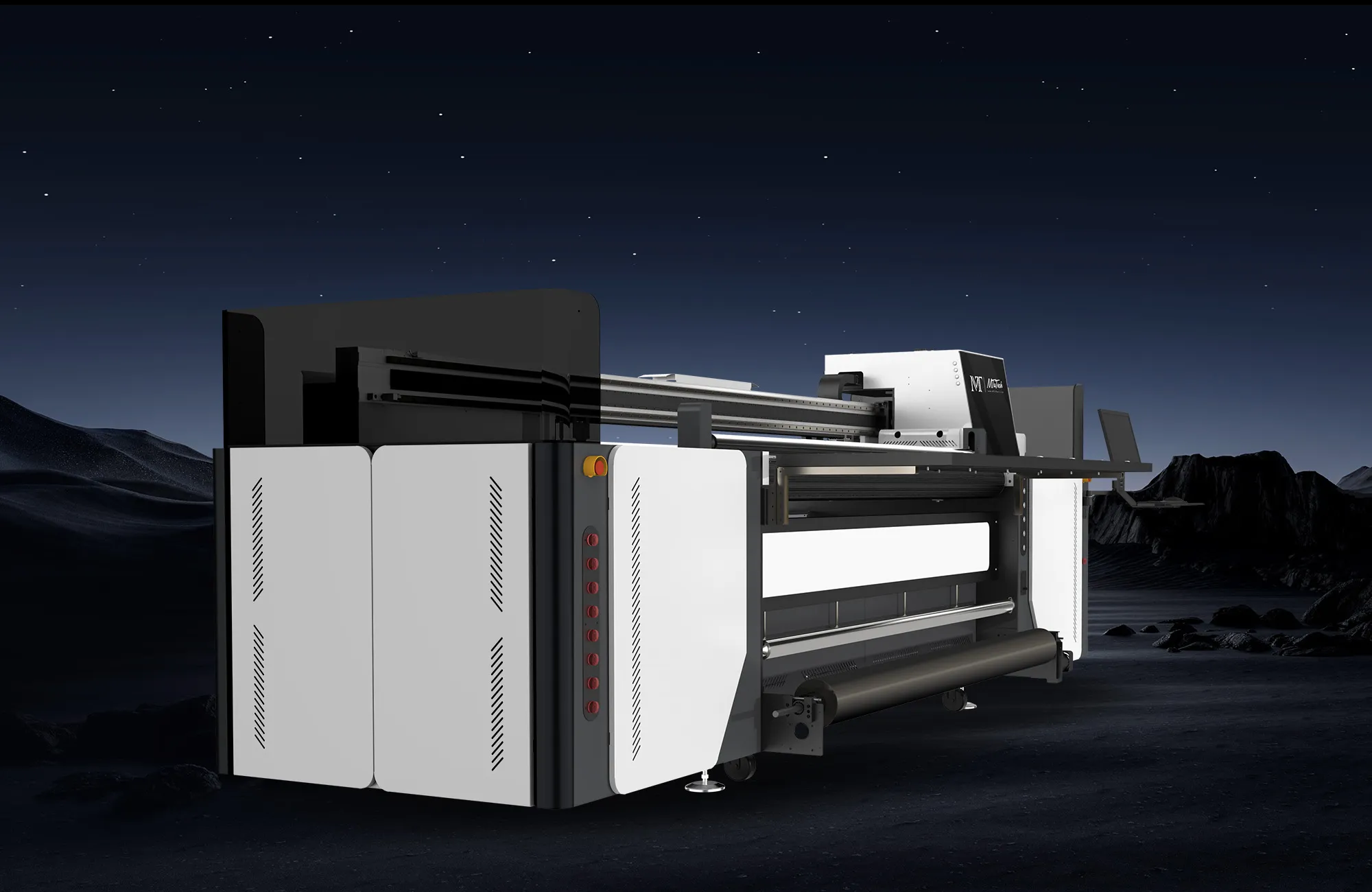
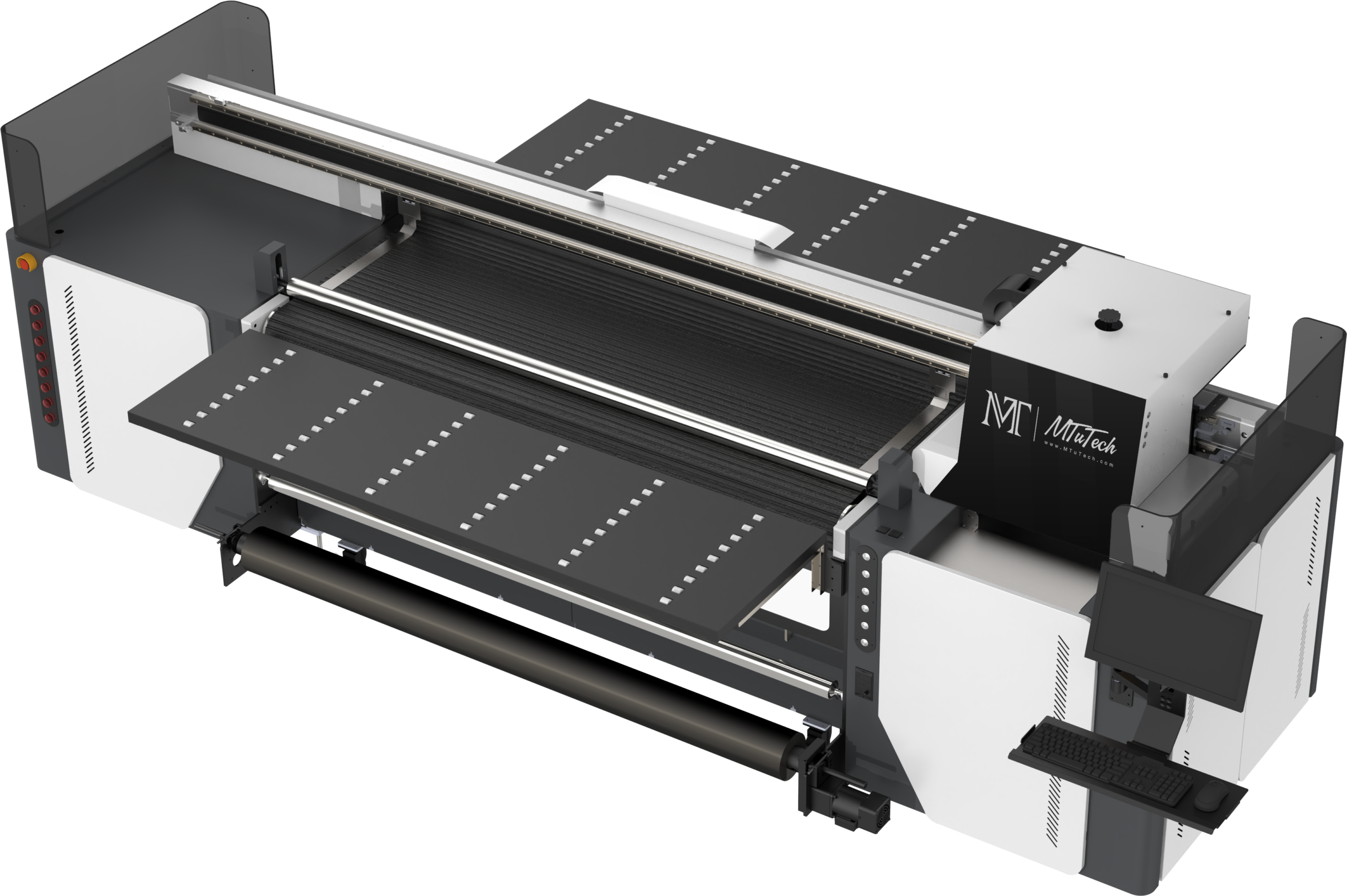
A hybrid UV printer for sign shops is useful when one production floor needs to handle both rigid boards and flexible roll materials. Many sign businesses do not work in one format all day. They print foam boards, acrylic panels, PVC sheets, display graphics, banners, wall films, backlit materials, packaging mockups, and short-run promotional panels. A hybrid workflow can reduce the gap between flatbed and roll-to-roll production.
This guide explains how sign shops should evaluate hybrid UV printing, where it fits better than a dedicated flatbed or roll printer, what workflow problems to plan for, and how to connect the machine choice to real production demand. It supports the core hybrid UV printer page, the hybrid UV printer workflow guide, and the broader hybrid vs flatbed vs roll-to-roll comparison cluster.
Why Sign Shops Consider Hybrid UV Printing
A sign shop usually sells outcomes, not printer categories. Customers ask for storefront signs, event graphics, menu boards, exhibition panels, window films, packaging displays, and branded interior graphics. Some jobs require rigid media. Others require rolls. If the shop must move work between separate machines, scheduling becomes harder and staff need to maintain multiple workflows.
A hybrid UV printer can simplify production when the shop regularly handles both types of work. It does not automatically replace dedicated machines, but it can be the practical center of a flexible sign operation. The right fit depends on order mix, media width, board handling, roll tension, ink performance, white ink demand, and finishing equipment.
Rigid Board Jobs That Fit Hybrid UV
- Foam board signs, PVC boards, acrylic panels, aluminum composite panels, and display boards.
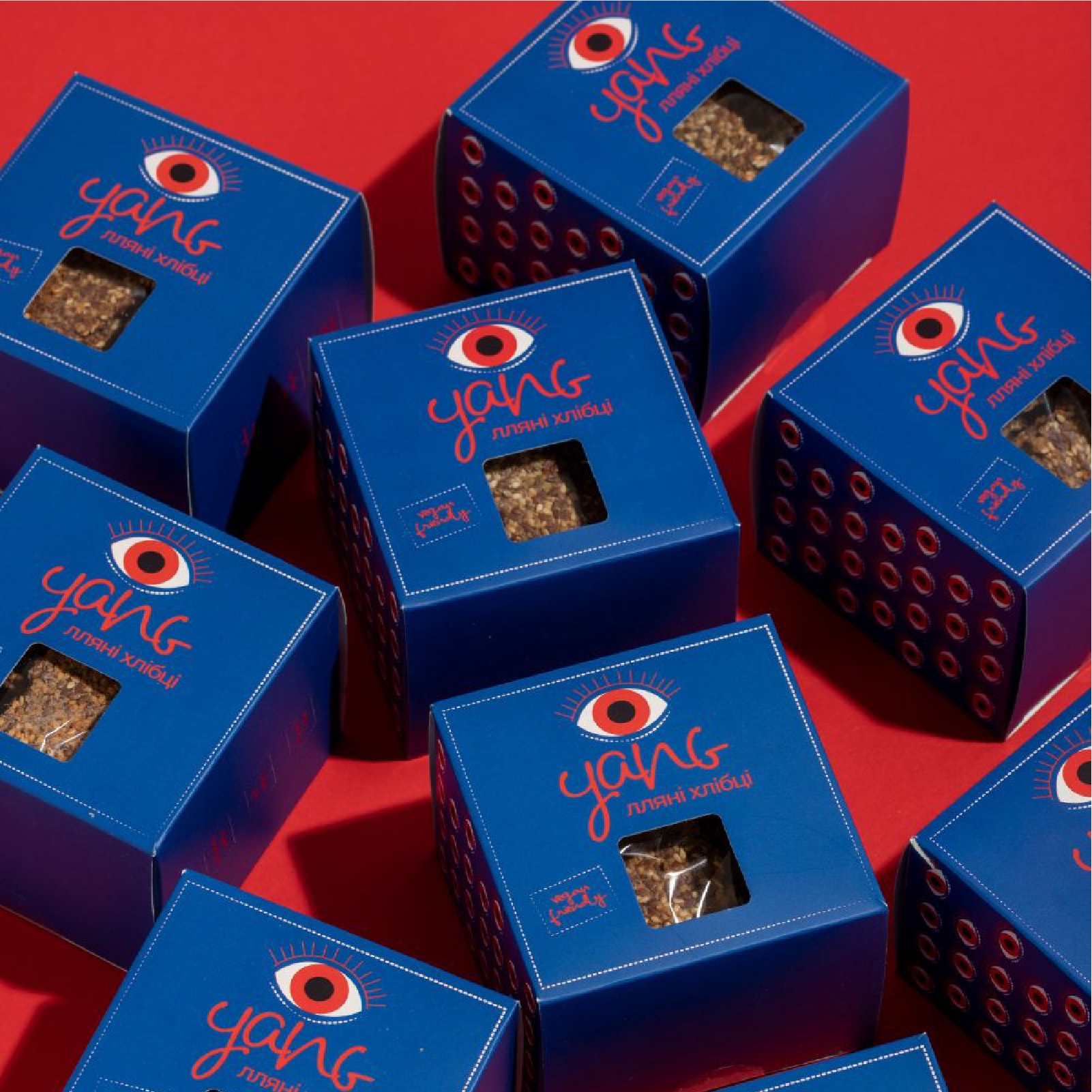
- Retail POP displays, product presentation boards, short-run packaging panels, and sample graphics.
- Directional signs, menu boards, exhibition graphics, and event signage.
- White ink jobs on clear acrylic or colored boards where direct UV printing adds value.
- Short-run custom panels where setup speed matters more than extreme high-volume throughput.
Flexible Roll Jobs That Fit Hybrid UV
The roll side of a hybrid UV printer is useful for banners, films, wall graphics, adhesive vinyl, backlit materials, soft signage components, and roll-fed display graphics. The main advantage is not only media compatibility. It is the ability to keep a consistent UV ink workflow across both rigid and flexible orders.
That said, sign shops should check roll handling carefully. Media feeding, tension control, curing temperature, take-up behavior, and scratch resistance all matter. A machine that prints boards well but struggles with long roll jobs may not solve the scheduling problem the buyer is trying to fix.
| Job Type | Media Format | Hybrid UV Benefit |
|---|---|---|
| Retail display panels | Rigid board | Direct print, white ink, fast short-run changes |
| Event banners | Flexible roll | Roll workflow without moving to a separate ink system |
| Window graphics | Film roll | Useful for branded environments and seasonal campaigns |
| Packaging mockups | Rigid or semi-rigid sheets | Fast samples without outsourcing |
Hybrid UV Printer vs Separate Flatbed and Roll Printers
A dedicated flatbed can be better for shops that print thick rigid boards all day. A dedicated roll-to-roll printer can be better for shops that run long rolls continuously. A hybrid UV printer sits between those two workflows. It is attractive when a business needs versatility, has varied order sizes, and wants to reduce the need for two separate production lines.
The comparison should be honest. A hybrid machine may require more setup discipline because operators switch between media styles. Shops should review the flatbed vs roll-to-roll UV printer differences before deciding. The right question is not which machine sounds more advanced. The right question is which workflow will be loaded with profitable jobs every week.
White Ink and Varnish in Sign Production
White ink is one of the main reasons sign shops look at UV printing. It allows printing on clear acrylic, colored boards, window graphics, backlit displays, and layered designs. Varnish can add emphasis, spot effects, and premium finishes. For sign work, these features should be used where they improve readability or value, not just because the printer can do them.
White ink also adds maintenance responsibility. Operators must understand circulation, agitation, nozzle checks, and storage routines. If white ink work is central to the shop’s sales plan, maintenance discipline should be included in the purchasing decision.
Workflow Planning Before Buying
A hybrid UV printer should be evaluated against real shop movement. Where will boards be stored? How will rolls be loaded? Is there enough space for feeding and take-up? Can one operator handle the media safely? Where will trimming, lamination, routing, or finishing happen? These questions matter because a printer that looks efficient in a brochure can still become slow if the floor layout is poor.
Operational Checklist
- Measure the largest rigid board and widest roll material you expect to sell regularly.
- Confirm loading clearance, unloading clearance, media storage, and finishing workflow.
- Build profiles for common materials instead of treating every job as a new test.
- Train operators on board height, roll tension, curing, and white ink maintenance.
- Use sample production, not only demo prints, to judge real workflow speed.
How Hybrid UV Supports Commercial SEO Pages
From a website authority perspective, hybrid UV content should not stand alone. It should support the main hybrid UV printer product page, the general UV printer category, applications, and the machine comparison path. A buyer who finds a sign-shop guide is usually not ready for a generic blog only. They need a route to machine specs, sample applications, and comparison content.
This is why sign-specific content is useful. It captures practical search intent, explains the production case, and passes topical relevance back to commercial pages. It also gives sales teams a better page to share with sign buyers who are comparing a hybrid model against flatbed-only or roll-only equipment.
Questions to Ask a Supplier
- What rigid board thickness and roll width are supported in normal production, not only in demo conditions?
- How long does it take to switch from boards to roll media and back again?
- Which materials have tested profiles for adhesion, curing, and scratch resistance?
- How is white ink circulated and maintained during mixed production days?
- What training is included for RIP setup, media loading, and maintenance?
- Can the supplier produce samples on your actual sign materials before purchase?
When a Hybrid Machine Is Not the Best Fit
A hybrid machine is not always the highest-output choice. If a shop prints long banner rolls all day, a dedicated roll-to-roll system may be more efficient. If it prints heavy boards or thick rigid products all day, a dedicated flatbed may be simpler. Hybrid UV printing makes the most sense when the job mix is genuinely mixed and the shop values flexibility as much as raw output speed.
For buyers still deciding, the hybrid UV printer vs flatbed vs roll-to-roll guide is the most direct comparison. It helps separate feature interest from business fit, which is the step that prevents overbuying or buying the wrong configuration.
Scheduling Boards and Rolls on the Same Machine
The biggest operational challenge in hybrid UV printing is not the printhead. It is scheduling. Rigid boards and roll media need different loading behavior, different finishing steps, and sometimes different staff attention. A sign shop should group similar jobs together when possible. Run board jobs in one production block, then switch to roll jobs, instead of changing media style every hour.
This reduces setup loss and keeps operators focused. It also makes delivery promises more realistic. Customers may not care whether a sign was printed on board or roll media, but the production team needs a schedule that protects quality and keeps the machine moving.
Finishing Equipment Matters
A hybrid UV printer is only one part of the sign workflow. Printed boards may need cutting, routing, drilling, polishing, mounting, or lamination. Roll graphics may need trimming, grommets, hemming, mounting tape, or installation prep. If finishing is slow, the printer will not be the bottleneck, but the shop will still miss deadlines.
Before buying, a shop should map the full path from order approval to packed job. This includes file prep, print, curing, finishing, quality check, and delivery. A hybrid machine makes sense when the rest of the workflow can support its flexibility.
Media Testing Before Full Production
Every sign material behaves differently. PVC, acrylic, ACM, foam board, backlit film, vinyl, banner material, and specialty rolls can vary in adhesion, static, surface texture, and curing response. Shops should test their top materials and save profiles before selling them heavily. A profile library is one of the most practical assets in a UV sign workflow.
Testing should include color, white ink opacity, scratch resistance, handling, cutting, and installation conditions. If a material will be used outdoors, the buyer should discuss durability expectations clearly. UV printing can be durable, but exposure, substrate, ink, and finishing all affect performance.
Sample Pack Strategy for Sales Teams
Sign buyers respond well to samples. A hybrid UV printer can produce a sample pack that shows rigid board output, clear acrylic with white ink, flexible banner material, backlit film, packaging board, and a varnish or texture effect. Sales teams can use this pack to explain options without asking prospects to imagine the finish.
The sample pack also supports SEO and conversion. Photos from real sample materials can be used on application pages, blog posts, quote pages, and social posts. The more clearly a website shows actual output, the easier it is for buyers to trust the machine category.
Common Hybrid UV Mistakes
- Buying for maximum feature count instead of weekly job mix.
- Underestimating floor space for board loading and roll take-up.
- Switching media types too often and losing production time.
- Ignoring finishing capacity after print output increases.
- Using white ink as a sales promise without training operators on maintenance.
How to Build a Sign-Shop Offer Around Hybrid UV
A sign shop should turn hybrid capability into clear offers: retail display boards, event signage packages, window graphic sets, backlit graphics, packaging mockups, and short-run branded panels. These offers are easier to sell than a generic promise that the shop can print on many materials.
Each offer should have example materials, turnaround expectations, artwork requirements, and finishing options. This lets the website support both SEO and sales. A buyer landing on a hybrid UV printer article can quickly understand which commercial outcomes the machine supports.
Ranking Role of This Article
This article supports commercial keywords by connecting hybrid UV printer with sign-shop intent. The main product page can target the machine category, while this guide captures buyers searching around use cases, rigid boards, flexible rolls, sign production, and workflow planning. Internal links then pass that relevance back to the commercial pages.
The best internal path is the hybrid UV printer page, workflow guide, comparison guide, applications, and machine comparison. That creates a clearer topical cluster for search engines and a better buying path for users.
Implementation Plan for Existing Sign Shops
An existing sign shop should introduce hybrid UV printing into its workflow gradually. Start by moving simple rigid board jobs onto the machine, then add controlled roll media, then add white ink applications, and finally introduce more complex mixed production. This staged rollout gives operators time to learn media behavior without disrupting every active job.
During the first month, the shop should track setup time, print time, finishing time, rejects, and customer feedback. These numbers show whether the hybrid workflow is improving profit or only adding complexity. The data also helps decide which product categories deserve more sales attention.
How to Use Hybrid UV in Local Sales
Hybrid UV printing can be positioned as faster custom sign production, not just as a machine feature. Local buyers care about turnaround, material options, color consistency, and whether the shop can handle a full campaign. A hybrid workflow can support window graphics, boards, banners, and retail displays from one production plan.
For the website, each of those offers can become a supporting page or blog topic. The machine page targets equipment buyers, while sign-shop use-case content proves practical applications. This makes the site stronger for both commercial search terms and buyer education.
Final Takeaway
A hybrid UV printer can be a strong sign-shop investment when the business sells both rigid and flexible graphics every week. The best results come from realistic job planning, tested media profiles, white ink discipline, floor-space planning, and a clear sales menu. For the right shop, the machine reduces workflow fragmentation and gives one production path for boards, rolls, display graphics, and short-run sign work.