
A printer for conical surfaces is built for products that do not sit like a perfect straight cylinder: tapered cups, slim bottles, cosmetic tubes, sports drinkware, small jars, and promotional items with uneven diameter from top to bottom. These jobs look simple from the outside, but they are usually where ordinary flatbed setup starts wasting time. The product rolls unevenly, the artwork stretches near one side, the seam does not meet cleanly, or the print loses sharpness because the surface is not staying at the right distance from the printhead.
For a print shop, distributor, gifting business, or factory that handles drinkware and packaging, the goal is not just to print one sample. The real goal is repeatable production: load the item, align the artwork, print a clean wrap, cure it properly, and repeat the process without rebuilding the whole setup every time. This guide explains how conical surface printing works, which machine features matter, when to choose a rotary UV printer, when a cylindrical printer is enough, and how to build a workflow that supports profit instead of trial-and-error.
What Counts as a Conical Surface?
A conical surface is any printable object where the diameter changes along the print area. A straight stainless bottle is cylindrical because the top, middle, and bottom usually share the same diameter. A tapered tumbler, reusable coffee cup, cosmetic jar, or cone-shaped container is different because one side travels a larger circumference than the other during rotation. That mismatch is exactly what creates print distortion if the printer, fixture, and artwork are not prepared correctly.
Common examples include:
- Tapered stainless steel tumblers and travel cups.
- Reusable coffee cups with a wider top and narrower base.
- Conical plastic cups used for events, cafes, and sports venues.
- Cosmetic bottles, cream jars, and personal-care containers.
- Promotional bottles where the shoulder area changes diameter.
- Packaging prototypes with curved or sloped walls.
The more the diameter changes, the more important fixture control becomes. A light taper can sometimes be handled with careful artwork placement and a standard rotary attachment. A stronger taper needs a better rotary system, adjustable rollers, accurate height control, and a printer operator who understands how to compensate artwork before production.
Why Flatbed Printing Alone Struggles With Tapered Products
A flatbed UV printer is excellent for rigid flat items: acrylic, wood, glass, metal, signage, phone cases, promotional panels, and packaging boards. It can also print on some shallow curved objects if the printable area is small. But when the job requires a long wrap around a tapered product, the issue is not ink quality. It is geometry.
Flatbed printing expects the print surface to stay at a controlled height under the printhead. A tapered cup has one side higher or wider than the other. If the printer tries to print a long band across that surface without rotation control, part of the artwork may look sharp while another part becomes stretched, faded, or slightly misregistered. This becomes more visible with fine text, QR codes, hairline logos, white ink underbase, and multilayer effects.
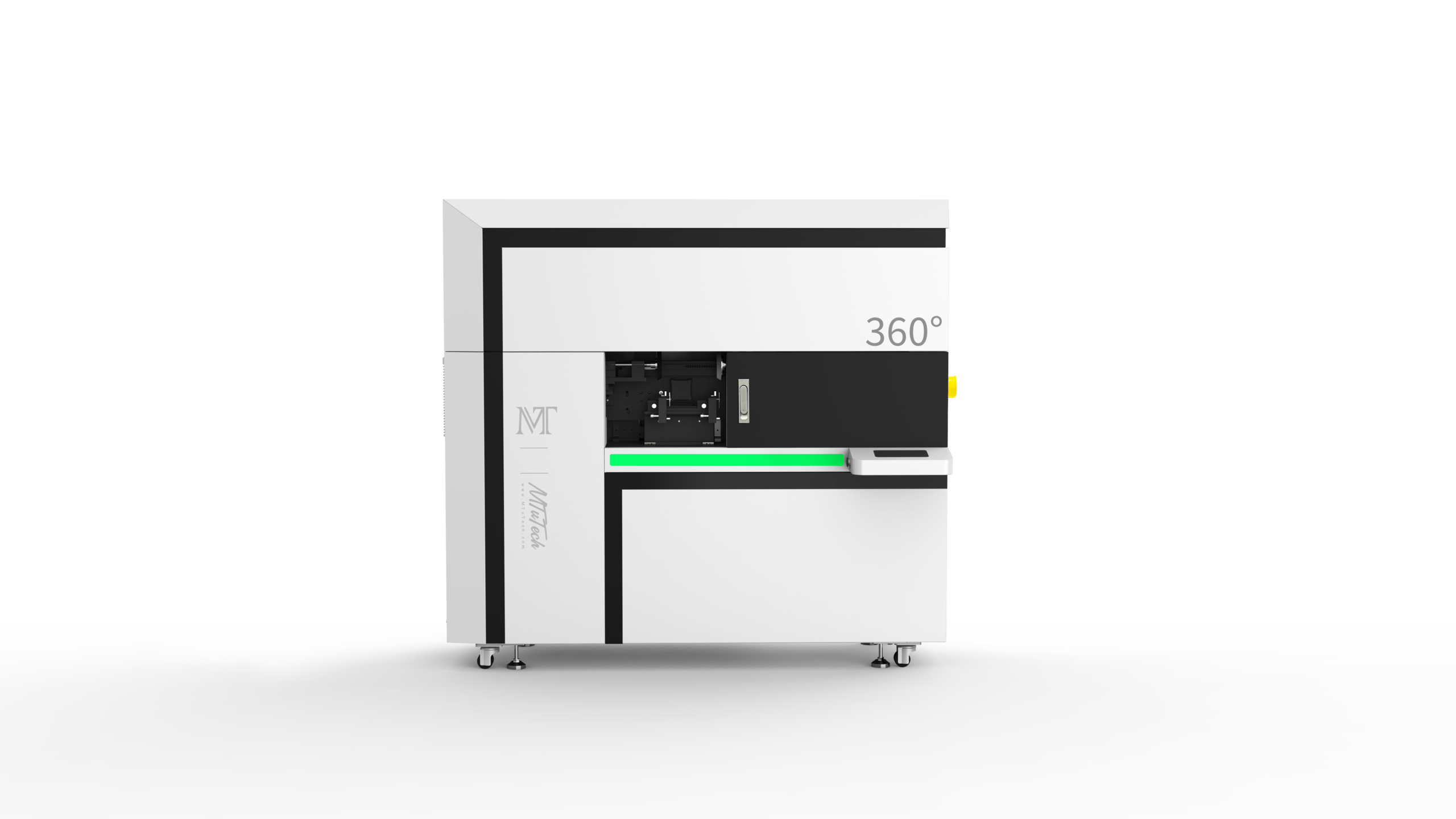
That is why a dedicated 360 rotary UV printer or a UV printer with the right rotary attachment is usually the better answer for conical surface work. The product rotates in sync with the print pass, allowing the artwork to wrap around the object instead of being treated as a flat rectangle.
Best Printer Types for Conical Surface Printing
1. 360 Rotary UV Printer
A 360 rotary UV printer is designed for bottles, tumblers, cups, tubes, and other round products. For conical items, the most important advantage is controlled rotation. The printer can rotate the object while printing, which keeps the image moving in a predictable way. This is especially useful for drinkware businesses that need full-wrap prints, personalized names, logos, and repeat orders.
Choose this route when round products are a core part of your business, not just an occasional request. It is the strongest fit for custom tumbler brands, promotional product suppliers, bottle decorators, packaging sample teams, and print shops that sell personalized drinkware every week.
2. Cylindrical Printer
A cylindrical printer is built for round objects and can be a practical choice when the product mix is mostly straight cylinders with some mild taper. It is often easier to operate than a large industrial setup, which makes it useful for startups and small-batch personalization. If your catalog includes straight bottles, simple cups, cans, and tumblers, a cylindrical printer can cover a wide production range.
The limitation is heavy taper. When the circumference difference is large, artwork compensation becomes more demanding and fixture stability matters more. For that reason, businesses comparing machines should test their real products before buying. A sample on a perfect straight bottle does not prove the machine is ready for your tapered cup catalog.
3. Cylinder UV Printer
A cylinder UV printer is another strong option for drinkware, packaging, and promotional products. The naming can vary by supplier, but the buying logic is similar: check the maximum product diameter, print length, fixture adjustability, curing strength, and whether the machine can handle your actual item shape without slow manual workarounds.
If you produce mostly bottles and tumblers, this category should be compared directly with 360 rotary options. If you also print flat items like acrylic signs, phone cases, gift boxes, and metal panels, you may need a separate flatbed printer or a hybrid workflow.
What Features Matter Most in a Printer for Conical Surfaces?
Many buyers look first at print resolution, but conical work is won or lost by handling accuracy. A machine can advertise high DPI and still produce weak conical prints if the object slips, the rollers are not adjustable, or the operator has to fight the fixture on every order.
Adjustable Rotary Fixture
The fixture should support different diameters and product lengths. For tapered products, the rollers must hold the object securely without forcing it off-axis. A good fixture reduces wobble, protects the product surface, and keeps rotation smooth from the first pass to the last pass.
Stable Height Control
UV printheads require correct distance from the product surface. Too high, and the print can look misty or soft. Too low, and there is risk of head strike. Conical objects make this harder because the height can change across the printable area. Machines with easier height adjustment and clear setup procedures save time and reduce operator mistakes.
White Ink and Varnish Control
Many conical products are dark, stainless, transparent, or colored. White ink becomes important because it supports color brightness. Varnish can add gloss, texture, and premium effects. If you sell personalized tumblers or cosmetic packaging, white ink and varnish control can separate basic output from premium output.
Artwork Compensation
Conical products may need artwork adjustment before printing. The design may have to be slightly warped or positioned so it appears natural once wrapped. This is where RIP software, templates, and production notes matter. A shop that prints repeat orders should save product-specific templates instead of rebuilding files from memory.
UV Curing Strength
Round products often move straight from print to handling, packing, or shipping. The UV curing system must cure ink consistently around the product. Weak curing can create scratch issues, especially on stainless steel, coated plastics, and drinkware that customers handle every day.
Conical Surface Printing Workflow
A clean workflow is more important than a clever one. The best shops keep the steps simple and repeatable so new operators can follow the same process.
- Measure the product. Record top diameter, bottom diameter, height, printable band, and any seam or handle position.
- Check the coating. Stainless steel, plastic, glass, and powder-coated products may need different pretreatment or adhesion checks.
- Create a product template. Mark safe print zones, logo center, seam avoidance, and taper compensation notes.
- Set the rotary fixture. Adjust rollers and supports so the item rotates smoothly without wobble.
- Run a short test print. Use small alignment marks or a partial logo before committing to a full wrap.
- Confirm cure and adhesion. Check scratch resistance after curing and after the product cools.
- Save the setup. Record settings for repeat orders, including height, fixture position, artwork file, and pass mode.
This documentation is not busywork. It is how a shop turns conical printing from a custom experiment into a product line.
How to Avoid Distortion on Tapered Cups and Bottles
Distortion usually comes from one of three causes: the object is not rotating consistently, the artwork has not been prepared for taper, or the printable area is too close to a curve transition. The fix depends on which problem is active.
If text looks stretched near one edge, check the artwork template and the taper compensation. If the seam does not meet, check circumference measurement and rotation calibration. If the print fades on one side, check printhead height and surface distance. If the item slips during printing, review fixture pressure, product balance, and roller contact.
For repeatable drinkware production, avoid placing tiny legal text, QR codes, or very thin lines near the most aggressive taper area. Put the most important logo or name in the most stable print zone. This one design decision can reduce reprints and make customer approvals easier.
Best Products to Sell With Conical Surface Printing
Conical printing has strong commercial value because many popular promotional products are not perfectly straight. A print shop can build packages around these items instead of selling machine time by itself.
- Corporate drinkware: branded travel mugs, event cups, staff gifts, and promotional tumblers.
- Personalized gifts: names, photos, sports team graphics, school designs, and wedding drinkware.
- Cosmetic packaging: short-run jars, tubes, bottles, and prototype containers.
- Food and beverage samples: private-label bottles, reusable cups, and limited-edition packaging.
- Retail merchandise: small batch designs for creators, cafes, gyms, and local brands.
If the business model is drinkware-heavy, also review the tumbler printer page and the tumbler printer startup cost guide. Those pages help connect machine choice to blanks, ink, pricing, and production planning.
Conical Surface Printer vs Tumbler Printer vs Cylindrical Printer
| Machine or Setup | Best For | Main Buyer Check |
|---|---|---|
| Printer for conical surfaces | Tapered cups, uneven bottles, cosmetic containers | Fixture control and taper compensation |
| Tumbler printer | Drinkware personalization and custom cups | Diameter range, speed, white ink, wrap quality |
| Cylindrical printer | Straight bottles, cans, tubes, mild taper | Ease of setup and repeatability |
| 360 rotary UV printer | Full-wrap bottles, tumblers, and production batches | Rotation accuracy and curing consistency |
The best choice depends on your product mix. A shop selling mostly straight bottles may not need the same setup as a brand selling tapered travel cups. A factory marking cylindrical packaging may care more about speed and fixture repeatability. A gifting business may care more about quick artwork changes, photo quality, and easy personalization.
When Should You Choose UV Printing Instead of Labels or Sublimation?
UV printing is attractive because it prints directly onto the object, supports white ink, can handle many rigid materials, and does not require a separate label application step. Compared with labels, direct UV printing can look more premium and avoids label edges. Compared with sublimation, UV can work on more product types and darker surfaces when white ink is used.
Labels still make sense for very high-volume packaging, especially when the design changes rarely. Sublimation still has value for certain coated drinkware where the business already owns the workflow. But for short-run customization, sample packaging, and high-mix product catalogs, direct UV printing gives the shop more flexibility.
For drinkware-specific decisions, compare this guide with UV vs DTF for tumblers. That article explains when UV, DTF, and related decoration methods make sense for durability, cost, and speed.
Buying Checklist for a Printer for Conical Surfaces
Before asking for a quote, prepare a product list and avoid vague requirements. A supplier can recommend a better setup when they know the real objects you plan to print.
- Minimum and maximum diameter of the products.
- Top and bottom diameter for tapered items.
- Maximum product length and printable band height.
- Material type: stainless steel, plastic, glass, ceramic, coated metal, or paperboard.
- Expected daily volume and average order size.
- Need for white ink, varnish, texture, or full-wrap printing.
- Artwork type: logos, photos, QR codes, fine text, gradients, or variable names.
- Whether you also need flatbed printing for boxes, panels, phone cases, or signage.
If you also need flat products, compare a dedicated rotary setup with a flatbed machine such as the UV Printer 9060. If your business handles both rigid flat substrates and roll materials, the hybrid UV printer category may be worth reviewing as part of a wider production plan.
Common Mistakes That Create Reprints
Using a Sample Object That Is Too Easy
A supplier sample on a straight white bottle does not prove performance on your tapered black tumbler. Send the actual product or at least a product with the same taper, coating, and finish.
Ignoring the Seam Area
Full-wrap artwork needs a seam strategy. If the design must meet perfectly, the artwork and rotation setup need tighter control. If the design can hide the seam in a low-visibility area, production becomes easier.
Skipping Adhesion Tests
Conical products are often handled heavily. Drinkware, cosmetic containers, and promotional gifts may be scratched, washed, packed, and shipped. Test adhesion before selling large batches.
Not Saving Setup Notes
Repeat orders should become faster, not harder. Save height settings, fixture setup, artwork templates, curing mode, and product notes for every recurring item.
How MTuTech Product Pages Fit This Workflow
MTuTech has several pages that help buyers compare the right route. Start with the 360 rotary UV printer if bottles and tumblers are the main business. Review the cylinder UV printer and cylindrical printer pages if you want a dedicated round-object workflow. Use the tumbler printer page when the product line is drinkware-focused. If you are building a broader UV print shop, compare these options with the main UV printer range.
The right printer for conical surfaces should reduce handling time, protect print quality, and make repeat orders easier. The strongest buying decision comes from testing real products, not from comparing machine names alone.
FAQ
Can one printer handle both straight cylinders and conical products?
Yes, if the rotary fixture and software workflow support the product range. Mild taper is usually easier. Heavy taper should be tested with your real product before buying.
Do tapered cups need special artwork?
Often, yes. The artwork may need compensation so logos and text look natural after wrapping around a changing diameter.
Is UV printing durable enough for drinkware?
UV printing can be durable when the product coating, ink, curing, and adhesion setup are correct. Always test scratch resistance and handling before selling large batches.
What is the safest first machine for a drinkware startup?
If drinkware is the main product, start by comparing a tumbler printer, cylindrical printer, and 360 rotary UV printer against your exact cups and bottles. The best choice is the machine that handles your real product mix with the least setup friction.
Bottom line: a printer for conical surfaces is not just a printer with a rotary attachment. It is a workflow built around product measurement, stable rotation, artwork compensation, curing, and repeatable setup. Get those pieces right and tapered cups, bottles, and containers can become one of the most profitable parts of a custom UV printing business.