
A UV printer for packaging prototypes gives brands, agencies, and factories a faster way to test boxes, bottles, labels, retail displays, sample kits, and launch packaging before committing to mass production. The value is not only shorter turnaround. The value is better decision making. When a buyer can hold a realistic prototype, review color, test messaging, and compare finishes, the final production order becomes easier to approve.
This guide explains how to use UV printing for short-run packaging samples and prototype workflows. It covers flatbed printing, hybrid UV production, UV DTF transfers, bottle decoration, substrates, white ink, varnish, dielines, sample approval, pricing, and machine selection. It links into MTuTech’s UV printer, hybrid UV printer, UV DTF printer, and applications pages because packaging prototypes often sit between several machine categories.
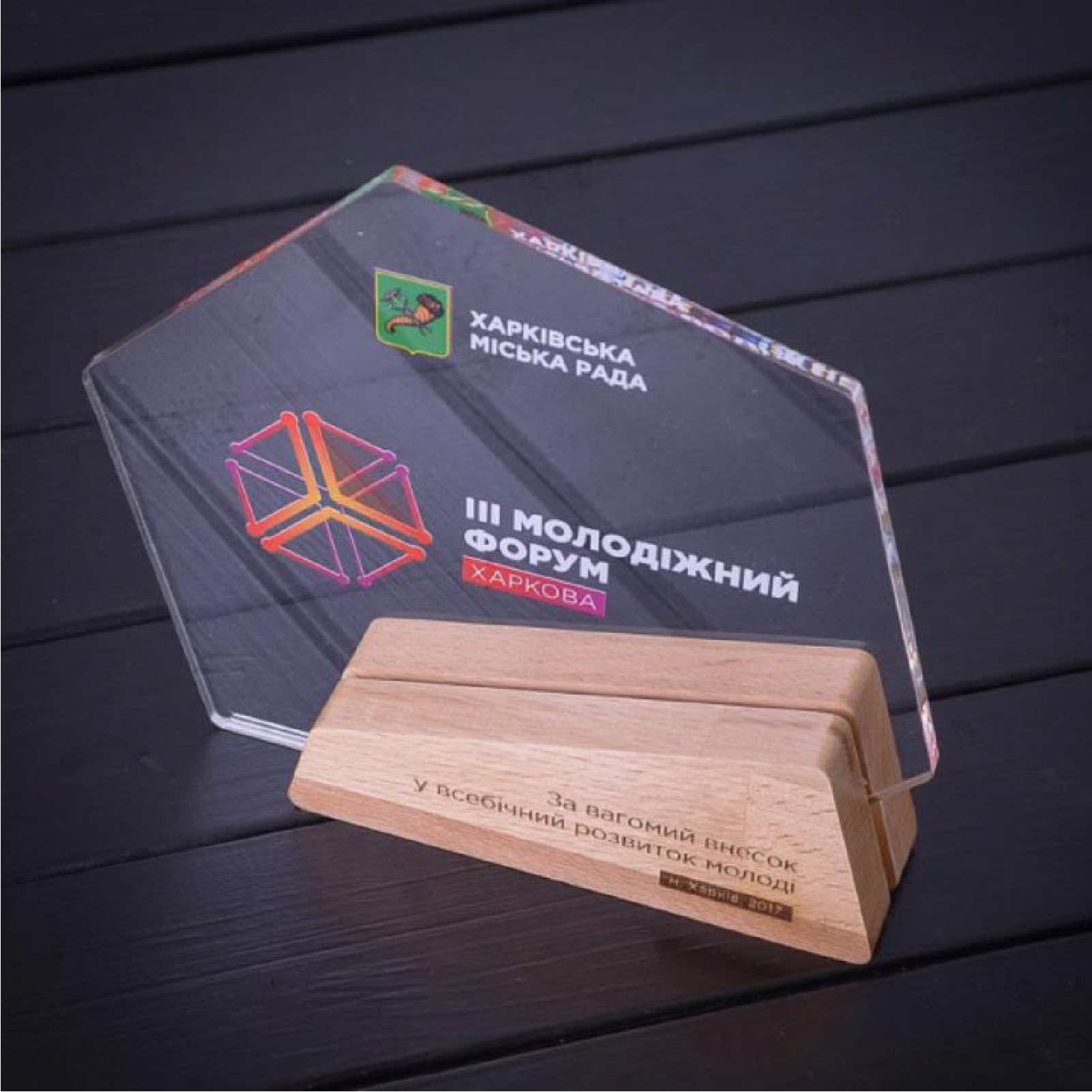
Why Packaging Prototypes Are a Strong UV Printing Use Case
Packaging teams rarely need only one sample. They need options: two logo placements, three finishes, different language versions, limited seasonal artwork, a retail mockup, and a buyer-ready sample for a meeting next week. Traditional packaging production can be too slow or expensive for this stage. UV printing helps because it can decorate rigid sheets, boards, acrylic, coated packaging, sample boxes, and some containers without long setup.
A prototype does not have to behave exactly like a million-unit production run, but it must look convincing enough for decision makers. It should show scale, color direction, finish, layout, branding, and shelf impact. UV printing is useful because it can produce a physical sample with real ink, real texture, and real handling feedback.
Best Packaging Prototype Jobs for UV Printers
- Short-run rigid box samples for product launches and sales meetings.
- Cosmetic packaging mockups, bottle samples, and premium sample kits.
- Retail display boards, shelf talkers, counter displays, and POS materials.
- Branded inserts, acrylic panels, metal tags, nameplates, and limited packaging details.
- Direct decoration tests on glass, acrylic, wood, coated plastic, and metal packaging parts.
- UV DTF transfer samples for hard goods that are hard to print directly.
For flat boards and rigid samples, start with the UV printer and flatbed UV printer application pages. For wider boards, flexible media, and mixed rigid/roll work, review the hybrid UV printer and hybrid UV printer application pages. For transfers and hard-to-fixture pieces, review the UV DTF printer page.
Flatbed UV vs Hybrid UV for Packaging
Flatbed UV printing is strong when the prototype uses rigid sheets, boards, acrylic pieces, mounted samples, wood panels, metal plates, or pre-cut packaging components. It gives the operator a stable bed and accurate placement. A hybrid UV printer makes more sense when the same shop also works with roll media, flexible display material, banners, or wider signage-style packaging assets.
Packaging work often grows in both directions. A brand may ask for a small cosmetic box one day and a retail display panel the next. A shop that wants to serve agencies and brand teams should compare current order types against future production plans before selecting a machine.
| Prototype need | Recommended path | Reason |
|---|---|---|
| Rigid box mockups | Flatbed UV printer | Stable bed for boards, sheets, and direct sample decoration |
| Retail displays | Hybrid UV printer | Useful when boards and roll media are both needed |
| Bottle samples | Cylinder UV printer or 360 rotary UV printer | Round packaging requires controlled rotation |
| Premium hard-good transfers | UV DTF printer | Good for objects that are difficult to fixture directly |
| Short-run sample kits | UV Printer 9060 | Practical bed size for small and medium packaging elements |
Substrate Planning for Packaging Samples
Packaging prototypes can involve coated paperboard, corrugated board, acrylic, PVC, glass, aluminum, stainless steel, wood, PET, and specialty display materials. UV printing can work across many of these surfaces, but the workflow changes by material. Some need cleaning, some need primer, and some need a different print mode or curing setting.
A good prototype workflow starts with a material library. Keep approved samples by material, supplier, thickness, coating, and print setting. That library saves time when a customer asks whether a similar material will work next month.
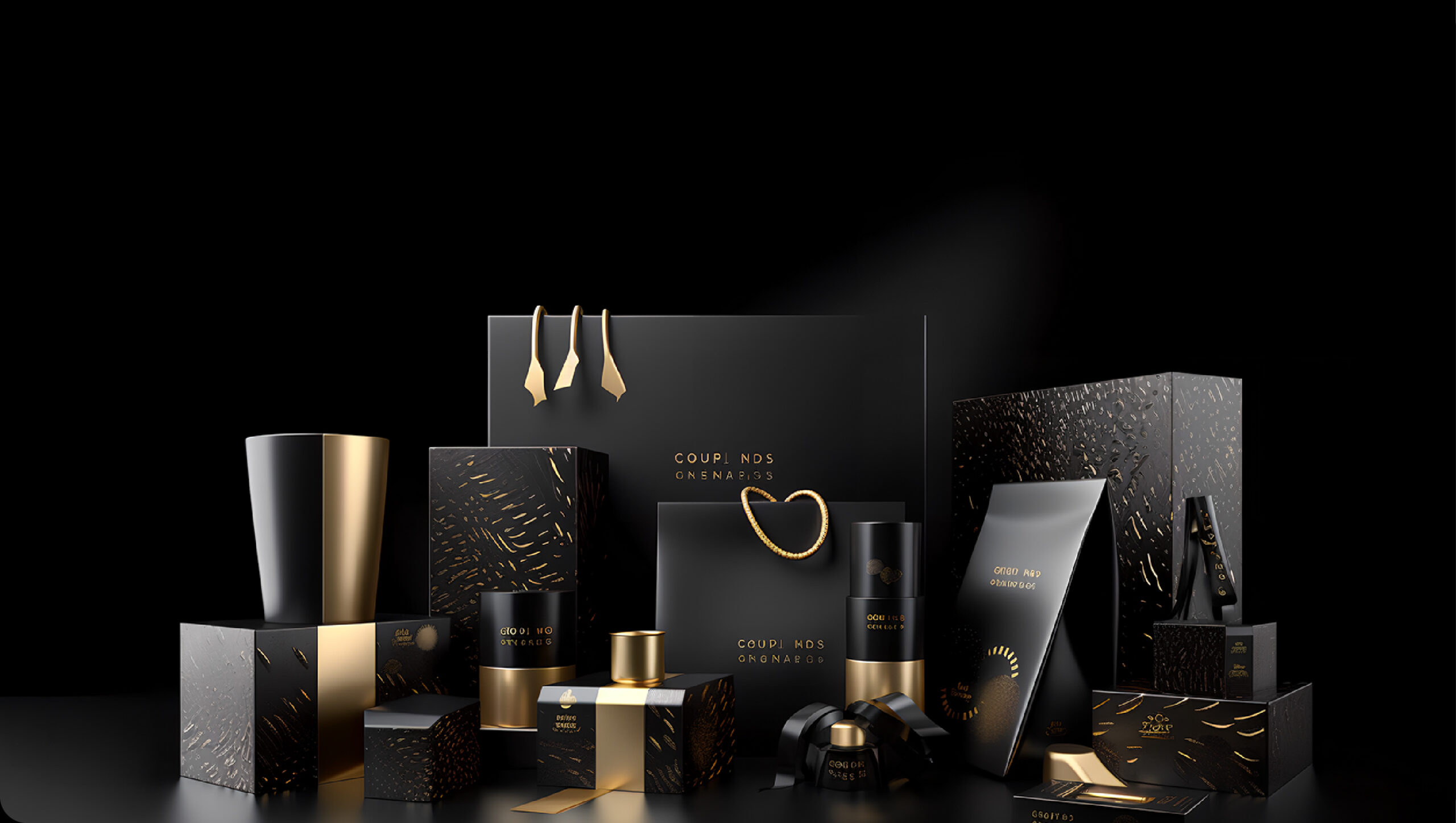
White Ink and Varnish in Packaging Prototypes
White ink is often necessary for clear packaging, dark boards, metallic effects, and transparent labels. Varnish can show gloss, raised texture, spot effects, and premium detail. These are not small visual choices. They affect how the buyer perceives product value on the shelf.
Because white ink requires careful setup, teams should review white ink in UV printers before selling advanced packaging samples. A strong white ink workflow helps prototypes look closer to final production. A weak white ink workflow creates dull colors, uneven opacity, and longer setup times.
Dielines, Bleed, and Safe Zones
Packaging artwork has more production rules than simple flat prints. Dielines must be accurate. Bleed must be present where cuts or folds may shift. Safe zones should protect logos, nutrition panels, QR codes, barcode areas, and small legal text. The printer operator should know whether the sample is only visual or whether it must fold, cut, and assemble like final packaging.
Before printing, separate the artwork into print layer, cut line, fold line, white ink layer, varnish layer, and non-printing notes. This prevents expensive mistakes. A prototype with a perfect front panel but incorrect fold direction can mislead a client and waste the sales meeting.
Color Expectations: Prototype vs Final Production
A UV printed prototype may not match offset, flexo, gravure, or mass-production packaging exactly. That is normal, but it must be explained. The prototype should be treated as a visual and functional approval tool unless the same UV process will be used for final short-run production.
Color management depends on software and profiles, so the RIP software page is important for packaging work. Brand colors should be tested on the actual substrate, not only on a generic white board. If a customer has strict brand standards, print at least one color target or comparison strip with the prototype.
Bottle and Container Prototypes
Packaging is not only boxes. Many buyers need sample bottles, tubes, jars, caps, and containers. Direct printing on cylindrical packaging requires a different workflow from flat boards. Straight containers are easier than tapered bottles, and full-wrap graphics need careful seam planning.
If container decoration is part of the business, compare the cylinder UV printer, 360 rotary UV printer, and tumbler printer pages. For packaging teams that need samples across many object shapes, UV DTF printer transfers can also help test branding on hard goods before a direct-print process is selected.

Sample Approval Workflow
Packaging prototype jobs should have a clean approval process. Start with a digital proof, confirm dimensions and materials, print one internal sample, check alignment and finish, then send or show the client-approved sample. For higher-value work, keep one retained sample in the shop. That retained sample protects both the client and production team if the order is repeated later.
- Confirm final dimensions, print area, and substrate before production.
- Ask whether the prototype is visual only or functional for folding and handling.
- Review white ink and varnish layers separately from CMYK artwork.
- Inspect barcode and QR code readability if they are part of the design.
- Photograph the approved sample under consistent lighting.
- Save print settings with the customer file for repeat work.
Pricing Packaging Prototypes
Prototype pricing should not be based only on square inches. A single packaging sample may require file review, dieline cleanup, substrate testing, white ink setup, varnish testing, cutting, folding, assembly, photography, and client communication. That time should be priced. Otherwise, prototype work becomes busy but not profitable.
Use separate line items for design cleanup, material sourcing, sample printing, finishing, assembly, rush work, and duplicate copies. If the customer later orders a larger short run, the prototype setup cost can be partly credited or rolled into the production quote. This makes the initial prototype feel valuable without giving away skilled labor.
How UV Printing Supports Short-Run Packaging
Some prototype jobs become short-run packaging orders. A brand may need 100 boxes for a launch event, 250 sample kits for distributors, or 500 limited-edition panels for a retail test. UV printing can support these jobs when the material, finish, and handling requirements match the machine.
Short-run packaging is attractive because customers value speed and customization. The shop should still set boundaries. Define maximum sheet size, thickness, material types, finishing options, and lead times. A clear scope protects quality and keeps the production team from accepting packaging jobs that belong in a different process.
Packaging Prototype Content That Can Rank
This topic supports commercial search intent around packaging samples, short-run packaging, prototype printing, and product launch workflows. Internally, it should link to UV printers, hybrid UV printers, UV DTF printers, printer applications, machine comparison, and contact for quote requests. That structure helps the blog guide readers toward buying pages instead of staying isolated.
Operational Notes for Packaging Teams
Packaging prototype work can look simple from the outside, but it is detail-heavy inside the shop. Materials bend, coatings behave differently, folds shift artwork, and brand colors expose small color errors. The operator should treat packaging samples like buyer-facing sales tools, not casual test prints.
Create a job ticket that includes substrate, thickness, final size, print mode, color notes, white ink rules, varnish rules, finishing steps, and approval status. This job ticket makes the workflow repeatable and helps a sales team quote similar projects with more confidence.
A Practical Agency and Brand Workflow
Many packaging prototype customers are not machine buyers at first. They are brand teams, agencies, product managers, distributors, and startup founders who need to see an idea before they approve a bigger budget. The workflow should be built for that type of buyer. Ask for the product goal, shelf environment, expected material, target quantity, deadline, and whether the prototype is for internal review, retail presentation, investor pitch, or production testing.
Those questions change the job. An internal concept sample may only need visual accuracy. A retail buyer sample needs cleaner finishing and stronger presentation. A production test may need closer material matching and handling tests. A prototype for photography may need perfect front-facing graphics but may not need full functional assembly. Clarifying this upfront prevents overbuilding cheap samples and underbuilding important ones.
From Prototype to Short-Run Production
The best packaging prototype customers often become short-run customers. After the first sample is approved, they may need a small market test, influencer kit, distributor launch, seasonal package, or trade-show batch. This is where UV printing can move from sampling into revenue. The shop should be ready with pricing for 25, 50, 100, 250, and 500 units where the material and finishing process makes sense.
Not every prototype should become a UV production order. If the final run is extremely high volume, another process may be better. But UV printing can still win the prototype, the launch batch, the personalized version, and the urgent short run. That makes the relationship valuable even when mass production moves elsewhere.
What to Photograph for SEO and Sales
Packaging work creates useful visual assets. Photograph the flat printed sheet, the assembled sample, close-ups of white ink and varnish, side views showing thickness, and the sample in a retail-style context. These images can support future blog updates, case studies, product pages, social posts, and quote conversations. Good photos also help Google understand the page when alt text describes the actual prototype work.
The image alt text should be specific. Instead of using a vague phrase such as image title, describe the subject: UV printed cosmetic packaging prototype, hybrid UV printer producing product sample boxes, or UV DTF transfer sample for premium packaging. Specific alt text supports accessibility and reinforces topical relevance without stuffing keywords unnaturally.
How to Handle Confidential Packaging Projects
Packaging prototypes often involve unreleased products, new formulas, private labels, or seasonal campaigns. That means the print shop should treat files and samples carefully. Use clear job names internally, limit unnecessary sharing, and ask whether the client allows finished samples to be photographed. Some projects can become public case studies later, but many should stay private until the launch date.
This matters operationally as well. If a client does not allow photography, the shop still needs internal records. Keep private setup photos, material notes, print settings, and approved sample references in a controlled folder. These records help repeat the job without exposing the customer’s launch plan. Professional handling of confidential prototypes can turn one sample order into a longer agency or brand relationship.
When to Recommend a Machine Instead of a Service
Some readers will not be looking for a packaging prototype service. They will be evaluating whether to bring prototype printing in-house. The article should speak to them too. If a brand team produces frequent samples, tests many SKUs, or waits too long for outside vendors, owning a UV printer can shorten the product development cycle. If prototype demand is occasional, outsourcing may still make sense.
This is where MTuTech can guide the buyer toward machine comparison and expert consultation. The right recommendation depends on sample frequency, material range, available floor space, operator skill, and whether the same machine will also handle short-run production.
Common Mistakes to Avoid
Using the Wrong Substrate
A prototype printed on the wrong material can mislead the customer. Use a substrate close to the final decision whenever possible.
Forgetting Fold and Cut Behavior
Packaging samples are handled, folded, assembled, and reviewed from multiple angles. Test the physical behavior, not only the print surface.
Treating White Ink as Automatic
White ink has to be planned in the file and controlled in production. It affects opacity, cost, speed, and maintenance.
Not Saving Approved Settings
If the client returns, the team should not rebuild the job from memory. Save files, settings, and sample photos.
FAQ
Can a UV printer be used for packaging prototypes?
Yes. UV printers are useful for rigid packaging samples, boards, display pieces, acrylic panels, coated materials, and some containers. The best machine depends on material and shape.
Is a flatbed or hybrid UV printer better for packaging?
Flatbed UV printers are strong for rigid sheets and sample components. Hybrid UV printers are better when the shop also needs roll media or wider mixed production.
Can UV printing replace mass packaging production?
For prototypes and short runs, yes in many cases. For very high-volume packaging, other processes may be more economical. UV printing is strongest for speed, customization, samples, and premium short runs.
Do packaging prototypes need white ink?
Many do, especially on clear, dark, metallic, or colored materials. White ink helps colors remain bright and readable.
Bottom line: a UV printer for packaging prototypes can help MTuTech attract commercial buyers who need speed, sample quality, and flexible short-run workflows. The post should strengthen the cluster around UV printer, hybrid UV printer, UV DTF printer, and applications while giving readers a real process they can use.