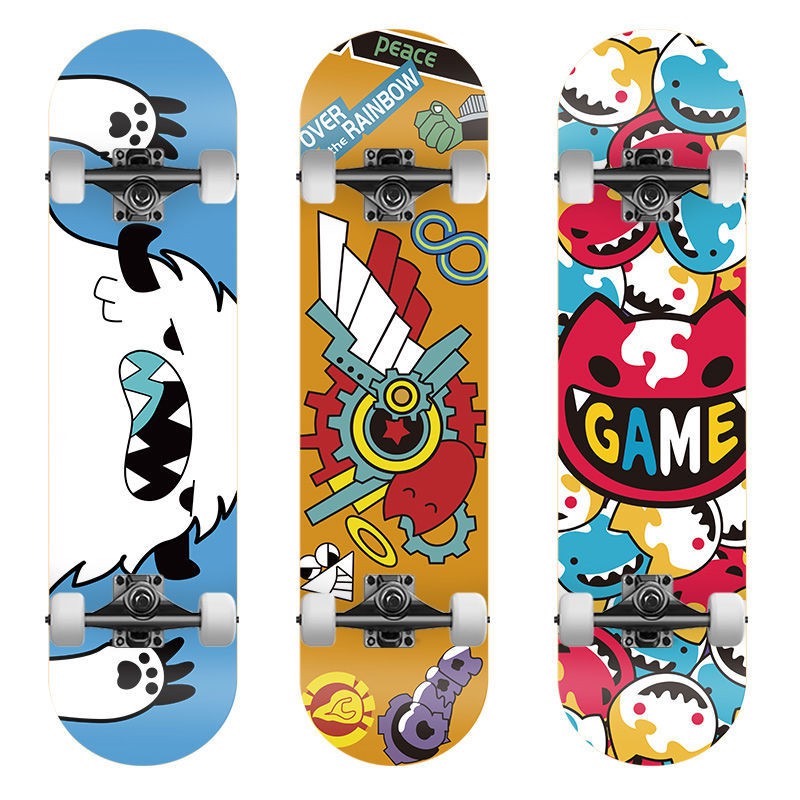
Round-product printing has several overlapping search terms: cylinder UV printer, cylindrical printer, tumbler printer, bottle printer, cup printer, and 360 rotary UV printer. Buyers often use these terms as if they mean the same thing, but the intent behind them can be different. A drinkware seller searching for a tumbler printer may not need the same machine as a packaging supplier searching for a cylinder UV printer. A startup looking for a compact cylindrical printer may not need the same workflow as a high-output bottle decoration shop. This overlap matters for both buyers and SEO. From a buyer perspective, choosing …
-768x432.png)
A 360 rotary UV printer is built for one of the hardest jobs in direct-to-object printing: printing around a round product without losing alignment, color consistency, or edge quality. Bottles, tumblers, cups, cosmetic containers, cans, and cylindrical packaging are valuable products, but they are also unforgiving. If the artwork drifts, the seam is visible. If the product slips, the print looks distorted. If the fixture is weak, repeat orders become slow and risky. That is why buyers should evaluate a rotary printer as a production system, not only as a machine that can spin an object. The right system needs …

A UV printer 9060 is often the point where a print business moves from hobby-size work into commercial direct-to-object production. The bed is large enough for signs, panels, trays of small products, packaging blanks, promotional items, and repeatable fixture work, but it is still compact enough for a small shop, sampling room, or in-house customization department. That balance is why the 9060 format matters. It gives buyers a practical way to serve more product types without jumping straight into a large industrial flatbed. The challenge is that many buyers compare UV printers only by machine size and price. That is …
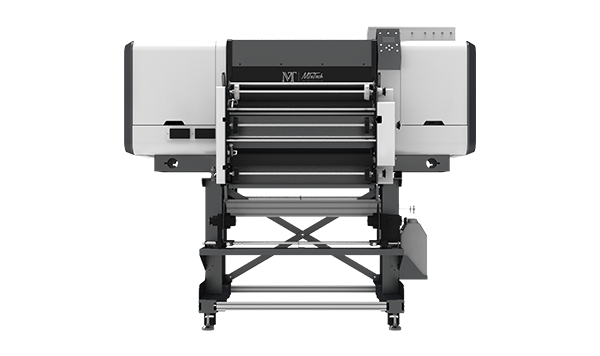
A practical UV DTF printer workflow for foil labels and hard-surface transfers: film, ink, varnish, lamination, curing, quality checks, and ROI.