
Cylinder UV Printing: The Complete Business Guide for High-Profit Custom Printing
Introduction
The demand for customized products is exploding across industries. From branded bottles and mugs to industrial pipes and promotional tumblers, businesses today want high-quality printing on cylindrical objects. This is where Cylinder UV Printing has emerged as one of the most powerful and profitable technologies in modern printing.
Unlike flat surfaces, cylindrical objects are traditionally difficult to print on using standard machines. Earlier methods like screen printing or pad printing had serious limitations — low resolution, limited colors, slow speed, and high setup costs.
Cylinder UV printing has completely changed this landscape by allowing direct high-resolution digital printing on round and curved objects, with instant curing, long-lasting durability, and full-color output.
Today, cylinder UV printers are being used by:
- Promotional product manufacturers
- Beverage brands
- Cosmetic companies
- Industrial component suppliers
- Corporate gifting businesses
- Small entrepreneurs and startups
This article will give you a complete business-level understanding of:
- What cylinder UV printing is
- How it works
- Applications across industries
- Profit potential
- Why it’s one of the best investments in the printing industry today
What is Cylinder UV Printing?
Cylinder UV printing is a specialized form of UV digital printing designed specifically for round and cylindrical objects.
Instead of printing on flat sheets, this technology uses a rotary attachment or rotating fixture that spins the object while UV ink is applied and instantly cured using UV LED lamps.
This allows perfect printing on objects like:
- Bottles
- Mugs
- Tumblers
- Glass jars
- Pipes
- Thermos flasks
- Candles
- Cosmetic containers
- Metal cylinders
The biggest advantage is that the print is:
- Fully digital
- Full color (CMYK + White + Varnish)
- Scratch resistant
- Waterproof
- Fade resistant
How Cylinder UV Printing Works
The process is surprisingly simple but extremely powerful.
Step 1: Object Placement
The cylindrical product is mounted on a rotary jig or holder.
Step 2: Automatic Rotation
The printer rotates the object smoothly at controlled speed.
Step 3: Ink Application
UV ink is sprayed precisely on the surface.
Step 4: Instant Curing
UV LED lamps cure the ink immediately.
Step 5: Ready Output
The product is ready to use instantly — no drying time.
This entire process takes 30 seconds to 2 minutes per product depending on size and design.
Why Cylinder UV Printing is a Game-Changer
1. No Pre-Setup Cost
Unlike screen printing:
- No screens
- No plates
- No chemicals
- No minimum quantity
You can print even 1 piece profitably.
2. Full Customization
You can easily print:
- Names
- Logos
- Photos
- QR codes
- Barcodes
- Unique serial numbers
This makes it perfect for personalized products and branding.
3. Premium Print Quality
Cylinder UV prints offer:
- High resolution
- Smooth gradients
- Sharp text
- 3D raised effects with varnish
The finish looks luxury and professional.
4. Extremely Durable
UV-cured ink is:
- Waterproof
- Scratch resistant
- UV resistant
- Chemical resistant
Ideal for:
- Outdoor bottles
- Industrial usage
- Long-term branding
5. Works on Almost Any Material
Cylinder UV printers can print on:
- Glass
- Plastic
- Stainless steel
- Aluminum
- Wood
- Acrylic
- Ceramic
- Leather
This gives you unlimited product categories.
Top Applications of Cylinder UV Printing
1. Promotional Products Industry
This is the biggest market.
Printed products include:
- Corporate bottles
- Custom mugs
- Event gifts
- Festival merchandise
- Brand hampers
Companies pay premium pricing for customized gifts.
2. Beverage & FMCG Brands
Used for:
- Sample bottles
- Limited edition packaging
- Product launches
Short-run branding is a massive opportunity.
3. Cosmetic & Pharma
Perfect for:
- Perfume bottles
- Serum containers
- Cream jars
- Medicine packaging
Cylinder UV ensures non-fading medical-grade prints.
4. Industrial Components
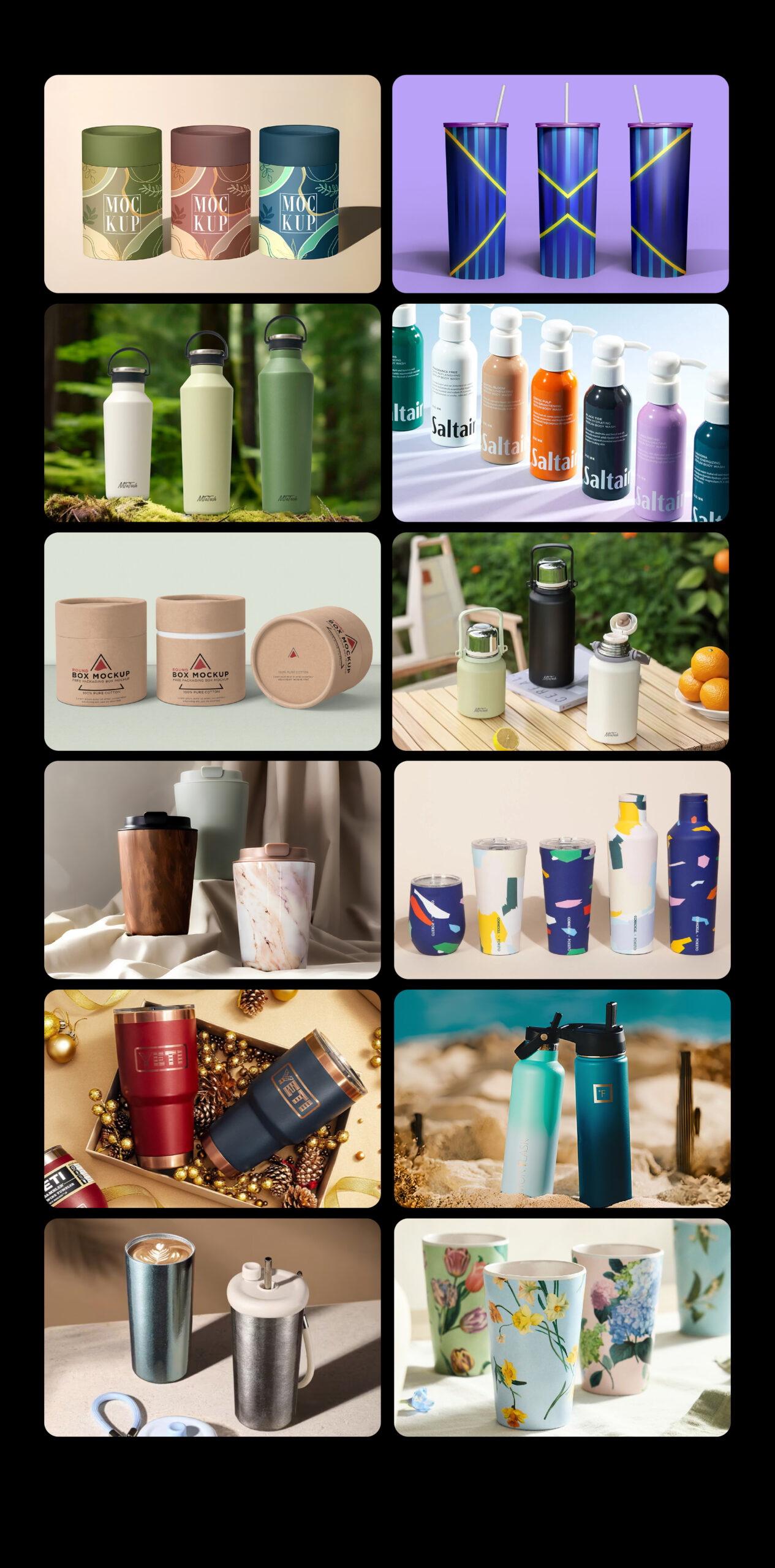
MTuTech production notes for cylinder UV printer
For buyers comparing cylinder UV printer options, the strongest ranking signal is not only the definition of the process. The page should also explain machine fit, production limits, material behavior, ink or fixture requirements, and the next page a buyer should read before requesting a quote.
Best machine fit
Use this guide together with Cylinder UV Printer when the job requires stable UV output, repeatable setup, and production-ready print quality. If the work involves different shapes, materials, or order sizes, compare it with 360 Rotary UV Printer before choosing the final printer.
Production checklist
- Confirm the printable area, part height, and fixture or rotary requirements before quoting the job.
- Match ink, primer, and curing settings to the substrate so adhesion and scratch resistance are predictable.
- Standardize artwork preparation, white ink layers, and test prints before moving into batch production.
- Track production cost by ink use, setup time, rejects, and finishing steps instead of looking only at printer price.
Related MTuTech resources
FAQ
Which MTuTech printer should this article connect to? The best next page depends on the material, shape, and production volume. Flat products usually start with UV printer or UV Printer 9060 pages, while bottles, tumblers, and round products should connect to rotary, cylinder, tumbler, or cylindrical printer pages.
What should buyers check before ordering? Buyers should confirm print size, material compatibility, white ink needs, fixture design, curing performance, maintenance expectations, and whether the workflow supports repeatable production rather than one-off samples only.
Used for:
- Machine pipes
- Electrical parts
- Control cylinders
- Barcode labels
Industries need long-lasting identification prints.
5. Interior & Décor
Used for:
- Candle holders
- Decorative jars
- Art bottles
- Personalized gifts
High margin, low competition niche.
Cylinder UV Printer vs Traditional Methods
| Feature | Screen / Pad Printing | Cylinder UV Printing |
|---|---|---|
| Setup cost | High | Zero |
| Minimum quantity | 100+ | 1 |
| Colors | Limited | Unlimited |
| Speed | Slow | Fast |
| Customization | Difficult | Easy |
| Durability | Medium | Very high |
| Profit margin | Low | High |
Business Profit Potential
This is where cylinder UV printing becomes crazy powerful.
Example Business Math:
Cost to print 1 bottle:
- Ink + power: ₹10–₹20
Selling price:
- ₹150 to ₹500 per bottle
Gross margin:
- 300% to 1000%
Even with small volumes:
- 10 orders/day = ₹3000–₹8000 profit
- 30 days = ₹90,000+ monthly income
And this is from one machine.
Who Should Invest in Cylinder UV Printing?
Cylinder UV printing is ideal for:
- Printing business owners
- Promotional product sellers
- Digital marketers
- Branding agencies
- Corporate gift suppliers
- E-commerce sellers
- Small entrepreneurs
If your goal is:
- High margin
- Low manpower
- Scalable business
- Online + offline clients
This is one of the best machines to own.
Common Mistakes to Avoid
Many beginners fail because of:
- Buying cheap low-support machines
- Not learning color management
- Using low-quality UV ink
- Not targeting niche markets
- Competing only on price
Cylinder UV is not a volume game.
It’s a value game.
How to Build a Successful Cylinder UV Business
1. Pick One Strong Niche
Don’t try everything. Start with:
- Corporate gifting
- Bottle printing
- Event merchandise
Dominate one category first.
2. Build Online Presence
Use:
- Instagram reels
- WhatsApp catalog
- Google Business Profile
- Website portfolio
Most orders today come from online leads.
3. Offer Personalization
Names, photos, packaging — this is where real money is.
4. Partner with Agencies
Digital marketing agencies and event planners bring bulk work without marketing cost.
Future of Cylinder UV Printing
The future is extremely bright because:
- Brands want personalization
- Short-run packaging is increasing
- Corporate gifting is booming
- E-commerce needs unique products
- Industrial labeling is mandatory
Cylinder UV printing is becoming a standard manufacturing tool, not just a printing machine.
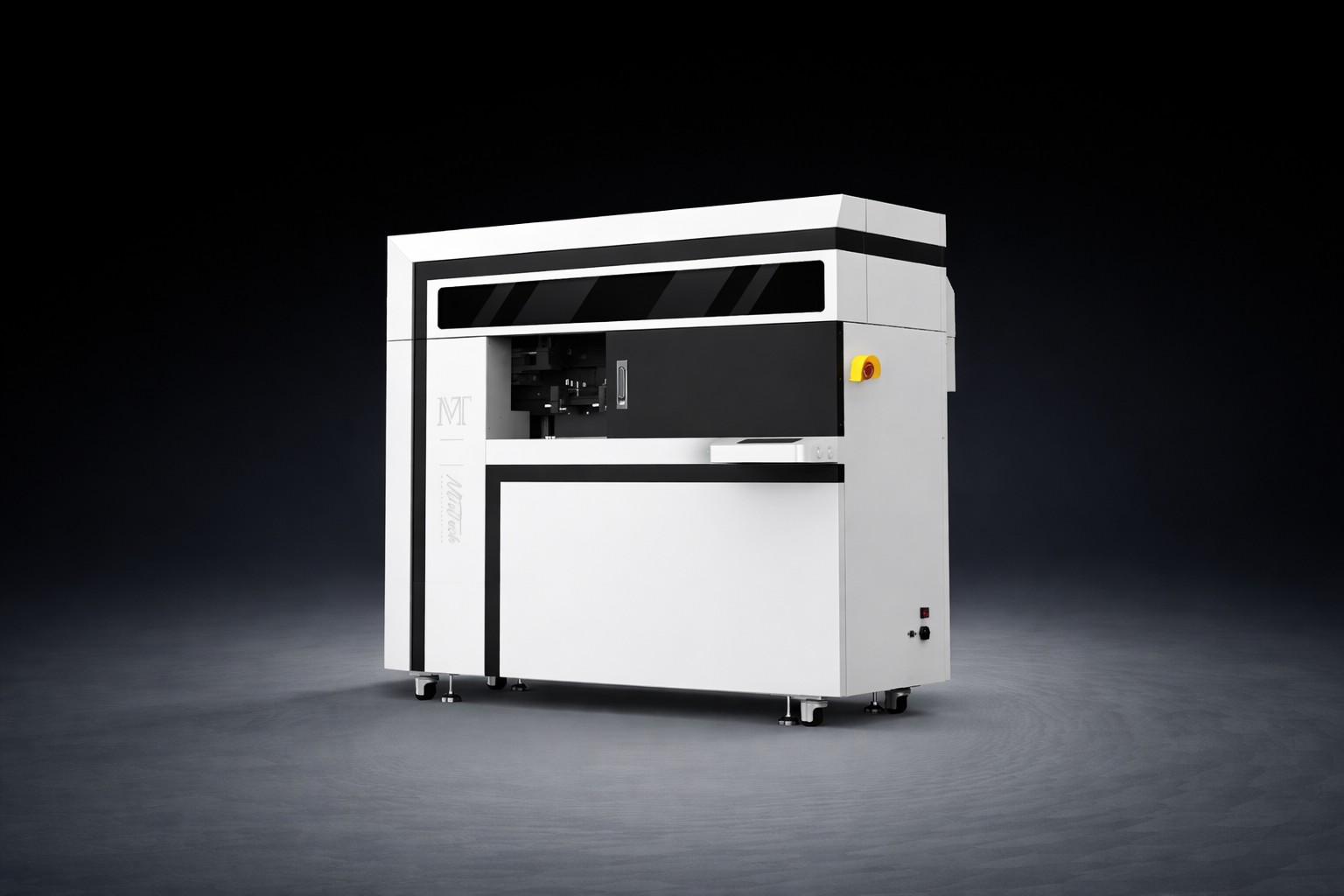
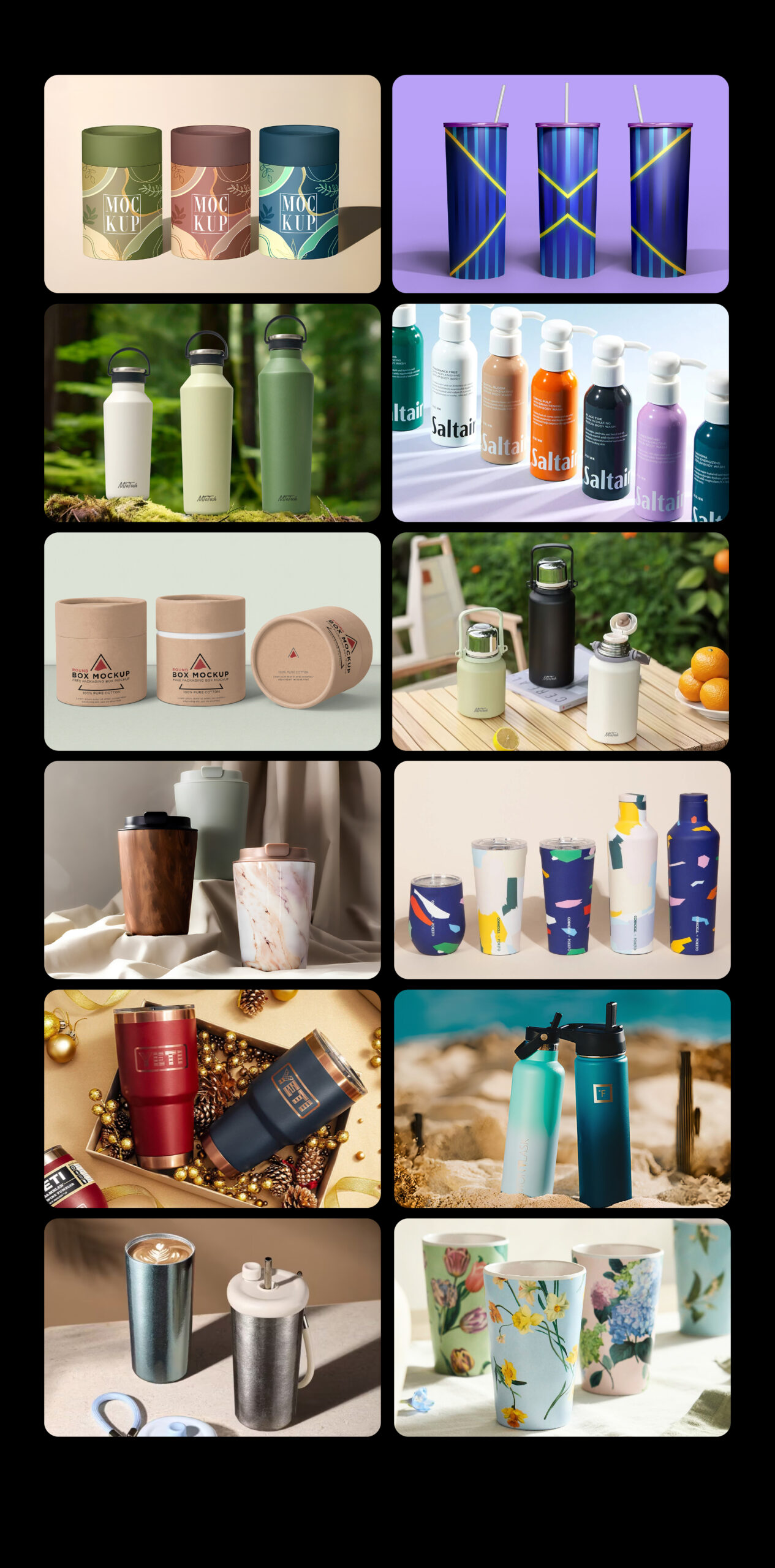
Cylinder UV Printer Buyer Matrix
Buyers searching for cylinder UV printing often use several phrases for the same commercial problem: bottle printer, tumbler printer, cylindrical printer, 360 rotary UV printer, and cylinder UV printer. The best machine depends on the shape, diameter range, artwork coverage, and expected order volume. A simple bottle logo workflow is not the same as full-wrap tumbler production or tapered conical cup printing.
| Product type | Best MTuTech path | Reason |
|---|---|---|
| Straight bottles, jars, tubes, and cans | Cylinder UV printer | Designed for controlled rotation and repeatable round-object alignment. |
| Stainless steel drinkware and full-wrap tumblers | Tumbler printer | Useful when drinkware is the primary product category. |
| Full-circle bottle and cylindrical product decoration | 360 rotary UV printer | Best when full-wrap coverage and rotation accuracy are critical. |
| Mixed flat and round product catalog | Machine comparison | The buyer may need flatbed UV plus rotary support rather than a single-purpose setup. |
Setup Records That Protect Repeat Orders
Round-object printing becomes profitable when repeat jobs can be reproduced quickly. Every approved product should have a saved setup sheet with diameter, printable length, fixture pressure, rotation speed, curing setting, white ink layer, artwork placement, and sample photo. Without these records, the operator wastes time rediscovering settings for every reorder.
This is especially important for beverage brands, cosmetic jars, candle packaging, promotional tumblers, and industrial tubes. The first sample should not only look good; it should prove that the machine can repeat the same output across the full batch. That is why cylinder UV content should link directly to the cylindrical printer, cylinder UV printer, and 360 rotary UV printer commercial pages.
Cylinder UV Printing Quality Checklist
Quality control for cylindrical products is different from flatbed UV printing. The operator must watch rotation, seam overlap, diameter consistency, product slip, curing, white ink density, and artwork distortion. A flat product can often be checked with a ruler and visual alignment. A round product needs inspection across the full circumference because a small setup error can become obvious at the seam.
- Check diameter range and whether the product is straight, tapered, or irregular.
- Confirm printable length and safe distance from lips, caps, handles, and raised edges.
- Run adhesion and rub tests before approving a commercial batch.
- Inspect seam alignment under normal light and bright inspection light.
- Save the setup record so repeat orders do not depend on operator memory.
How to Position Cylinder UV Printing for Buyers
Cylinder UV printing should be presented as a commercial production category, not only as a novelty. Promotional agencies can sell branded bottles and tumblers. Cosmetic brands can test jars and tubes. Beverage companies can create limited-run packaging. Industrial suppliers can mark cylindrical components. The value is strongest when the buyer has repeat products, approved artwork, and a clear sales channel.
For MTuTech SEO, this guide should sit between educational searches and commercial machine pages. It should answer what cylinder UV printing is, then guide visitors toward cylinder UV printer, cylindrical printer, tumbler printer, and contact MTuTech based on the product shape.
Buyer Questions Before Requesting a Cylinder UV Quote
The buyer should prepare product diameter, printable height, material type, expected order quantity, artwork coverage, and durability requirements. A supplier cannot recommend the correct cylinder machine from the word bottle alone. A straight bottle, tapered cup, stainless tumbler, glass jar, and cosmetic tube can all require different handling considerations.
Buyers should also ask whether the workflow needs full-wrap printing, spot logos, variable names, or batch personalization. Full-wrap work puts more pressure on seam control and rotation accuracy, while spot logos put more pressure on placement repeatability. These details help match the buyer to the right MTuTech product path.
Cylinder UV Content and Backlink Targeting
For authority building, round-product anchor text should be distributed carefully. Broad anchors such as cylinder UV printer, cylindrical printer, 360 rotary UV printer, bottle printer, and tumbler printer should point to the most relevant commercial page, not always to the same article. This guide can receive informational anchors like cylinder UV printing guide or bottle printing workflow, while the money pages receive buyer-intent anchors.
That distinction helps the site build topical depth without confusing Google about which URL should rank for commercial terms. The guide explains the workflow; the product pages should convert the buyer.
Commercial Packaging and Promotional Use Cases
Cylinder UV printing is especially useful when a business needs short-run packaging or promotional products without large setup costs. A cosmetic brand can test printed jars before committing to mass production. A beverage startup can create launch samples for events. A corporate gift supplier can personalize drinkware for small batches. A packaging studio can create bottle and tube mockups for approval meetings. These use cases are valuable because the customer often pays for speed, personalization, and premium presentation.
The sales message should connect the machine to those outcomes. Instead of saying the printer works on bottles, the page should explain how it helps buyers produce branded bottles, sample tubes, limited-run packaging, promotional drinkware, and repeatable cylindrical products. That language strengthens both user intent and topical relevance. It also gives the commercial product pages clearer support signals for future ranking growth and better internal authority flow.
Final Thoughts
Cylinder UV printing is not just another printer.
It is a full business model.
With one machine, you can:
- Serve multiple industries
- Offer premium services
- Charge high margins
- Build a scalable brand
- Work from small space
- And generate consistent income
In today’s market, where customization is king:
Cylinder UV printing is one of the smartest and most future-proof investments in the entire printing industry.
Related MTuTech cylinder UV printer pages
Cylinder UV printing overlaps with tumbler, rotary, and cylindrical printer searches. The internal link path below separates each intent so the right commercial page can rank for the right keyword.
- Cylinder UV Printer for bottles, tubes, cans, cosmetic packaging, and broad cylinder-object applications.
- 360 Rotary UV Printer for full-wrap rotary production and seam-control workflows.
- Tumbler Printer for drinkware-specific buyer intent.
- Cylindrical Printer for compact round-product printer research.
- Cylinder UV printing workflow checks
- Cylinder UV printing depends on more than whether the object is round. The operator must control diameter, surface coating, rotation speed, printable area, artwork seam position, and how repeatable the fixture is. Bottles, tumblers, cosmetic tubes, cans, and jars may all need different holding methods even when they look similar from a keyword perspective.
- Check these before choosing a machine
- Minimum and maximum product diameter.
- Whether the job needs full-wrap printing or partial logo placement.
- Surface material, coating, and ink adhesion requirements.
- Fixture stability for repeat orders and batch production.
- Whether the business needs a dedicated cylinder UV printer or a broader rotary UV workflow.
- This is why internal linking matters. Buyers searching broadly for cylinder UV printing should reach the Cylinder UV Printer page, while buyers focused on full-wrap rotary work should compare the 360 Rotary UV Printer.
- Cylinder UV printing sample approval checklist
- Before approving a cylinder UV printing order, print one sample at the real diameter, coating, and artwork width. Check the seam, color density, white ink coverage, edge sharpness, and whether the product slips during rotation. This protects the shop from approving a sample that looks good on one bottle but fails across a batch.
- For repeat customers, keep a saved setup sheet for every bottle, tumbler, jar, or tube. Record diameter, printable length, fixture pressure, rotation speed, curing setting, and artwork notes. That record shortens setup time and helps operators repeat the same result when the order comes back.