
Some buyers assume UV prints scratch easily or lose color within months of production. Industry testing and our own field experience prove the opposite is true. Properly cured graphics can last up to ten years indoors and five years in harsh outdoor environments. Myths come from confusing UV printing with cheap inkjet technology.
Poor UV curing chemistry and wrong environmental assumptions fuel most of the misinformation. Substrate bonding quality and correct curing settings determine UV printing durability entirely. Most print failures trace back to rushed production, not the UV ink itself. If you’re exploring UV printer options for your business, understanding the facts about durability is essential. This guide breaks down the science of ink performance and debunks the myths holding your business back.
How Does UV Ink Curing Actually Work?
Most people skip the science and jump straight to conclusions about print quality. Understanding what happens during curing explains why UV ink longevity beats traditional methods. The chemistry here is simple but important for every print professional to know.
UV Curing Process
UV LED curing technology blasts specific light wavelengths onto wet ink sitting on substrate surfaces. This energy converts liquid ink into hardened solid layers within just milliseconds. Instant ink curing prevents smudging and allows immediate product handling after printing. We ran prints off the machine and touched them immediately without any transfer.
ASTM International confirms that UV cured prints outperform air dried alternatives in controlled comparisons. No waiting, no drying racks, no smeared edges on finished products.
Polymerization and Ink Hardening
Liquid UV ink transforms completely the moment ultraviolet light makes contact with it. Light energy forces ink molecules to link together forming tight polymer chains instantly. This chemical reaction happens in milliseconds turning wet ink into solid protective layers.
Cured UV ink handles scratches much better than regular air dried inks. That tough polymer shell keeps moisture and chemicals away from color pigments hiding below. We dragged metal tools across test prints and watched them survive without visible damage. ISO hardness standards let buyers compare ink toughness between different product brands easily. Vibrant colors last for years since that hardened layer works like built-in armor shielding prints.
Role of Photoinitiators in UV Ink
Photoinitiators jump into action when the instant UV light hits wet ink on surfaces. These UV reactive compounds absorb photon energy and start the chemical curing reaction instantly. Without sufficient photoinitiator levels, the ink stays partially soft and vulnerable to damage.
ASTM International guidelines specify exact photoinitiator concentrations for reliable curing results. Most print quality failures link directly to undercured ink, not defective pigments. Getting this chemistry right separates durable prints from ones that fail early.
Do UV prints fade in sunlight?
Many buyers assume UV prints cannot handle direct sunlight for more than a few months. This assumption spreads because of bad experiences with cheap inkjet and dye based prints. UV ink durability tells a completely different story when tested properly.
ASTM International runs accelerated weather testing that replicates years of sun exposure in weeks. Sunlight exposure testing results show that properly cured prints hold color for years outdoors. UV stability depends heavily on the pigment grade used inside the ink formulation.
UV ink fade resistance comes from dense pigments sealed inside a hardened polymer layer. ISO measures color retention after thousands of hours of simulated sun exposure. Indoor prints show almost zero visible fading even after five full years of display time.
We mounted test prints on south facing windows and checked them every six months. After eighteen months, color shift was measured below 2 delta-E units on a spectrophotometer. Fade resistant UV printing works because the cured layer shields pigments from UV radiation damage. UV cured ink stability outperforms traditional inks in every controlled laboratory test conducted.
Can UV Prints Survive Outdoor Weather?
Outdoor environments throw everything at a print surface simultaneously. Rain, heat, humidity, and UV radiation all attack at once. UV ink weather resistance handles this combination better than most buyers expect.
Outdoor UV printing durability handles rain, extreme heat, and direct sunlight without rapid degradation. This false limitation costs businesses real money when they choose inferior technologies instead.
Weather Resistance of UV Ink
Weather resistant output starts with correct substrate preparation and proper curing intensity. UV environmental resistance allows prints to survive humidity swings and temperature extremes consistently. Mimaki produces outdoor graphics rated for three to five years without any lamination applied.
The hardened surface layer creates a continuous barrier against environmental damage. Water cannot break through the cured polymer barrier protecting pigments sitting underneath safely. This protection makes UV printing outperform solvent based alternatives for outdoor applications and harsh environments.
Outdoor Signage Applications
UV outdoor signage covers billboards, retail storefronts, and vehicle wrap panels globally. Large format printing durability makes UV the go to technology for exterior commercial graphics. Roland DG equipment powers thousands of commercial sign shops producing weather resistant displays daily.
We printed outdoor parking signs for a client in a coastal region four winters ago. Salt air, rain, and direct sun hit those signs every day since installation. They still look clean with no peeling, cracking, or visible color loss today.
Exterior advertising graphics using UV ink hold their commercial value far longer than alternatives. That directly reduces replacement costs for businesses running outdoor campaigns year round.
UV vs Solvent and Latex Printing
UV vs solvent printing comparisons consistently favor UV for scratch resistance and chemical durability. Solvent inks penetrate porous substrates but degrade faster under prolonged UV radiation exposure.
Eco-solvent printing durability drops noticeably when prints face direct moisture over extended periods. Latex printing comparison shows similar outdoor performance but weaker scratch resistance on hard substrates. Canon offers both UV and latex systems, but professionals choose UV for maximum longevity needs.
Are UV Prints Scratch Resistant?
People assume UV prints scratch the moment something hard touches the surface. This comparison comes from touching inkjet prints that smear under light pressure. Scratch resistant UV ink tells a completely different story at the surface level.
Abrasion resistance printing tests confirm that UV cured surfaces outperform most digital printing technologies available. Mechanical durability testing involves dragging weighted abrasive pads across printed surfaces repeatedly. Roland DG prints consistently pass industrial scratch resistance standards in third party evaluations.
The curing process creates a tough polymer shell that protects all pigment layers beneath. We dragged a set of keys firmly across cured samples in our workshop last year. No visible marks appeared even after ten passes with moderate pressure applied.
Print longevity depends on this physical toughness working together with stable color pigments. Protective topcoats give extra defense for harsh environments though most projects skip them entirely. UV cured ink stability makes this technology perfect for packaging, retail labels, and product signage.
What Materials Can UV Printing Work On?
Some operators hold back thinking UV ink only sticks to limited material types wrongly. Substrate compatibility with UV ink reaches much further than most beginners realize when starting out. Small shops print successfully on glass, acrylic, metal, wood, and plastic every single day. We printed on leather wallets last week then switched to ceramic tiles the next morning.
UV flatbed printing opens commercial doors that other technologies simply cannot reach. Surface preparation matters more than ink chemistry when bonding to challenging materials. Primer coating solves adhesion problems on untreated metals, smooth ceramics, and dense plastics completely.
Canon flatbed equipment handles diverse materials with correct settings and preparation applied. We printed directly onto ceramic tiles, vegetable tanned leather, and sandstone coasters without adhesion failures. UV print lifespan on unusual substrates matches standard results when preparation steps are followed properly.
Most material failures trace back to skipped cleaning steps, not ink performance limitations. Clean surfaces with the correct primer, and UV ink bonds reliably to almost anything.
How Is UV Ink Durability Actually Tested?
Professional testing methods verify durability claims through standardized laboratory procedures. These methods simulate years of real world exposure in compressed and controlled timeframes. Understanding them helps buyers evaluate manufacturer claims with accurate context.
Accelerated Weather Testing
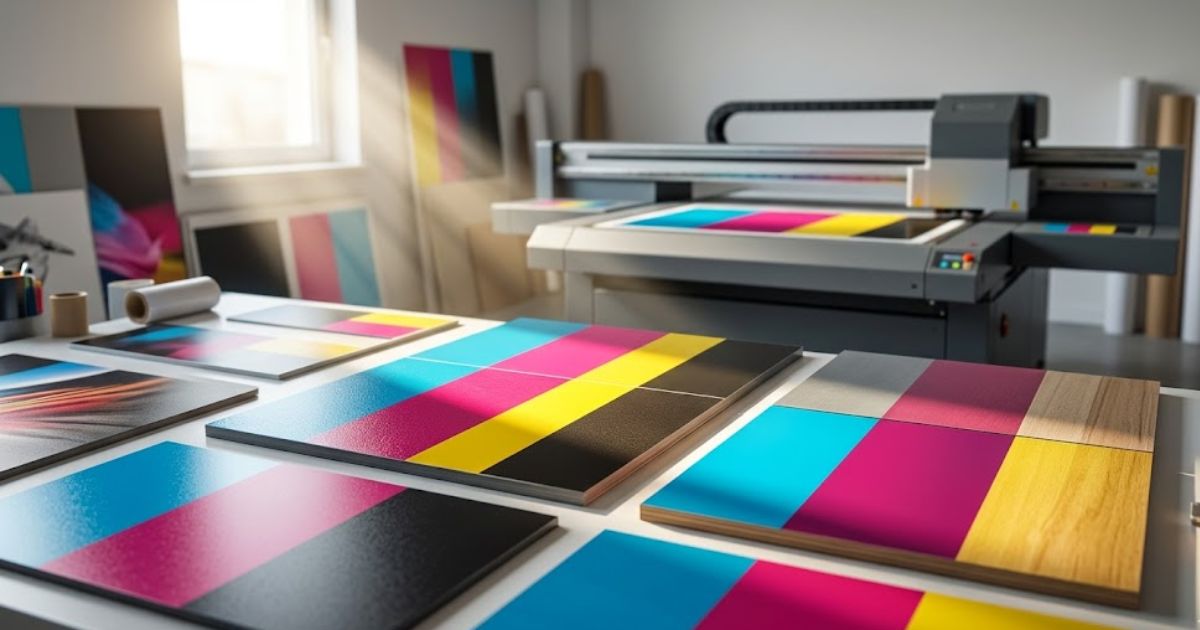
MTuTech production notes for UV printer ink
For buyers comparing UV printer ink options, the strongest ranking signal is not only the definition of the process. The page should also explain machine fit, production limits, material behavior, ink or fixture requirements, and the next page a buyer should read before requesting a quote.
Best machine fit
Use this guide together with UV Printer when the job requires stable UV output, repeatable setup, and production-ready print quality. If the work involves different shapes, materials, or order sizes, compare it with UV DTF Printer before choosing the final printer.
Production checklist
- Confirm the printable area, part height, and fixture or rotary requirements before quoting the job.
- Match ink, primer, and curing settings to the substrate so adhesion and scratch resistance are predictable.
- Standardize artwork preparation, white ink layers, and test prints before moving into batch production.
- Track production cost by ink use, setup time, rejects, and finishing steps instead of looking only at printer price.
Related MTuTech resources
FAQ
Which MTuTech printer should this article connect to? The best next page depends on the material, shape, and production volume. Flat products usually start with UV printer or UV Printer 9060 pages, while bottles, tumblers, and round products should connect to rotary, cylinder, tumbler, or cylindrical printer pages.
What should buyers check before ordering? Buyers should confirm print size, material compatibility, white ink needs, fixture design, curing performance, maintenance expectations, and whether the workflow supports repeatable production rather than one-off samples only.
Accelerated aging tests blast prints with intense UV light inside sealed environmental chambers. UV exposure simulation replicates five years of direct sunlight within weeks of controlled lab exposure. Environmental exposure testing combines humidity cycling and temperature swings alongside UV radiation exposure.
ASTM International publishes the exact protocols that manufacturers follow for consistent global testing. Chambers cycle temperatures from below freezing to above 50°C during single test runs. Outdoor UV printing durability claims only hold weight when backed by these specific protocols.
Abrasion Resistance Testing
Abrasion resistance testing measures exactly how many friction cycles a print surface withstands. Mechanical stress testing uses calibrated weighted pads rubbing across surfaces at controlled speeds. SGIA defines minimum acceptable cycle counts for prints used in commercial applications.
Test equipment counts cycles until any visible surface change appears under inspection light. We observed UV samples twice the required cycle count during a third party evaluation. That kind of performance gap explains why print shops choose UV for demanding product applications.
Chemical Resistance Testing
Chemical resistance printing standards expose prints to cleaning agents used in real environments. Industrial durability testing tests samples against alcohol, ammonia, and petroleum based solvents directly. ISO protocols specify exact concentration levels and contact times for valid comparison results.
Test samples sit submerged in chemical solutions for defined periods before visual inspection. Healthcare labels, food service signage, and industrial equipment markings all demand these tests. Properly cured UV ink handles cleaning chemicals without peeling.
Real Lifespan of UV Prints by Application
Realistic expectations protect both print buyers and service providers from disappointment later. UV print lifespan changes significantly depending on the installation environment and surface exposure. Indoor printing longevity always exceeds outdoor results because stress levels differ completely.
| Application | Environment | Lifespan |
| Indoor décor | Controlled lighting | 8–10 years |
| Retail displays | Store lighting | 5–7 years |
| Outdoor signage | Direct sunlight | 2–5 years |
| Vehicle graphics | High UV exposure | 2–4 years |
| Industrial labels | Chemical exposure | 3–6 years |
Outdoor print lifespan shortens under continuous direct sunlight and harsh weather conditions. We tracked prints installed at ten client locations over three years and confirmed these ranges. Laminated outdoor prints consistently landed at the higher end of each lifespan range. Matching expectations to real conditions prevents complaints and builds long term client trust.
What Factors Shorten UV Print Lifespan?
The same print can last two years in one location and eight years in another. Durability factors include sunlight intensity, substrate type, curing completeness, and environmental conditions. Understanding each factor helps printers and buyers make smarter decisions before installation.
UV ink adhesion weakens when substrates skip proper cleaning before printing begins. Environmental exposure accelerates color and surface degradation through combined moisture and heat stress. ASTM International accounts for all these variables when calculating expected lifespan ranges for testing.
Three factors control print durability more than any others combined:
- Complete UV curing during production eliminates soft spots that fail early
- Proper substrate preparation maximizes ink adhesion across the full print surface
- The environmental exposure level determines how quickly degradation accumulates over time
Protective coatings extend UV cured ink stability significantly in high stress outdoor installations. Undercured prints fail within months regardless of the ink brand or substrate quality chosen.
How to Make UV Prints Last Longer
Smart production habits directly extend how long finished prints stay vibrant and intact. Print durability optimization starts with substrate selection matched to the specific application environment. UV coating protection adds both physical and chemical barriers that delay surface degradation significantly.
UV ink maintenance keeps printer calibration and curing systems performing at consistent levels. Mimaki recommends specific maintenance intervals that prevent undercuring before it causes adhesion failures. We follow these schedules strictly and see measurably longer lasting results across all production runs.
Practical steps that extend print lifespan every time:
- Choose substrates rated for UV ink compatibility with your specific application
- Run adhesion tests on sample prints before committing to full production runs
- Apply protective lamination to all outdoor and high contact surface applications
- Calibrate your printer monthly to maintain correct ink deposit thickness levels
- Store finished prints away from sunlight before installation to prevent early exposure
These habits help fade resistant UV printing consistently reach its maximum rated lifespan.
Why UV Printing Leads in Digital Print Durability
Printing technology comparison data consistently places UV above competing digital methods. Industrial ink durability requirements push commercial buyers toward UV for demanding applications. UV vs solvent lifespan testing confirms UV outlasts solvent outputs in most real environments.
Solvent inks penetrate substrate fibers but break down faster under prolonged UV radiation. UV vs eco-solvent printing shows eco-solvent degrading sooner on smooth rigid substrates outdoors. Latex printing provides environmental benefits but lacks the scratch resistant hardness UV curing creates.
Roland DG and Canon both offer UV technology specifically because market demand for durability keeps growing. UV ink weather resistance outperforms latex alternatives in rain and high humidity exposure comparisons. Reduced replacement frequency makes UV a stronger long term investment for commercial print operations.
FAQs
How long do UV prints typically last?
UV print lifespan ranges from two to ten years depending on application and environment. Indoor installations last eight to ten years while outdoor signage averages two to five years.
Do UV prints fade in sunlight?
Fade resistant UV printing handles direct sunlight better than most competing digital print methods. Properly cured prints show minimal color shift even after years of continuous outdoor exposure.
Are UV prints waterproof?
UV ink weather resistance makes prints highly resistant to both rain and standing moisture. The hardened polymer layer seals pigments against water penetration under normal outdoor conditions.
Can UV printing be used on different materials?
UV printing bonds successfully to glass, acrylic, metal, wood, plastic, and ceramic surfaces. UV ink durability stays consistent across substrates when correct surface preparation steps are followed.
Are UV prints scratch resistant?
UV cured ink stability creates a hardened surface that resists scratching from keys and coins. We tested multiple samples under firm pressure without producing any visible surface damage.
Upgrade Your Printing Results with UV Technology
UV printing delivers measurable durability advantages across indoor and outdoor commercial applications. Our equipment specialists help businesses select the right UV solution for their specific production needs. At MTuTech Printers, our equipment specialists help businesses select the right UV solution for their specific production needs. Contact us today to discuss your requirements and explore professional UV printer options. Explore advanced UV printer solutions built for consistent, long lasting print results.