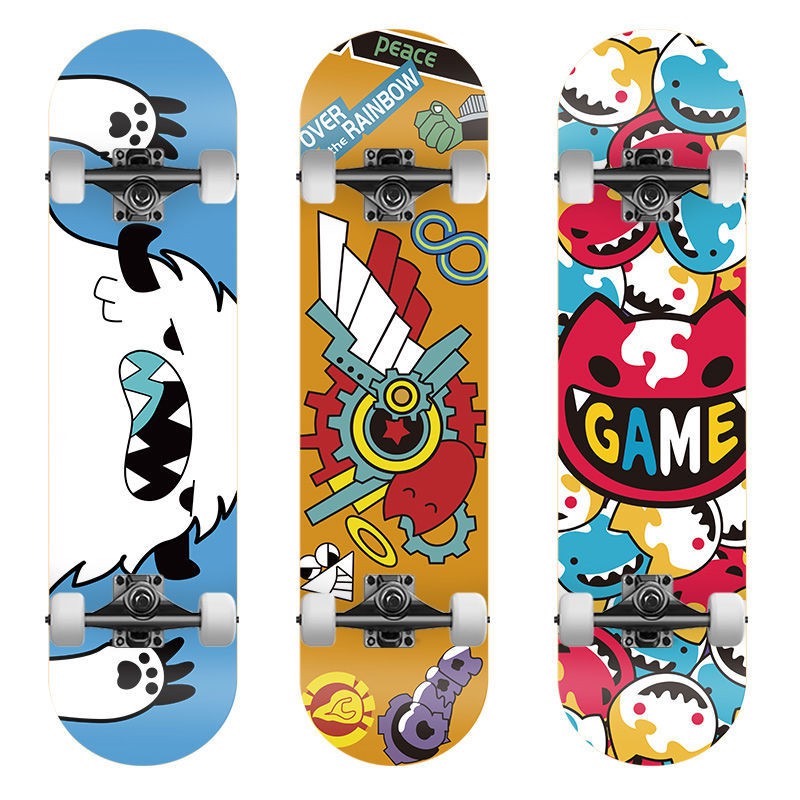
Small business printing equipment choices often feel overwhelming when you’re trying to maximize profit without bleeding cash on unused features. We’ve worked with dozens of startups who bought popular UV printer models only to realize they needed something different entirely. The real question isn’t which brand gets the most YouTube reviews. What matters is whether a flatbed UV printer fits your actual workspace, pays for itself within 18 months, and grows with your order volume. Commercial UV printing success depends on picking machines based on your floor space, monthly revenue targets, and whether you’re printing phone cases or signage. MTUTech …
An industrial UV printer stands apart through continuous operation and output stability, not price tags. We’ve worked with manufacturing production lines where duty cycle determines everything. Rigid substrates move through 24/7 without stopping. UV printing on metal surfaces, glass, or wood. Up time matters more than footprint size. Digital industrial printing transforms raw materials into finished products at scale. We track machines running 18 hour shifts in automotive plants. The UV curing technology works while parts keep moving. Industrial UV printers handle temperature swings and dust better than desktop units. Real manufacturing production lines demand this reliability over marketing promises. …
The printing architecture separates these two systems at the most basic level. Flatbed models use a stationary print bed where materials sit completely flat during the entire job. Roll to roll units rely on a media feed system that pulls substrate from one spool and winds it onto another. This continuous media printing approach handles flexible materials like vinyl or fabric without stopping. We’ve worked with both setups in high volume production environments and noticed the printhead carriage moves differently in each design. Direct to substrate printing happens on both machines but the mechanical workflow changes everything. Flatbed systems position …
UV flatbed printers and roll to roll UV printers handle different surfaces based on porosity, not just texture. Rigid materials like acrylic bond well because UV ink cures instantly on non porous materials without absorption. Flexible materials such as vinyl work when pre treated since raw surfaces repel uncured ink. Semi porous materials need primer coats to prevent ink from soaking too deep before the UV light hits it. We’ve tested dozens of substrates and learned that surface energy matters more than hardness. Specialty substrates like leather or wood print beautifully but require power adjustments to avoid scorching or under …
The customization economy has completely changed what buyers want today. People don’t want mass produced items anymore. They want products made just for them. We’ve watched the decline of bulk manufacturing accelerate over the past few years. Big factories that once dominated are losing ground fast. Demand fragmentation now rules the market. Customers expect unique designs delivered quickly to their doorstep. Short run production is no longer a luxury but a standard expectation. Traditional printing methods can’t keep up with these speed demands. Instant ink curing gives UV printing a massive edge here. The moment ink hits the surface, it’s …