
10 Profitable Applications of UV DTF Printing for Modern Print Businesses
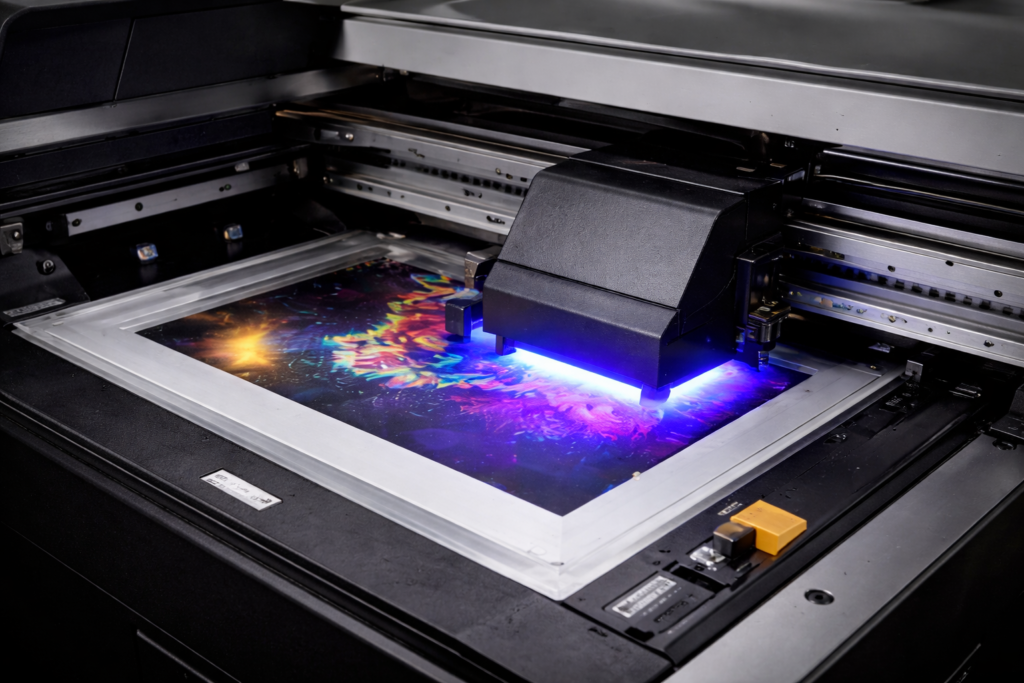
UV DTF printing is rapidly transforming the customization and digital printing industry. Unlike traditional printing methods that restrict businesses to specific materials or surfaces, UV DTF printing unlocks multi-surface personalization with premium durability and visual appeal.
From tumblers and bottles to signage, promotional gifts, industrial components, and branded merchandise, UV DTF enables print businesses to diversify offerings, increase margins, and scale faster.
In this in-depth guide, we’ll explore:
- What makes UV DTF printing so versatile
- Products you can print using UV DTF
- Industry-wise and business-wise applications
- Machine recommendations for each use case
- Profit potential and ROI opportunities
- How to choose the right UV printer configuration
If you’re considering expanding beyond garments—or planning a future-ready printing business—this guide is for you.
1. What Makes UV DTF Printing Ideal for Modern Customization?
UV DTF (UV Direct-to-Film) printing uses UV-curable inks printed on a special transfer film, which is later applied to the final substrate using heat and pressure. The instant curing provided by UV lamps makes prints:
- Highly durable
- Scratch-resistant
- Water-resistant
- Fade-resistant
- Suitable for indoor and outdoor use
Unlike regular DTF or sublimation, UV DTF does not depend on fabric fibers. This single advantage opens up a massive range of applications across rigid, semi-rigid, and curved surfaces.
Businesses using professional UV printers can produce premium prints without long drying cycles, making UV DTF perfect for both short runs and bulk production.
2. Key Advantages of UV DTF Across Applications
Before diving into product categories, let’s understand why UV DTF works so well across industries.
2.1 Multi-Surface Compatibility
UV DTF works on:
- Plastic
- Metal
- Glass
- Ceramic
- Acrylic
- Leather
- Wood
- Coated fabrics
2.2 Premium Finish
Prints have:
- Sharp edges
- Rich colors
- High opacity (including white ink layers)
2.3 No Surface Pre-Treatment Needed
Most UV DTF transfers do not require priming or coating.
2.4 Faster Turnaround
Instant UV curing eliminates drying delays.
2.5 Higher Per-Product Margins
Customized hard goods command higher prices than apparel.
3. UV DTF Printing for Tumblers, Bottles & Drinkware
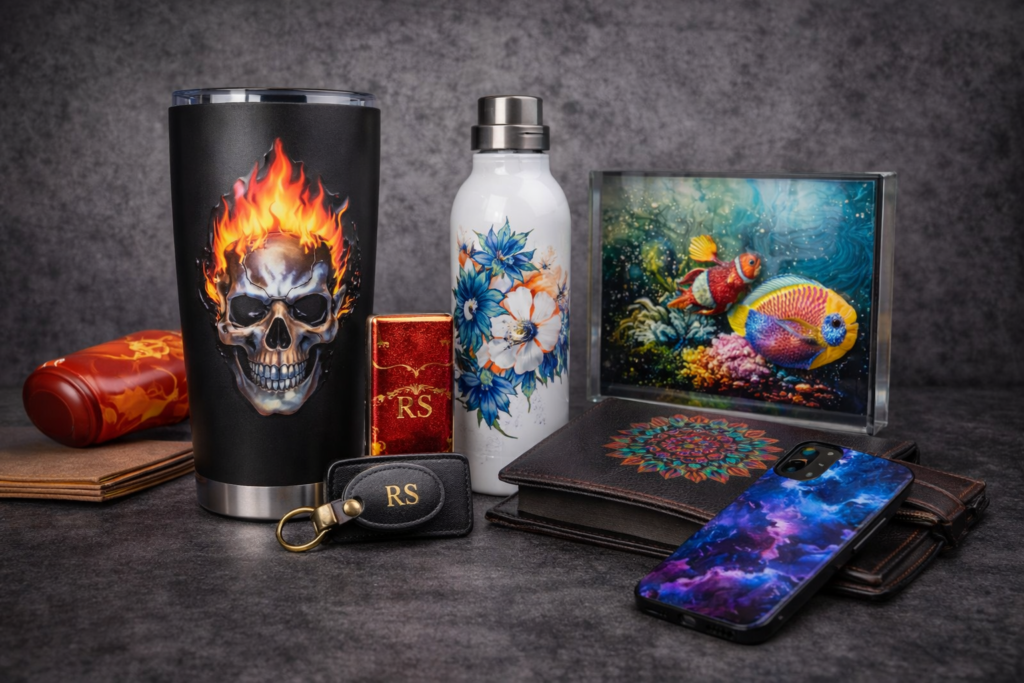
One of the most profitable UV DTF applications is drinkware printing.
Products You Can Print
- Stainless steel tumblers
- Water bottles
- Travel mugs
- Coffee mugs
- Flasks
- Sippers
UV DTF excels on curved objects, especially when paired with rotary mechanisms.
Recommended Machines
Why This Segment Is So Profitable
- Low raw material cost
- High perceived value
- Popular for gifting & corporate branding
- Ideal for bulk orders
A tumbler costing ₹200 can easily sell for ₹800–₹1,500 after UV DTF customization.
4. Promotional Gifts & Corporate Merchandise
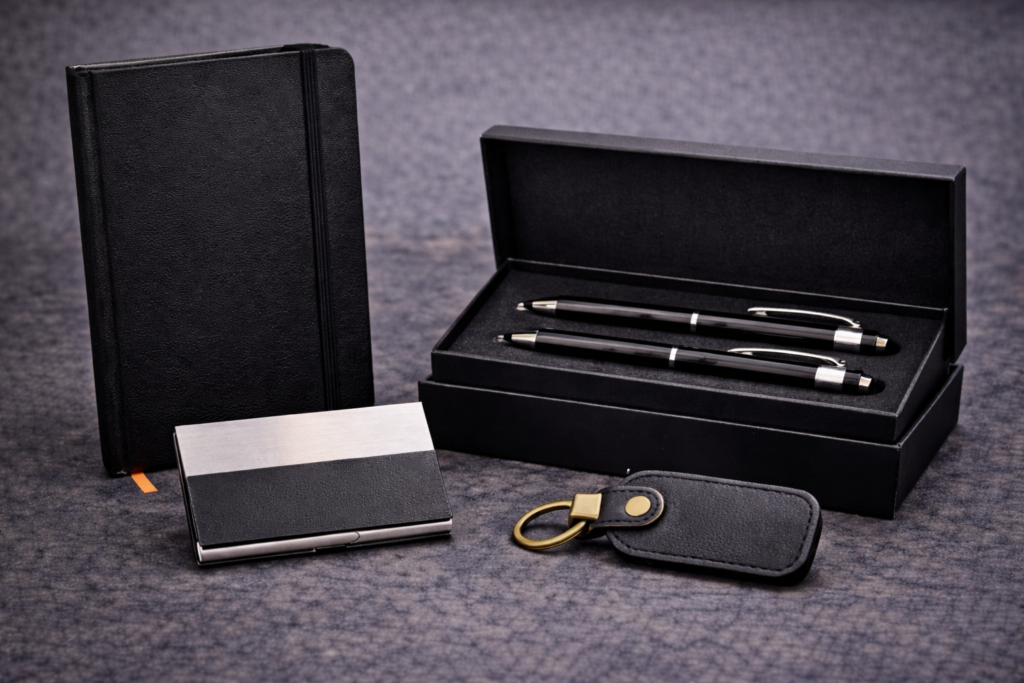
Corporate gifting is a recurring, high-volume market—and UV DTF fits perfectly.
Popular UV DTF Gift Products
- Keychains
- Diaries & notebooks
- Pen boxes
- Desk nameplates
- Trophy bases
- Gift hampers
- Corporate welcome kits
Why UV DTF Works Best
- Long-lasting branding
- Premium finish suitable for corporate standards
- Works on mixed materials in a single batch
Mid-range machines like the UV Printer 9060 are ideal for handling flat gift items efficiently.
5. Phone Covers, Laptop Skins & Accessories
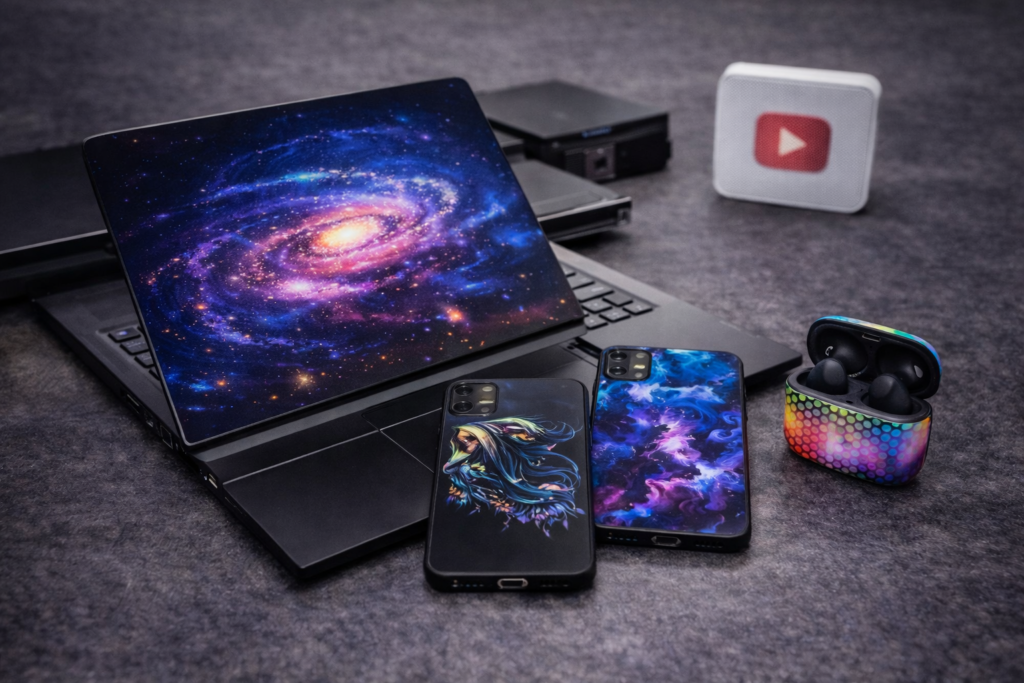
Personalized tech accessories are a high-demand consumer category.
Products You Can Print
- Mobile phone covers
- Laptop skins
- Tablet cases
- Power bank covers
- Earbud cases
Why UV DTF Is Perfect
- High scratch resistance
- No peeling or cracking
- Photo-realistic image quality
- Fast order fulfillment
A single UV DTF setup can support:
- Online stores
- Print-on-demand businesses
- Retail kiosks
6. Signage, Acrylic Boards & Branding Panels
MTuTech production notes for UV DTF printer
For buyers comparing UV DTF printer options, the strongest ranking signal is not only the definition of the process. The page should also explain machine fit, production limits, material behavior, ink or fixture requirements, and the next page a buyer should read before requesting a quote.
Best machine fit
Use this guide together with UV DTF Printer when the job requires stable UV output, repeatable setup, and production-ready print quality. If the work involves different shapes, materials, or order sizes, compare it with Applications before choosing the final printer.
Production checklist
- Confirm the printable area, part height, and fixture or rotary requirements before quoting the job.
- Match ink, primer, and curing settings to the substrate so adhesion and scratch resistance are predictable.
- Standardize artwork preparation, white ink layers, and test prints before moving into batch production.
- Track production cost by ink use, setup time, rejects, and finishing steps instead of looking only at printer price.
Related MTuTech resources
FAQ
Which MTuTech printer should this article connect to? The best next page depends on the material, shape, and production volume. Flat products usually start with UV printer or UV Printer 9060 pages, while bottles, tumblers, and round products should connect to rotary, cylinder, tumbler, or cylindrical printer pages.
What should buyers check before ordering? Buyers should confirm print size, material compatibility, white ink needs, fixture design, curing performance, maintenance expectations, and whether the workflow supports repeatable production rather than one-off samples only.
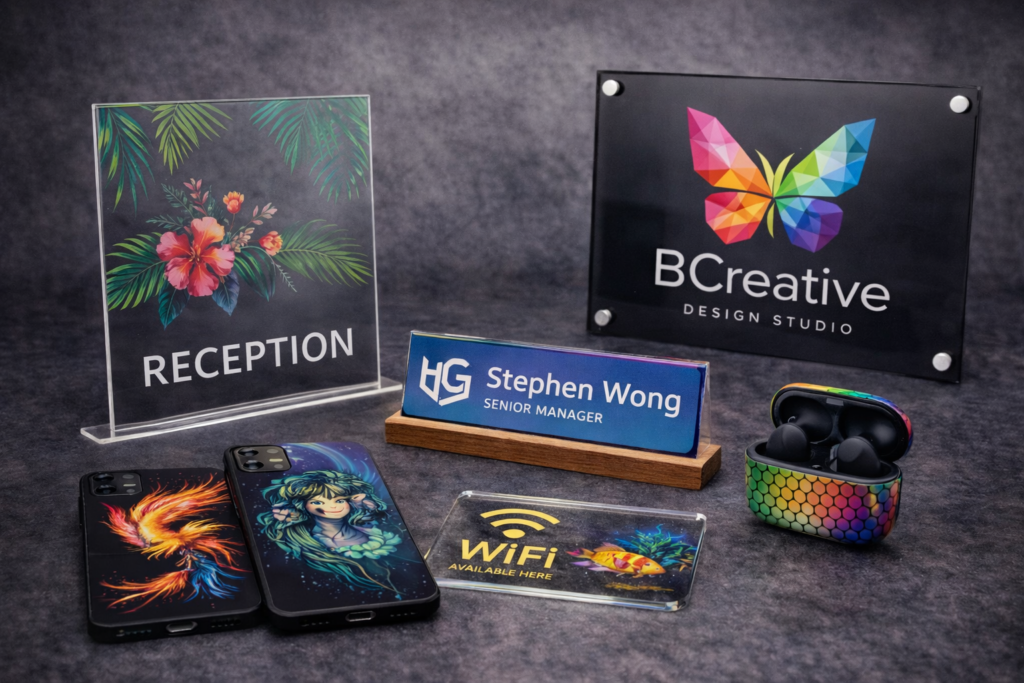
UV DTF is extensively used for commercial and retail signage.
Applications
- Acrylic sign boards
- Directional signage
- Nameplates
- Logo panels
- Safety signs
Recommended Solution
Hybrid UV printers allow:
- Flat rigid printing
- Roll material printing
- Mixed job handling
This makes them ideal for advertising agencies and signage businesses.
7. Industrial & Electrical Component Printing

UV DTF is not limited to aesthetics—it’s also used for functional industrial labeling.
Common Industrial Applications
- Electrical control panels
- Machine branding plates
- Warning & safety labels
- QR-coded asset tags
Why UV DTF Is Used
- Chemical resistance
- Long service life
- High legibility
- No fading in harsh environments
For precise alignment and irregular shapes, Visual Positioning UV Printers are commonly preferred.
8. UV DTF Printing for Leather & Lifestyle Products
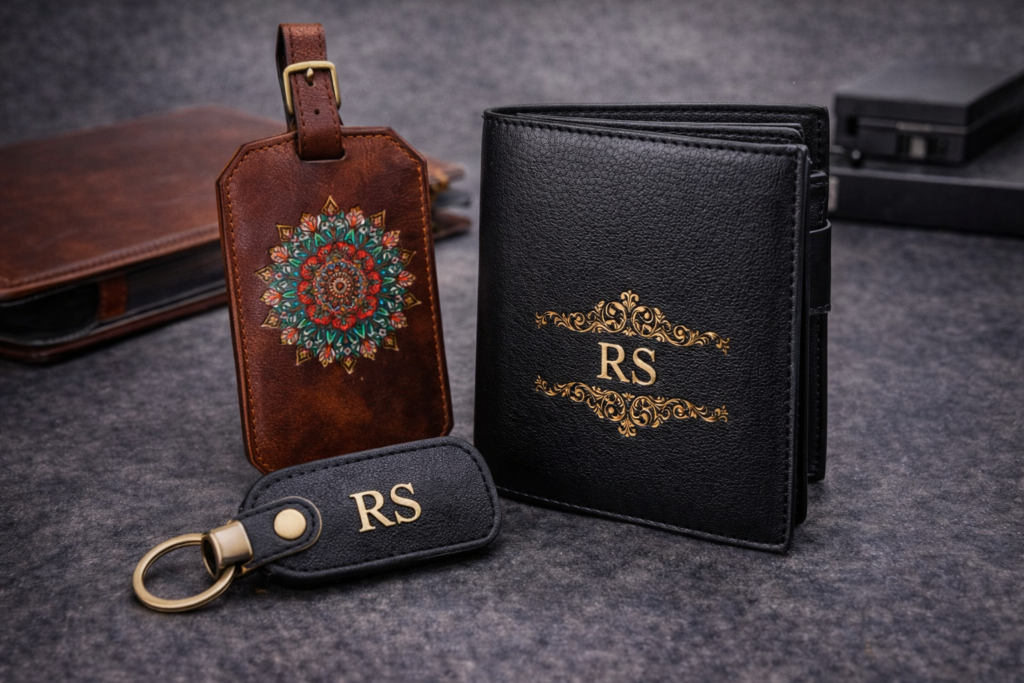
UV DTF works beautifully on coated leather surfaces.
Products
- Wallets
- Belts
- Handbags
- Passport covers
- Diaries
This opens opportunities in:
- Fashion accessories
- Premium gifting
- Boutique brands
9. UV DTF in the Home & Décor Market
Décor Products
- Photo frames
- Wall art panels
- Decorative tiles
- Customized plaques
UV DTF prints add a luxury finish suitable for interior décor businesses.
10. Comparison: UV DTF vs Other Printing Methods (Application-Wise)
| Application | UV DTF | Sublimation | Screen Printing |
|---|---|---|---|
| Tumblers | ✅ | ❌ | ❌ |
| Acrylic signage | ✅ | ❌ | ❌ |
| Phone covers | ✅ | ❌ | ⚠️ |
| Garments | ⚠️ | ✅ | ✅ |
| Industrial labels | ✅ | ❌ | ⚠️ |
UV DTF clearly dominates non-textile and premium applications.
11. Machine Selection Based on Application
| Application Type | Best Machine |
|---|---|
| Flat products | UV Printer |
| Small rigid items | UV Printer 9060 |
| Bottles & tumblers | 360 Rotary UV Printer |
| Cylindrical objects | Cylinder UV Printer |
| Mixed signage jobs | Hybrid UV Printer |
| Precision placement | Visual Positioning UV Printer |
This modular approach allows businesses to scale without replacing equipment.
12. Profit Potential & ROI with UV DTF
Why UV DTF Is a High-Margin Business
- Premium pricing
- Minimal wastage
- No minimum order quantity
- Faster production cycles
13. Common Mistakes Businesses Make with UV DTF
- Choosing wrong printer size
- Ignoring rotary requirements
- Underpricing premium products
- Poor substrate testing
- No niche focus
Avoiding these mistakes dramatically improves profitability.
14. Who Should Invest in UV DTF Printing?
UV DTF is ideal for:
- Print service providers
- Promotional gift companies
- Corporate branding agencies
- Industrial suppliers
- Custom merchandise startups
If your goal is diversification + premium output, UV DTF is a future-proof investment.
15. Why UV DTF Is the Future of Custom Printing
UV DTF printing bridges the gap between creativity and commercial scalability. It empowers businesses to move beyond garments and tap into high-value product categories with minimal operational complexity.
By combining:
- The right UV printer
- Proper accessories (rotary/cylinder)
- Strong product positioning
You can build a profitable, sustainable customization business.
Explore Professional UV Printing Solutions
- UV Printers: https://mtutechprinter.com/uv-printer/
- UV Printer 9060: https://mtutechprinter.com/uv-printer-9060/
- UV DTF Printer: https://mtutechprinter.com/uv-dtf-printer/
- 360 Rotary UV Printer: https://mtutechprinter.com/360-rotary-uv-printer/
- Cylinder UV Printer: https://mtutechprinter.com/cylinder-uv-printer/
- Production fit check for UV DTF applications
- Before choosing UV DTF for a product line, test the transfer on the exact surface the customer will use. Cosmetic bottles, rigid boxes, coated tins, acrylic tags, and textured promotional items can all accept transfers differently. A good production test should check edge lift, rubbing, gloss, hand feel, and how the transfer behaves after shipping or repeated handling.
- For repeat work, group applications by material and order size. UV DTF is strongest when it avoids difficult jig setup or supports short-run decoration on changing product shapes. For stable flat products in larger batches, compare the job against direct UV printing so the shop is not using transfer film where a flatbed workflow would be faster.
- How to choose the right UV DTF application
- The best UV DTF application is the one where the customer values a premium finish, fast turnaround, and flexible order quantity. For example, corporate gifting, cosmetics packaging, promotional drinkware, tech accessories, retail labels, and custom decor products are strong fits because buyers usually need sharp branding on surfaces that are not always easy to print directly. Before accepting a production order, the team should confirm three things: whether the surface is smooth enough for clean transfer, whether the adhesive layer bonds well after curing, and whether the finished product will face regular handling, washing, heat, or outdoor exposure.
- For a small print shop, UV DTF is especially useful when the order mix changes every day. It avoids the setup time of screen printing and gives better surface flexibility than direct flatbed printing for many curved or irregular products. For a factory, the main advantage is standardization: the same design file, curing process, and transfer method can be used across different SKUs with less fixture development. This is why UV DTF works best when it is treated as a controlled production process, not just a sticker solution. A good sample book, clear material notes, and repeatable curing settings help the printer quote confidently and reduce rework.
- The practical rule is simple: use UV DTF when the product needs a raised, glossy, durable brand mark on a hard surface and the order does not justify complex tooling. Use direct UV printing when the item can be held flat or rotated accurately and the design needs maximum control over placement. A business that offers both methods can serve more product categories while keeping quality consistent.
Commercial Buyer Notes for UV DTF printing applications
This topic matters because buyers exploring where UV DTF transfers make sense compared with direct UV printing. A post can rank for an informational keyword and still support a commercial page when it answers the practical questions a buyer asks before requesting a quote. For MTuTechPrinter.com, this article should guide readers toward the right production path instead of competing with the main product page.
The best audience for this page is sticker/label sellers, gift product businesses, packaging teams, and custom merchandise shops. These visitors are usually not looking for a basic definition only. They want to know whether the workflow fits their products, whether the machine can handle the job repeatedly, and what problems they should avoid before investing in equipment.
Best-fit buyer scenarios
- Hard-to-fixture items where buyers care about repeatability, realistic cost per job, and a production process that does not collapse once order volume increases.
- Logo transfers for gifts where buyers care about repeatability, realistic cost per job, and a production process that does not collapse once order volume increases.
- Short-run labels where buyers care about repeatability, realistic cost per job, and a production process that does not collapse once order volume increases.
- Decorating irregular shapes where buyers care about repeatability, realistic cost per job, and a production process that does not collapse once order volume increases.
Production checks before choosing a printer
- Film quality should be tested on the same materials, blanks, inks, and finishing conditions the shop will use for paid orders.
- Adhesive layer should be tested on the same materials, blanks, inks, and finishing conditions the shop will use for paid orders.
- Surface cleanliness should be tested on the same materials, blanks, inks, and finishing conditions the shop will use for paid orders.
- Transfer pressure should be tested on the same materials, blanks, inks, and finishing conditions the shop will use for paid orders.
- Edge durability should be tested on the same materials, blanks, inks, and finishing conditions the shop will use for paid orders.
How This Article Supports the Main Product Pages
The primary commercial path from this article should lead to UV DTF printer. Readers who are comparing related workflows can also review UV DTF applications, tumbler printer, printer comparison. This keeps the blog post useful as an educational asset while passing topical relevance to the commercial pages that should rank for buyer-intent terms.
For search engines, this creates a cleaner hierarchy: the blog post handles long-tail questions, application details, mistakes, workflow checks, and comparison language; the product page remains the main destination for machine specifications, inquiry intent, and conversion. That structure helps reduce keyword overlap and gives Google clearer signals about which page should own the commercial keyword.
Internal linking recommendation
When this article is referenced from future content, use natural anchors such as “UV DTF printing applications”, “commercial UV DTF printing applications workflow”, and “buyer guide for UV DTF printing applications”. Reserve exact commercial anchors for the product page, especially when building external guest posts or high-authority references.
Decision Table for Commercial Use
| Use case | Key check | Why it matters |
|---|---|---|
| hard-to-fixture items | film quality | Use this as a buying signal before choosing the final printer workflow. |
| logo transfers for gifts | adhesive layer | Use this as a buying signal before choosing the final printer workflow. |
| short-run labels | surface cleanliness | Use this as a buying signal before choosing the final printer workflow. |
| decorating irregular shapes | transfer pressure | Use this as a buying signal before choosing the final printer workflow. |
What Makes This Topic Easier to Rank
The easiest ranking angle is not to repeat broad product-page copy. The stronger approach is to answer specific buyer questions around setup, mistakes, material fit, cost control, workflow, and production risk. Those long-tail topics usually create impressions earlier than broad head terms, especially in the United States where buyers compare several suppliers before contacting a manufacturer.
This article should therefore be used as a support asset: keep the language practical, connect it to real production decisions, and link clearly to the right MTuTech Printer page. Over time, impressions from these long-tail phrases can help the site build topical authority and send more qualified visitors toward the pages that matter commercially.
Common Mistakes That Reduce ROI
One common mistake is judging a machine only by the sample print shown in a demo. A sample proves the printer can produce an attractive result once. A business needs repeatability across many jobs, blanks, operators, and customer artwork files. For UV DTF printing applications, that means the buyer should test the workflow under realistic shop conditions before assuming the same result will hold at production volume.
A second mistake is ignoring finishing, handling, and packaging. Many print problems appear after the print leaves the bed or fixture: scratches during packing, poor adhesion after cleaning, alignment drift across repeated items, or color mismatch when the same job is repeated later. These are not only technical issues; they affect refunds, customer satisfaction, and the confidence needed to sell higher-value jobs.
The final mistake is buying without a clear product plan. A printer is easier to profit from when the shop already knows the first 5 to 10 products it wants to sell. That product list should determine bed size, rotary needs, white ink use, fixture strategy, software workflow, and the kind of support expected from the supplier.
Simple pre-purchase checklist
- Choose three real products and test UV DTF printing applications on each one before scaling.
- Compare setup time, print time, curing quality, and post-print handling.
- Check whether the machine supports the exact material size and shape the business will sell.
- Confirm training, maintenance, spare parts, and workflow support before purchase.
- Keep one commercial page as the main quote path and use support articles to answer detailed questions.