
How does UV printing bond ink to metal surfaces?
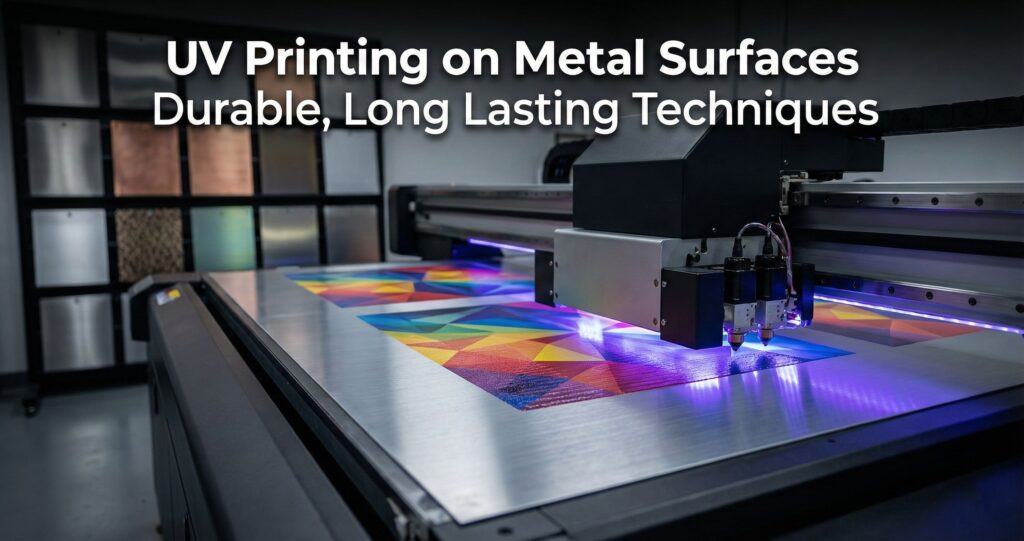
UV curing happens when UV LED lamps hit the UV ink instantly. Photo initiators inside the ink wake up fast under light. They grab onto the metal substrate and lock tight. We’ve tested hundreds of prints on steel and aluminum in our shop. The surface energy of metal makes bonding tricky without proper curing. Instant curing stops the ink from sliding off or smudging. Most printers struggle with weak ink adhesion because they skip this step. UV curing solves that problem in seconds.
How UV light triggers instant grip on metal
Light activates chemicals that glue ink down right away. The reaction creates a solid layer before you blink. We print on metal signs daily and never wait for drying. Traditional inks need heat or air time to stick. UV changes that by using pure light energy. Metal surfaces stay cool during the whole process. This keeps your material from warping or bending.
How chemical hardening boosts toughness
Photo polymerization turns liquid ink into tough plastic super fast. Tiny molecules link together and form cross linked polymers under UV exposure. This network adds serious abrasion resistance to your finished print. We’ve scratched test panels with keys and coins. The ink stays put because the polymer shield protects it. Outdoor metal signs last years without fading or peeling. The chemical bond is stronger than regular paint or stickers.
Which metal surfaces are compatible with UV printing?
Metal compatibility varies a lot based on surface type and coating. Aluminum works best because it holds ink without much prep. We’ve printed thousands of signs on different metals over the years. Stainless steel needs surface treatment before UV ink sticks properly. Brass tarnishes fast and changes how ink bonds to it. Copper conducts heat differently than other metals during printing. Choosing the wrong material wastes time and money on failed prints.
Is aluminum the best metal for UV printing?
Anodized aluminum grabs UV ink better than raw metal sheets. The tiny pores trap ink and lock it down tight. We print on coated aluminum for outdoor signs that last decades. Aluminum Dibond combines strength with a smooth printing surface. Raw aluminum needs cleaning before you start printing on it. Most shops pick aluminum because it never rusts or corrodes. The surface stays flat and doesn’t warp under UV lamps.
Can UV printing be applied to stainless steel, brass, and copper?
Stainless steel surface energy is lower than aluminum, so bonding takes extra work. We apply primers to steel before running it through the printer. Brass oxidation creates a film that blocks ink from sticking correctly. Polishing the surface helps but only for a short time. Copper conductivity doesn’t affect printing but the metal oxidizes super fast. You’ll need special prep steps for brass and copper jobs. Steel works fine with the right surface treatment applied first.
How should metal surfaces be prepared before UV printing?
Surface preparation stops adhesion failure before it ruins your print job. Skipping metal pre treatment causes ink to peel off within days or weeks. We’ve fixed hundreds of failed prints that didn’t prep correctly. Dirty metal blocks UV ink from bonding to the surface properly. Oil and dust create invisible barriers between ink and metal.
What cleaning methods improve UV ink adhesion on metal?
Isopropyl alcohol wipes away fingerprints and light oils in seconds. We use degreasing agents on factory metal that has heavy machine oil. Plasma treatment changes the metal surface at a molecular level for better grip. Wiping down metal sheets takes two minutes but saves entire print runs. Clean surfaces let UV ink bond tight without peeling later.
When are primers and adhesion promoters required for metal printing?
Adhesion promoters work best on smooth metal surfaces that reject ink naturally. We apply UV primers when printing on polished stainless steel or chrome finishes. Raw aluminum rarely needs primers if you clean it well first. Primers add an extra layer that grabs both metal and ink. Skip them on textured or anodized metals to save time and money.
Which UV inks perform best on metal surfaces?
UV ink formulations control how long your print survives outdoor weather and handling. Rigid inks crack when metal bends or flexes during shipping. Flexible inks stretch with the material but cost more per bottle. We’ve tested dozens of ink types on different metal jobs over time. Picking the wrong formula ruins prints before they reach your customer.
Hard UV inks vs flexible UV inks for metal durability
Hard UV ink stays put on flat signs that never bend or move. We use flexible UV ink on thin aluminum that bows during installation. Sheet metal movement cracks hard inks within weeks of outdoor exposure. Flexible formulas bend without breaking when metal expands in summer heat. Hard inks win on scratch resistance for indoor applications and displays. Match your ink type to how the metal gets used.
White UV ink underlayers for opacity on dark metals
White ink stops dark metal substrates from showing through bright colors on top. We print white first, then add color layers for full coverage. Ink opacity jumps when you use a white base coat underneath. Dark metals like black aluminum need double white layers for solid results. Skipping white makes your colors look faded and weak on steel.
What UV printing techniques increase long term durability on metal?
Multi pass printing builds up ink thickness layer by layer for stronger prints. Mechanical resistance jumps when you add extra ink layers on metal. We’ve watched single pass prints fade fast compared to multi layer jobs. Thin ink wears off metal faster when people touch or clean it. Building thickness protects your design from scratches and daily handling wear.
How multi pass printing improves color density on metal
Color saturation gets richer each time you run another print pass over metal. We use ink layering to make reds and blues pop on shiny surfaces. One pass looks washed out on polished aluminum or steel sheets. Three passes create deep colors that grab attention from across the room. Layering fills tiny gaps between ink dots for solid coverage.
How UV varnish and top coatings extend print lifespan
UV varnish acts like armor against rain, chemicals, and sunlight damage. We coat outdoor metal signs with protective coatings after printing finishes. Chemical resistance stops cleaners and solvents from eating through your design. Varnish shields the ink from UV rays that fade colors over time. Uncoated prints on metal lose brightness within months of outdoor exposure.
What causes UV prints to peel, crack, or fade on metal?
Print failure happens when machines run at wrong settings or skip steps. Adhesion loss starts invisible and shows up weeks after printing finishes. UV degradation eats away at unprotected ink exposed to sunlight daily. We’ve fixed hundreds of failed metal prints that looked fine at first. Most problems trace back to curing errors or weak lamp settings.
How under curing affects metal ink adhesion
Under curing leaves ink wet below the surface even when it feels dry. We check lamp power settings before every big metal print job runs. Weak cure depth means only the top layer hardens while staying soft. Ink peels off metal within days when curing doesn’t reach all layers. Testing cure strength saves you from scrapping entire batches of printed metal.
How incorrect lamp intensity reduces print durability
UV lamp intensity that’s too high cooks the ink and causes cracks. Too much heat exposure warps thin metal sheets during the printing process. Low intensity creates ink brittleness that shatters when metal flexes or bends. We adjust lamp strength based on metal thickness and ink type used. Wrong settings turn good ink into garbage that fails quality checks fast.
How long do UV prints last on metal surfaces?
UV prints on metal typically last 5 to 10 years depending on where you display them. Print lifespan changes based on sunlight and weather contact. We’ve tested dozens of metal prints across the United States in different settings. Outdoor exposure cuts the life down to about 3 years in most cases.
Indoor vs outdoor lifespan of UV metal prints
Indoor durability keeps prints looking fresh for 7 to 10 years without fading. Outdoor durability drops to 3 to 5 years when rain and sun hit daily. Environmental exposure plays a huge role in how fast colors fade. We noticed prints in covered porches last longer than ones facing direct sun. Heat and cold cycles crack the ink layers over time. Coastal areas with salt air damage print faster than dry climates.
UV resistance, moisture resistance, and abrasion ratings
UV resistance protects ink from breaking down under harsh sunlight every day. Moisture resistance stops water from peeling the print off the metal base. Abrasion testing shows how well the surface handles bumps and scratches. We check abrasion ratings before recommending prints for busy spots. High ratings mean your print survives everyday wear better.
Where is UV printing on metal commonly used?
Industrial printing dominates factories and machine shops across the United States. Branding products rely on metal prints because they survive years of handling. Architectural signage turns plain buildings into eye catching landmarks with permanent graphics.
Industrial control panels and nameplates
Control panels need labels that won’t rub off after thousands of button presses. We’ve printed compliance labels for equipment that runs 24/7 in hot warehouses. Industrial marking must stay readable through oil spills and chemical splashes. Factories demand prints that handle rough conditions without peeling or fading. Safety instructions can’t disappear when workers need them most.
Outdoor signage and architectural metal prints
Outdoor signage faces rain, snow, and blazing sun every single day. Weather exposure tests how tough your graphics really are over time. Building facades use metal prints for logos that last decades without repainting. We’ve installed signs on storefronts that still look sharp after five harsh winters. Metal handles temperature swings better than vinyl or plastic alternatives.
Custom metal branding and promotional products
Custom metal products give your brand a premium feel that plastic never matches. Promotional items like badges and plaques show quality when you hand them out. Brand durability matters because nobody remembers a gift that breaks right away. Metal keychains and awards sit on desks for years as constant reminders.
UV printing on metal vs engraving and screen printing
UV printing puts full color images on metal in minutes without any setup costs. Engraving cuts designs into the metal surface but only works in single colors. We’ve tested both methods on hundreds of projects across the United States. Screen printing requires separate screens for each color and takes longer to set up. Clients often pick UV when they need photos or gradients on their metal pieces. Engraved metal feels different under your fingers because it creates actual grooves. Screen printing works great for bulk orders with simple logos in one or two colors.
UV printing handles complex artwork that engraving and screen printing simply can’t reproduce well. We print detailed photographs on metal panels for building lobbies and retail displays. Engraving shines when you want a classy, permanent look that won’t fade ever. Screen printing costs less per piece when you’re making 500 identical signs or labels. UV prints cure instantly under lights so you skip the drying time completely. Engraved pieces never peel because the design lives in the metal itself. Screen printed metal needs careful handling during the curing process to avoid smudges.
Why choose our UV metal printing solutions?
Metal printing solutions need equipment that handles both speed and precision without breaking down. We run a Hybrid UV printer that works on flat metal sheets and curved surfaces alike. Most shops across the United States struggle with machines that only do one or the other. Our Industrial UV printer prints directly on aluminum, steel, and copper without any special coatings. Businesses waste money when their printer can’t switch between different metal types quickly. We’ve printed on everything from thin nameplates to thick architectural panels using the same setup.
Mtutech Printer technology powers our shop because it delivers consistent results on every single job. We print 500 control panels one day and custom signage the next without changing equipment. Your deadlines matter, so we keep backup parts ready to avoid any downtime. Metal shops need reliable UV metal printing solutions that don’t require constant technician visits. We tested cheaper printers before and watched them fail during big orders. That experience taught us to invest in quality machines that actually last through years of heavy use.
FAQs
Does UV ink fade on aluminum?
UV ink stays vibrant on aluminum for years. We use premium UV cured inks that resist fading. Our prints handle sunlight and weather without color loss. Most clients see great results for 5 plus years outdoors.
Can UV printing replace engraving on metal?
Yes, UV printing offers a smart alternative to engraving. We create detailed designs with full color options. It costs less than traditional engraving. Many businesses now choose UV printing for nameplates, awards, and signage.
Is UV printing suitable for outdoor metal signs?
UV printing works great for outdoor metal signs. Our UV inks bond tightly to metal surfaces. They resist rain, sun, and temperature changes. We recommend UV printing for durable outdoor business signs and displays.
Do UV metal prints require lamination?
Most UV metal prints do not need lamination. The cured ink creates a tough protective layer. We offer optional clear coats for extra durability. High traffic or harsh environments may benefit from added protection.
What thickness of metal can UV printers handle?
Our UV printers handle metal sheets up to 2 inches thick. We print on thin aluminum and heavy steel plates. Flatbed UV technology adjusts to various metal thicknesses easily. Contact us for custom thickness requirements.
Ready to produce durable prints on metal surfaces?
Metal printing solutions start with the right equipment and a team that knows metal behavior. We’ve helped businesses across the United States upgrade their UV printer systems to handle tougher projects. Mtutech Printer technology gives you the tools to print on metal without guessing. Your next big order deserves prints that survive harsh conditions for years. We walk you through setup, material selection, and maintenance based on real shop experience. Reach out when you’re ready to see what quality metal printing actually looks like.