
How Long Do UV Prints Last? Durability & Longevity Guide
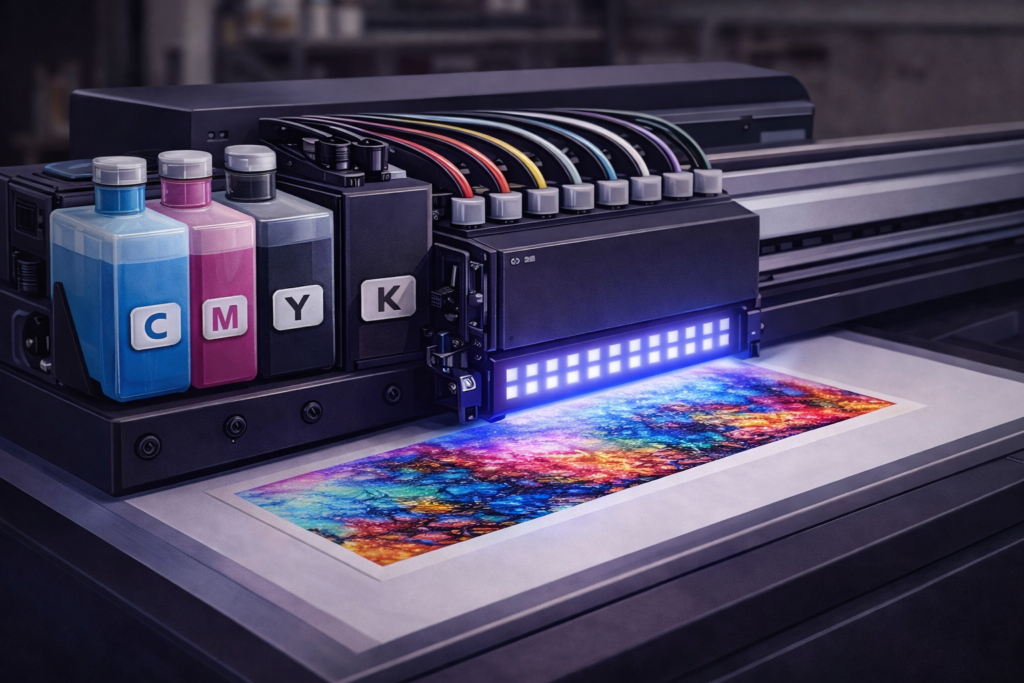
Learn how long UV prints last on different materials. Discover what makes UV printing so durable and tips to maximize the lifespan of your printed products.
Quick Answer: UV prints typically last 3-5 years outdoors and 7-10+ years indoors under normal conditions. With proper surface preparation and protective coatings, UV prints can remain vibrant for decades. The instant UV curing process creates a chemical bond that resists scratching, fading, water, and chemicals far better than traditional printing methods.
One of the most common questions about UV printing is how long the prints actually last. Whether you’re creating outdoor signage, custom drinkware, or promotional products, durability matters — both for customer satisfaction and your business reputation.
The good news? UV printing is one of the most durable printing technologies available. Here’s everything you need to know about UV print longevity.
UV Print Lifespan by Application
How long your UV prints last depends heavily on the application and environment:
| Application | Expected Lifespan | Notes |
| Indoor signage & displays | 7-10+ years | No UV exposure, minimal wear |
| Outdoor signage | 3-5 years | Sun, rain, temperature exposure |
| Custom drinkware (tumblers) | 2-5 years | Daily use, washing, handling |
| Phone cases | 2-4 years | Pocket friction, drops, handling |
| Awards & plaques | 10+ years | Display only, minimal handling |
| UV DTF transfers | 2-3+ years | Outdoors; indefinitely indoors |
Why UV Prints Are So Durable
UV printing durability comes from the unique curing process. Unlike traditional inks that air-dry or absorb into materials, UV inks undergo a chemical transformation:
- Instant curing: UV LED lights cure the ink in milliseconds, creating an immediate hard finish
- Chemical bonding: The photopolymerization process creates a chemical bond with the substrate surface
- No absorption: Ink stays on the surface rather than soaking in, maintaining color vibrancy
- Hard finish: Cured UV ink forms a tough, scratch-resistant layer
- UV-resistant pigments: Quality UV inks contain pigments that resist fading from sunlight
Does UV LED vs Mercury Lamp Affect Print Longevity?
Yes — the type of UV curing technology used plays a significant role in how long UV prints last.
UV LED curing systems provide more consistent and controlled curing compared to traditional mercury lamps. LED systems emit a stable wavelength and maintain consistent output over their lifespan, ensuring that inks cure evenly on every print. This consistency results in harder ink films, better surface bonding, and improved long-term durability.
Another key factor is heat output. UV LED systems operate at much lower temperatures than mercury lamps. Reduced heat stress improves ink adhesion on heat-sensitive substrates like plastics, acrylics, films, and thin materials. Better adhesion directly translates into longer-lasting prints with reduced risk of cracking, peeling, or edge lifting over time.
In contrast, mercury lamps degrade as they age, leading to inconsistent curing. As lamp output weakens, prints may become under-cured without obvious visual signs. Under-cured ink layers remain softer and are more prone to scratching, fading, and premature wear — especially in outdoor or high-use applications.
Modern UV LED printers deliver more consistent durability over time compared to mercury lamp systems, making them the preferred choice for businesses focused on long-term print quality and reliability.
UV Print Durability Properties
Scratch Resistance
Cured UV ink creates a hard surface layer that resists scratching far better than traditional printing. This makes UV printing ideal for products that experience regular handling like phone cases, keychains, and drinkware.
Water & Moisture Resistance
UV prints are inherently waterproof. The cured ink doesn’t dissolve or run when exposed to water, making it perfect for outdoor signs, drinkware, and bathroom applications. Tumblers and water bottles can handle daily washing without print degradation.
Fade Resistance
Quality UV inks contain UV-stabilized pigments that resist fading from sunlight. Indoor prints maintain color for a decade or more. Outdoor prints typically show minimal fading for 3-5 years depending on direct sun exposure.
Chemical Resistance
UV-cured inks resist common chemicals including cleaning products, alcohol, and mild solvents. This durability makes UV printing suitable for industrial labels, medical devices, and products that require regular sanitization.
Factors That Affect UV Print Longevity
Several factors influence how long your UV prints will last:
- Surface preparation: Clean, properly prepared surfaces create stronger ink adhesion
- Ink quality: Premium UV inks contain better pigments and more UV stabilizers
- Proper curing: Under-cured prints are softer and less durable
- Substrate material: Some materials bond better with UV ink than others
- Environmental exposure: Direct sunlight, extreme temperatures, and abrasion reduce lifespan
- Protective coatings: Varnish layers add extra protection and longevity
Real-World Example:
A UV printed acrylic signage panel installed outdoors in India showed minimal color fading after 4 years of continuous sun exposure. The print was produced using UV LED curing with a protective varnish layer. Despite heat, dust, and monsoon conditions, the graphics retained strong color saturation and adhesion — demonstrating the long-term durability of properly cured UV prints.
Tips to Maximize UV Print Durability
- Clean surfaces thoroughly: Remove dust, oils, and contaminants before printing with isopropyl alcohol
- Use primers when recommended: Glass, ceramics, and some metals benefit from pre-treatment for better adhesion
- Apply varnish layers: A clear varnish topcoat adds scratch resistance and UV protection
- Ensure proper curing: Verify UV lamp intensity and curing speed settings are correct
- Use quality inks: Don’t compromise on ink quality — premium inks last significantly longer
- Match ink to application: Use outdoor-rated inks for products exposed to sunlight
UV Printing vs Other Printing Methods: Durability Comparison
| Property | UV Printing | Screen Printing | Inkjet |
| Scratch Resistance | Excellent | Good | Poor |
| Water Resistance | Excellent | Good | Poor-Fair |
| Fade Resistance | Excellent | Good | Fair |
| Outdoor Lifespan | 3-5 years | 2-4 years | 6-12 months |
| Indoor Lifespan | 7-10+ years | 5-7 years | 2-3 years |
Built to Last
UV printing delivers exceptional durability that justifies premium pricing for custom products. When customers invest in personalized items, they expect them to last — and UV printing delivers on that promise.
Ready to create durable, long-lasting printed products? Explore our UV printer collection to find the right machine for your business.
Frequently Asked Questions
Are UV printed tumblers dishwasher safe?
Yes, UV prints on tumblers are generally dishwasher safe. However, for maximum longevity, hand washing is recommended. The high heat and harsh detergents in dishwashers can reduce print lifespan over time.
Will UV prints crack or peel?
Properly cured UV prints on prepared surfaces should not crack or peel under normal use. Cracking typically indicates under-curing or poor surface preparation. Quality UV prints flex with the substrate without separation.
How do UV prints handle extreme temperatures?
UV-cured inks are temperature stable and handle both hot and cold conditions well. They won’t melt in hot cars or crack in freezing weather. This makes UV printing ideal for outdoor signage and drinkware.
Can I extend UV print life with protective coatings?
Yes! Adding a clear varnish layer during printing significantly extends durability. Varnish provides extra scratch resistance and UV protection. Most UV printers support varnish as an additional ink channel.