
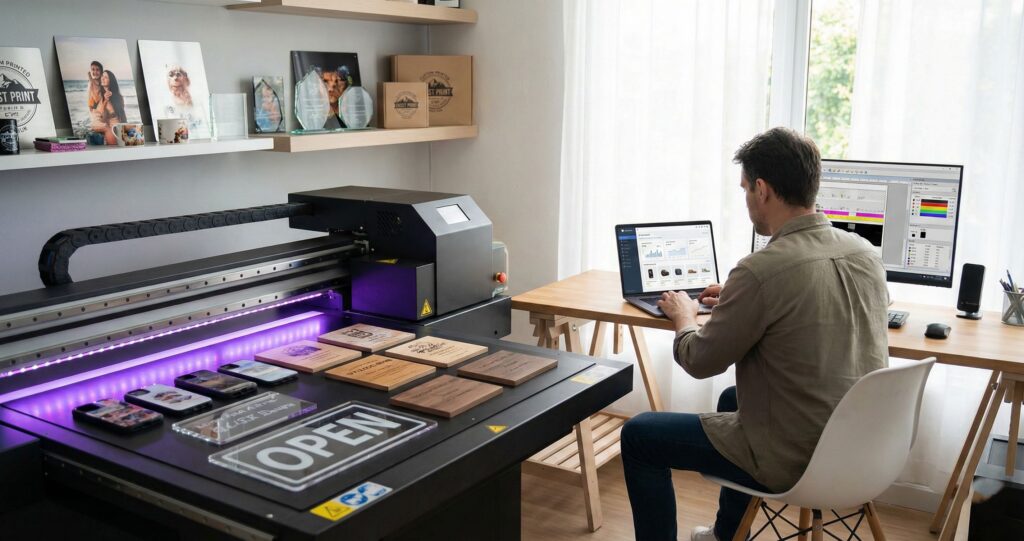
The customization economy has completely changed what buyers want today. People don’t want mass produced items anymore. They want products made just for them. We’ve watched the decline of bulk manufacturing accelerate over the past few years. Big factories that once dominated are losing ground fast. Demand fragmentation now rules the market. Customers expect unique designs delivered quickly to their doorstep. Short run production is no longer a luxury but a standard expectation. Traditional printing methods can’t keep up with these speed demands. Instant ink curing gives UV printing a massive edge here. The moment ink hits the surface, it’s dry and ready.
High margin manufacturing becomes possible when you serve niche markets efficiently. UV printing customization lets you produce small batches without losing money on setup costs. The rise of personalization creates countless micro markets hungry for custom products. We’ve helped clients tap into everything from personalized phone cases to custom promotional items. Each order might be small, but profit margins stay healthy. Market timing gives early adopters a serious advantage right now. Competitors still stuck with old methods can’t match your speed or variety. Your ability to print on almost any material opens endless revenue streams. This isn’t just another printing trend. It’s a fundamental shift in how manufacturing works today.
What Is UV Printing and How Does the Technology Work?
Materials Can UV Printers Print On
A flatbed UV printer can handle surfaces traditional printers won’t even touch. We’ve printed directly on acrylic sheets for retail displays that looked stunning. Glass panels work beautifully for custom awards and decorative pieces that sell fast. Aluminum composite boards become high end signage with crisp graphics and vibrant colors. Wood substrates transform into personalized gifts and home decor items people love. Even PVC and ABS plastic materials accept UV ink perfectly for product prototypes. Each material type opens a different product category for your business. UV ink chemistry bonds to these surfaces without any special coating required. We’ve watched clients expand from printing t-shirts to creating custom phone cases overnight. The digital printing process stays exactly the same regardless of what you’re printing on.
UV Curing Impacts Production Speed and Cost
Instant curing means your printed item is ready to pack immediately after printing. The UV LED curing system hardens ink the second it hits the surface. No drying time eliminates the waiting game that kills productivity in traditional printing. We’ve completed rush orders in hours that would’ve taken days before. Ink adhesion happens instantly, so smudging and quality issues drop to almost zero. Reduced labor cost comes naturally when workers don’t babysit drying racks all day. Faster order turnaround puts money in your account quicker than old methods. Your cost per unit drops because machine downtime practically disappears with this technology. We’ve helped businesses double their daily output without hiring extra staff or buying more equipment.
UV Printing Business vs Other Printing Businesses
Screen printing requires expensive screens made fresh for every single design change. We’ve watched print shops throw away hundreds of dollars in screens weekly. Setup time can eat up two hours before you even print your first item. DTF printing needs transfer paper and heat press steps that slow everything down. Sublimation printing only works on polyester fabrics and specially coated items. Your custom order flexibility takes a serious hit with these older methods. Waste rate climbs fast when you mess up a screen or ruin transfer sheets. We’ve tested all these methods and tracked the actual numbers carefully. Digital flatbed printing using UV technology skips these headaches completely.
Print jobs start within minutes because no screens or transfers need preparation first. Custom orders become profitable even when someone wants just one unique piece. UV printing business models handle single item orders at prices competitors can’t match profitably. We’ve compared the math on a hundred piece custom order across different methods. UV printing cuts our material waste down to almost nothing compared to screen printing. Jobs that took a full day now finish before lunch with the same team. Your profit per order jumps when waste drops and speed increases together.
Who Should Start a UV Printing Business?
Is UV Printing Suitable for Beginners?
Entry level UV printers now come with features that make learning much easier than before. RIP software handles color management and file prep automatically without technical headaches. We’ve trained complete beginners to run production jobs within their first week. Automated ink circulation keeps your machine ready without constant maintenance checks or cleanups. Small business owners jumping into printing find the learning curve surprisingly gentle. Most fear the technology will be too complex to master quickly. Modern machines remove that barrier with simple touchscreen controls and preset templates. Print on demand sellers switch from outsourcing to in house production faster than they expected.
Is UV Printing Better for B2B or eCommerce?
B2B service providers hit profitability faster because corporate gifting orders come in bulk sizes. Repeat orders from the same companies create predictable monthly revenue streams. We’ve seen businesses reach break even in under six months serving local companies. Wholesale pricing still leaves healthy margins when you control production costs yourself. eCommerce entrepreneurs build recognizable brands that scale nationally through online platforms. Custom product catalogs let you test dozens of items without inventory risk. Your cash flow stays tighter initially but grows exponentially once marketing clicks. Both paths work, but B2B service providers enjoy steadier income from day one.
How Much Does It Cost to Start a UV Printing Business?
UV Printer Cost Breakdown
Your startup capital needs depend heavily on what output capacity you actually need. A desktop UV printer runs between $3,000 and $8,000 for small custom orders. Flatbed UV printer models cost $15,000 to $40,000 and handle bigger production volumes. Industrial UV printer systems start around $60,000 but pump out thousands of items daily. We’ve helped clients pick machines based on their realistic monthly order goals. Capital expenditure (CapEx) looks scary until you match it to earning potential. Buying based on output capability rather than brand hype saves money from day one.
Ink, Consumables, and Maintenance Costs
UV ink cartridges typically cost $100 to $300 each depending on your machine model. White ink usage doubles your ink costs when printing on dark or clear materials. We’ve tracked true cost per print and found it ranges from 50 cents to $3 based on size and colors. Printhead maintenance kits run about $200 every six months if you follow cleaning schedules properly. Operating expenses (OpEx) stay predictable once you track a few months of actual production data.
Workspace, Ventilation, and Safety Costs
An air filtration system costs $500 to $2,000 but protects your health during long print runs. Basic ventilation setup might just need a window fan for home operations starting out. Commercial spaces need proper PPE equipment like gloves and safety glasses costing under $100 total. We’ve run UV printers successfully from garages and spare bedrooms with minimal safety upgrades.
Software and RIP Licensing Costs
RIP software handles color management and ensures prints match what customers actually ordered. Basic ICC profiles come free with most printers but premium options cost $200 to $500. Licensed software protects your profit by reducing reprints caused by color mismatches and file errors. We’ve seen businesses lose more money on bad prints than they’d spend on quality software.
How Do You Choose the Right UV Printer for Your Business Model?
Flatbed vs Desktop vs Hybrid UV Printers
Rigid media printing works best on flatbed models when you’re printing signage and awards. Desktop printers handle roll media printing like stickers and labels efficiently at lower volumes. We’ve watched businesses outgrow desktop models once production volume hits 50 orders weekly. Hybrid machines cost more upfront but save you from buying a second printer later. Your print size requirements determine which format actually makes financial sense for your orders.
Ink Configuration (CMYK, White, Varnish)
Basic CMYK ink configuration handles most jobs but limits your product possibilities significantly. A white ink layer underneath colors makes prints pop on dark or transparent surfaces. Varnish effects add glossy spots that make products feel premium without extra material costs. We’ve tested customer reactions and found varnish bumps perceived value by 40 percent easily. Texture printing creates raised effects customers love touching and sharing on social media instantly.
Print Area and Resolution Requirements
Wrong print bed size means turning away orders you could’ve easily handled and profited from. DPI resolution at 1440 delivers crisp detail for most commercial applications without slowing production down. We’ve lost potential clients because our early printer couldn’t fit their 24 inch sign requests. Choosing equipment based on your target order sizes prevents missing out on profitable opportunities later.
Where Can You Sell UV Printed Products?
Selling UV Products via eCommerce Stores
Shopify lets you build your brand identity without competing on someone else’s marketplace. WooCommerce gives you complete control over customer data and future marketing opportunities. We’ve seen businesses double their profit margins by owning their traffic instead of renting it. Your distribution strategy should include at least one owned platform for long term growth. Building brand equity takes time but protects you from platform fees eating profits forever.
Selling on Marketplaces (Etsy, Amazon Handmade)
Handmade marketplaces deliver ready made traffic but take 10 to 15 percent in fees. Sales channels like these get you quick sales without spending on advertising first. We’ve launched products on Etsy and gotten orders within 48 hours of listing them. Traffic leverage beats building an audience from zero when you’re just starting out completely.
Local B2B and Corporate Sales
Corporate branding needs drive steady demand for custom printed products year after year. Bulk orders from local businesses fill your production schedule with predictable weekly revenue. We’ve secured contracts with real estate agencies needing branded materials for every new listing. Recurring revenue from corporate clients keeps cash flowing even when consumer sales slow down.
Wholesale and Repeat Contracts
Wholesale pricing still profits when you’re printing 50 units instead of single custom orders. Long term contracts lock in monthly minimums that cover your base operating costs reliably. We’ve negotiated agreements where clients order the same products quarterly without any extra selling. Predictable cash flow lets you plan equipment upgrades and expansion with confidence instead of hope.
Why Choose UV Printing Over Other Custom Printing Methods?
Premium printing quality stays consistent whether you’re making one item or a thousand pieces. Material compatibility with UV technology opens revenue streams other printers can’t even touch practically. We’ve used our Mtutech Printer to create products on metal, leather, ceramic, and canvas. One machine handles phone cases on Monday and awards plaques on Tuesday without any issues. Other printing methods lock you into specific materials that limit your product catalog severely. UV printing eliminates the need to buy separate equipment for different surface types. We’ve tracked capability density and found one UV printer replaces three traditional machines easily.
Your competition using old methods can’t pivot to trending products as fast. When customers want something printed on unusual materials, you say yes while others decline. We’ve landed corporate contracts simply because we could print their logo on items competitors refused. Mtutech Printer technology keeps expanding what surfaces accept high quality graphics without special treatments. Multiple revenue streams flow from a single investment instead of buying specialized equipment constantly. Premium printing results justify higher prices that customers happily pay for unique custom products.
FAQs
Is a UV printing business profitable for small businesses?
Yes, UV printing offers strong profits for small businesses today. Most owners see 40 to 60 percent margins on custom products. Low startup costs make this home based business very attractive.
What is the average UV printing profit margin?
UV printing profit margins typically range from 50 to 70 percent. Custom phone cases and signs bring highest returns. Your break even time shortens when selling fast selling UV products like personalized gifts.
How long does it take to break even with a UV printer?
Most UV printing businesses break even within 3 to 6 months. This depends on your pricing and order volume. Home based business owners often recover costs faster with lower overhead.
Can you run a UV printing business from home?
Absolutely. A home based business works perfectly for UV printing startups. You need minimal space and equipment. Many owners earn full time income while keeping profit margin high and expenses low.
What UV printed products sell the fastest?
Fast selling UV products include phone cases, signs, and custom gifts. Personalized items for weddings and events move quickly too. These products offer excellent profit margin and short break even time for sellers.
Get Started with UV Printing
Get started with UV printing by choosing the right UV printer suppliers who support beginners properly. We’ve compared starter kits across the market and found Mtutech Printer includes everything needed immediately. Quality ink bundles come packaged with their machines instead of forcing separate expensive purchases later. Research which suppliers answer technical questions fast because you’ll need help during your first weeks. We’ve tested support response times and Mtutech Printer replies within hours not days. Calculate your total investment including supplies before committing to any equipment purchase decision. Most beginners underestimate how much ink their first month of orders will actually consume. Training resources matter just as much as the machine itself for long term success. We recommend starting with products you already understand selling before expanding into unfamiliar categories.